by Pigeon Patrol | Dec 7, 2020 | Bird Deterrent Products, Bird Netting, Bird Spikes, Pigeon Spikes, Pigeons in the News, Sparrows
Do Sparrow Cause Damage?
Damages Caused by Sparrows
- The sparrows are a host of some parasites and diseases. They are the source of dissemination of diseases like Chlamydiosis, Salmonellosis, Mycoplasma diseases, protozoal diseases and internal parasites like roundworms and tapeworms.
- Sparrows are recorded to possess bacterial pathogens which are common to humans like Salmonella and Escherichia coli. They serve as a reservoir host to transmit diseases to humans.
- They also host avian pox and avian malaria which spreads to the native birds.
- The sparrows are infested by a number of external parasites like mites, fleas or ticks.
- Localized damage to the grain fields can be done by sparrows as the feed in large numbers over a small area.
- Sparrows can damage the crops by feeding on seedlings, seeds, flowers and fruits.
- They interfere with the production of livestock especially poultry by contaminating their feed.
- Bird droppings can cause damage to the roofs as they are very acidic in nature. They may cause damage to the machinery like air conditioner equipment’s, industrial machinery and may pose a health risk to workers. They also pose dangerous health risks to workers.
- Bird droppings can ruin plastics, chemical, and liquids when they are being manufactured.
- They enter through broken or unsealed holes into the attics of houses, apartments, and buildings. They construct their nests in such places and ruin the whole area with their bodily wastes.
- Sparrow’s nests may cause blockage of the drainage systems along with damage to the roofs.
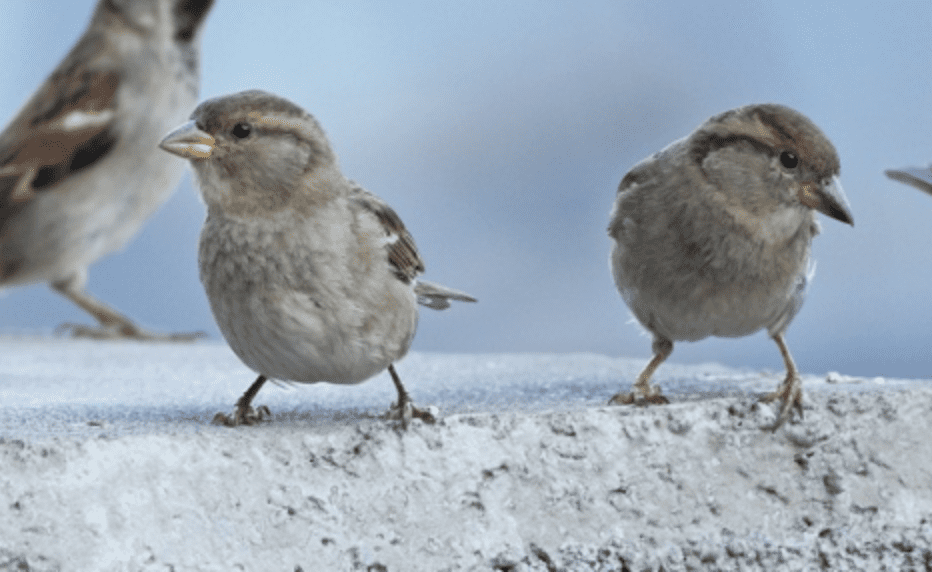
House sparrows consume grains in fields and in storage. Localized damage can be considerable since sparrows often feed in large numbers over a small area. Sparrows damage crops by pecking seeds, seedlings, buds, flowers, vegetables, and maturing fruits. They interfere with the production of livestock, particularly poultry, by consuming and contaminating feed.
Because they live in such close association with humans, they are a factor in the dissemination of diseases (chlamydiosis, coccidiosis, erysipeloid, Newcastle’s, parathypoid, pullorum, salmonellosis, transmissible gastroenteritis, tuberculosis, various encephalitis viruses, vibriosis, and yersinosis), internal parasites (acariasis, schistosomiasis, taeniasis, toxoplasmosis, and trichomoniasis), and household pests (bed bugs, carpet beetles, clothes moths, fleas, lice, mites, and ticks).
House sparrow droppings and feathers create janitorial problems, as well as hazardous, unsanitary, and odoriferous situations inside and outside of buildings and sidewalks under roosting areas.
Damage can also be caused by the pecking of rigid foam insulation inside buildings. The bulky, flammable nests of house sparrows are a potential fire hazard. The chattering of the flock on a roost is an annoyance to nearby human residents.
Habitat
The house sparrow is found in nearly every habitat except dense forests, alpine, and desert environments. Sparrows typically prefer human-altered habitats, particularly farm and grassy areas. It is the most common bird in most urban areas.
Food Habits
House sparrows are primarily granivorous. Plant materials (grain, fruit, seeds, and garden plants) make up 96% of the adult diet. The remainder consists of insects, earthworms, and other animal matter.
Garbage, bread crumbs, and refuse from fast-food restaurants can support sparrow populations in urban habitats.
About Pigeon Patrol:
Pigeon Patrol Products & Services is the leading manufacturer and distributor of bird deterrent (control) products in Canada. Pigeon Patrol products have solved pest bird problems in industrial, commercial, and residential settings since 2000, by using safe and humane bird deterrents with only bird and animal friendly solutions. At Pigeon Patrol, we manufacture and offer a variety of bird deterrents, ranging from Ultra-flex Bird Spikes with UV protection, Bird Netting, 4-S Gel and the best Ultrasonic and audible sound devices on the market today.
Contact us at 1- 877– 4– NO-BIRD, (604) 585-9279 or visit our website at www.pigeonpatrol.ca
Pigeon / Pigeon Patrol / Pigeons Roosting / Vancouver Pigeon Patrol / Bird Control / Surrey Pigeon Control / Pest / Vancouver Pigeon Blog / Birds Inside Home / Pigeons in the cities / Ice Pigeons/ What to do about pigeons/ most common types of sparrows , Damages Caused by Sparrows
by Pigeon Patrol | Nov 29, 2020 | 4-S Gel Bird repellent, Animal Deterrent Products, Bird Deterrent Products, Bird Netting, Pigeon Patrol's Services, Pigeon Spikes, Pigeons in the News, UltraSonic Bird Control
Ever heard of the bird flu? Keep on reading to find out more about what it is!
So what is the bird flu?
The Bird Flu also known as the Avian influenza refers to the disease caused by infection with avian (bird) influenza (flu) Type A viruses. These viruses occur naturally among wild aquatic birds worldwide and can infect domestic poultry and other bird and animal species
When was the bird flu?
The year 2005 has been dubbed ‘the year of bird flu’. Across the globe, the fear of avian influenza has caused government officials to place a higher priority on developing plans to deal with pandemic influenza. A survey published on 23 December 2005 by the World Health Organization (WHO) named avian influenza as the number one health concern. This heightened concern exists despite any evidence suggesting sustained human-to-human transmission of the potentially pandemic H5N1 strain of avian influenza virus. Experts have been closely monitoring occurrences of H5N1 since it first appeared in 1996 in the Chinese province of Guangdong.
The number of confirmed human H5N1 infections doubled in 2005. Of the 142 cases of human H5N1 influenza reported as of 30 December 2005, over half have been fatal. That statistic sparked a media frenzy that H5N1 may develop into the next pandemic strain of influenza. A serological survey published in the Journal of Infectious Disease by Bridges et al. (185, 1005–1010, 2002) showed that although the incidence of human H5N1 infection might be higher than previously thought, the mortality rate might be much lower. Up to 10% of 1,525 asymptomatic poultry workers had antibodies to the H5N1 virus. Most of these human cases are thought to have developed after contact with infected animals. Documented reports suggest that H5N1 can infect many bird species and mammals, in addition to humans. Although more serological studies in affected areas are needed, the 2002 study suggests the virus can infect humans without producing the extreme mortality commonly associated with the H5N1 strain. Yet the fear remains that mutation or reassortment of viral genomic segments with those of other endemic strains of influenza might result in a highly virulent human virus.
The WHO, the US Centers for Disease Control and Prevention and the United Nations Food and Agriculture Organization have established extensive surveillance and reporting programs for H5N1 influenza. The year 2005 witnessed an explosion of H5N1 outbreaks in poultry and migrating wild bird populations in Asia, spreading to Russia and eastern Europe. That dissemination occurred despite massive vaccine inoculation programs for poultry initiated by local governments in Asia and culling of infected bird flocks elsewhere. Although not yet reported, experts have expressed concern over the appearance of H5N1 in Africa, where surveillance and control measures are subject to regional conflicts, thereby heightening the risk that a highly transmissible human form of H5N1 virus might evolve. Thus, a race against time is now on to develop and generate effective human vaccines to prevent H5N1 infection and to produce sufficient amounts of antiviral drugs that might lessen disease severity. Therapies aimed at controlling innate immune responses should also be pursued, given the clinical evidence that H5N1 elicits ‘cytokine storms’ that can contribute to disease pathogenesis.
Is all the news dire? No. In fact, the present threat of pandemic influenza has spurred several encouraging steps. There seems to be greater accountability in disease surveillance by local health authorities, who supply critical field samples to international agencies that constitute the WHO Influenza Surveillance Network. The WHO has established several laboratories dedicated to analyzing new isolates of influenza virus, thereby providing much-needed standardized epidemiological information on viral samples obtained from geographically separate regions and monitoring how the virus is evolving from earlier isolates. Should a pandemic strain of human influenza arise, these laboratories can quickly identify the relevant ‘genomic fingerprint’ and advise vaccine manufacturers.
Another welcome consequence of the focus on avian influenza has been a resurgence of interest in vaccine manufacturing. Because which H5N1 influenza isolate will have the ‘right’ combination of mutations that allows it to spread quickly throughout human populations cannot be predicted in advance, vaccine manufacturers need to develop new means for rapid production of effective vaccines. At present, methods for the production of influenza vaccines require billions of chicken eggs, a resource that might be unavailable given the lethality of the virus in avian species. The use of reverse genetics in vaccine design as well as mass production using vaccine-certified cell lines hold the promise of streamlining production schedules and reducing potential bottlenecks based on the availability of eggs. The WHO and the US National Institutes of Health have several recombinant H5N1 prototype vaccine strains derived by reverse genetics from viral isolates from southeast Asia. Both agencies have provided these clones to licensed manufacturers for the development and testing of vaccines, some of which have already entered clinical trials. Governmental licensing agencies need to expedite their review process for vaccines produced by cell-based manufacturing methods. Sufficient incentives or collaborative partnerships must be extended to vaccine manufacturers to retool their production facilities so they can meet the global demand for viral vaccines.
Yet planning for the possibility of a future pandemic must also be done on the local level. As witnessed by the SARS outbreak in 2003, substantial economic consequences can result from the mere threat of a highly transmissible disease. It is imperative that local governments, businesses and other institutions develop and test contingency plans that can be deployed in their communities should a pandemic strain arise. Such contingency plans should be independent of vaccination programs (vaccination with the present viral formulations should be encouraged) or antiviral prophylaxis for exposed people, as no guarantee can be made that sufficient supplies of such agents would be available. These plans should include infection-control measures, identification of essential personnel and possible alternative work procedures (such as telecommuting), and a means of communication to rapidly disseminate critical information. All community members should be educated on the specifics of their plan and what to do in the event of such a health emergency. Such planning might avoid future revisionists from proclaiming 2006 as the year of bird flu. Source

The virus continued to kill chickens and to occasionally infect and sometimes kill people. But as the years passed, the number of human H5N1 cases subsided. There has not been a single H5N1 human infection detected since February 2017. This is the good news
About Pigeon Patrol:
Pigeon Patrol Products & Services is the leading manufacturer and distributor of bird deterrent (control) products in Canada. Pigeon Patrol products have solved pest bird problems in industrial, commercial, and residential settings since 2000, by using safe and humane bird deterrents with only bird and animal friendly solutions. At Pigeon Patrol, we manufacture and offer a variety of bird deterrents, ranging from Ultra-flex Bird Spikes with UV protection, Bird Netting, 4-S Gel and the best Ultrasonic and audible sound devices on the market today.
Contact us at 1- 877– 4– NO-BIRD, (604) 585-9279 or visit our website at www.pigeonpatrol.ca
Pigeon / Pigeon Patrol / Pigeons Roosting / Vancouver Pigeon Patrol / Bird Control / Surrey Pigeon Control / Pest / Vancouver Pigeon Blog / Birds Inside Home / Pigeons in the cities / Ice Pigeons
by Pigeon Patrol | Nov 23, 2020 | Bird Deterrent Products, Bird Netting, Pigeon Control, Pigeon Droppings, Pigeon Patrol's Services, Pigeons in the News
Ever heard of ice pigeons? No? keep on reading to find out what they are!
Ice Pigeons
The Ice pigeon is a breed of fancy pigeon developed over many years of selective breeding. Ice pigeons, along with other varieties of domesticated pigeons, are all descendants from the rock pigeon. In 1846, Charles Darwin is known to have crossbred the Ice pigeon in order to ascertain colour patterns.
it is one of the oldest of the German color pigeon breeds and was developed over many years of selective breeding.The breed is actually from the South Germany. And it was first developed in the region from eastern Germany to western Poland, with most early breeding in Saxony and Silesia.
Where Do They Live?
And it was first developed in the region from eastern Germany to western Poland, with most early breeding in Saxony and Silesia. The Ice pigeon and other varieties of domesticated pigeons, all are descendants from the wild or feral rock pigeon.
Appearance
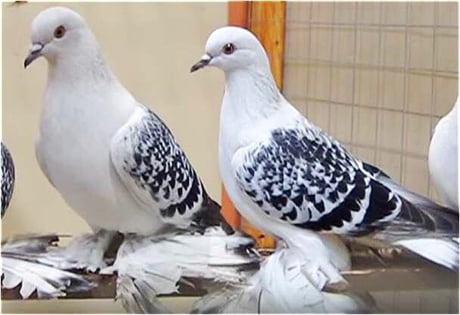
This pigeon is an average sized bird which is named and known for it’s ‘ice-blue’ coloration. It’s head is slightly oblong, and have smooth head.
It has several varieties, which are differing in the type and color of their wing pattern. But the basic color of these birds is a pale grey.
Eyes of these birds are of different color depending on the variety. The black barred and checked version has orange to yellow orange colored eyes. And all other varieties have black eyes.
| Ice Pigeon | Breed Profile |
| Breed Name |
Ice |
| Other Name |
Polish: Lazurek; German: Eistaube |
| Breed Purpose |
Exhibition, ornamental, pets |
| Special Notes |
Beautiful, calm and gentle in nature, good for ornamental purpose, good for exhibition, good for raising as pets |
| Breed Class |
Small to medium |
| Climate Tolerance |
All climates |
| Flying Ability |
Average |
| As Pets |
Good |
| Color |
Many |
| Rarity |
Common |
About Pigeon Patrol:
Pigeon Patrol Products & Services is the leading manufacturer and distributor of bird deterrent (control) products in Canada. Pigeon Patrol products have solved pest bird problems in industrial, commercial, and residential settings since 2000, by using safe and humane bird deterrents with only bird and animal friendly solutions. At Pigeon Patrol, we manufacture and offer a variety of bird deterrents, ranging from Ultra-flex Bird Spikes with UV protection, Bird Netting, 4-S Gel and the best Ultrasonic and audible sound devices on the market today.
Contact us at 1- 877– 4– NO-BIRD, (604) 585-9279 or visit our website at www.pigeonpatrol.ca
Pigeon / Pigeon Patrol / Pigeons Roosting / Vancouver Pigeon Patrol / Bird Control / Surrey Pigeon Control / Pest / Vancouver Pigeon Blog / Birds Inside Home / Pigeons in the cities / Ice Pigeons
by Pigeon Patrol | Nov 15, 2020 | Animal Deterrent Products, Bird Deterrent Products, Bird Law, Bird Netting, Bird Spikes, Columbidae, Doves, history of pigeons, Pigeon Control, Pigeon Droppings
Looking for more information about which birds are considered pests? Read on to learn more!
The Birds That Are Pests
There are six types of birds found in Canada can be classified as nuisance pests, which are the house sparrows, starlings, pigeons, woodpeckers, gulls, and Canada geese
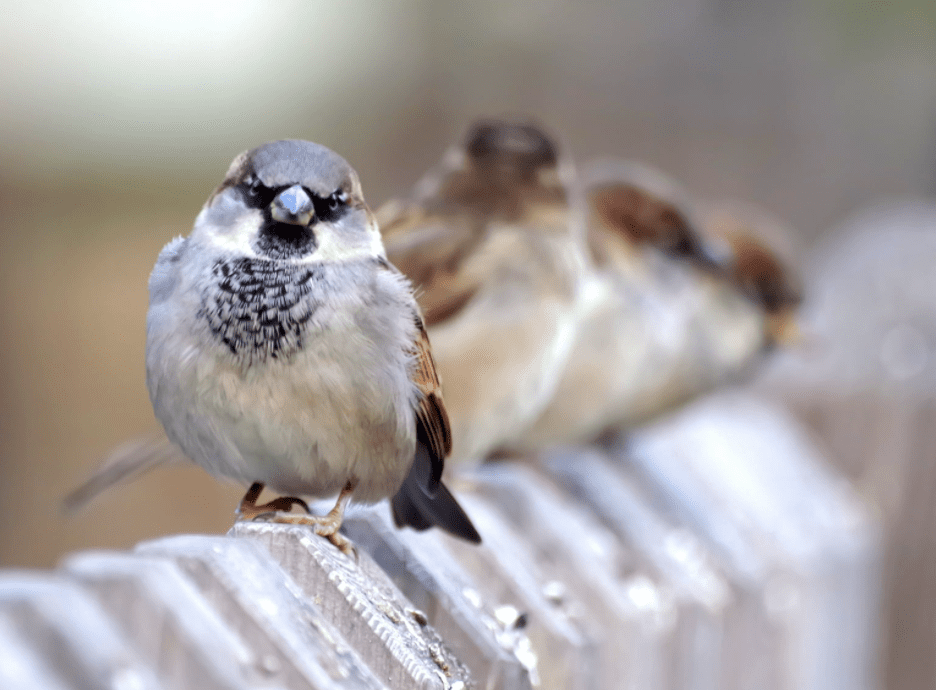
The house sparrow is a bird of the sparrow family Passeridae, found in most parts of the world. It is a small bird that has a typical length of 16 cm and a mass of 24–39.5 g. Females and young birds are coloured pale brown and grey, and males have brighter black, white, and brown markings
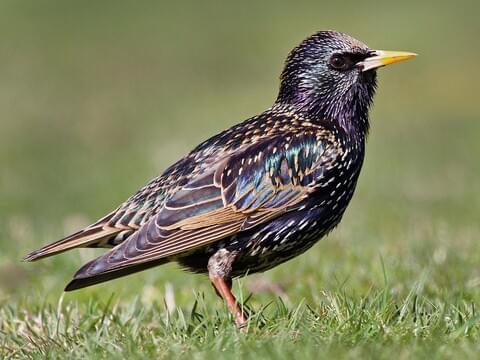
Starlings are small to medium-sized passerine birds in the family Sturnidae. The name “Sturnidae” comes from the Latin word for starling, sturnus. Many Asian species, particularly the larger ones, are called mynas, and many African species are known as glossy starlings because of their iridescent plumage
Pigeon
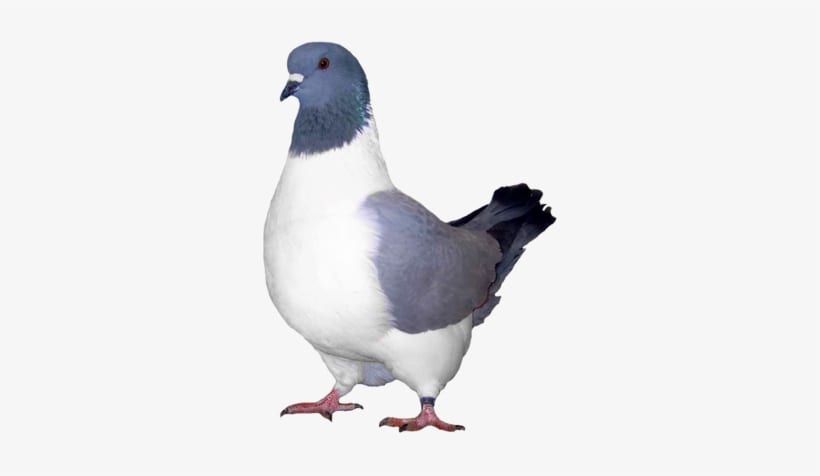
Next on the list is the Pigeon, Also known as the rock dove. Pigeons are known for causing diseases and damage due to their droppings. The droppings trigger human slips and falls as well as accelerating the aging of structures and statues.. Other pests that live on these birds are fleas, lice, mites, ticks and more. Pigeons vary in color but most of them are bluish gray with 2 black bands on the wing and black tip to the tail.
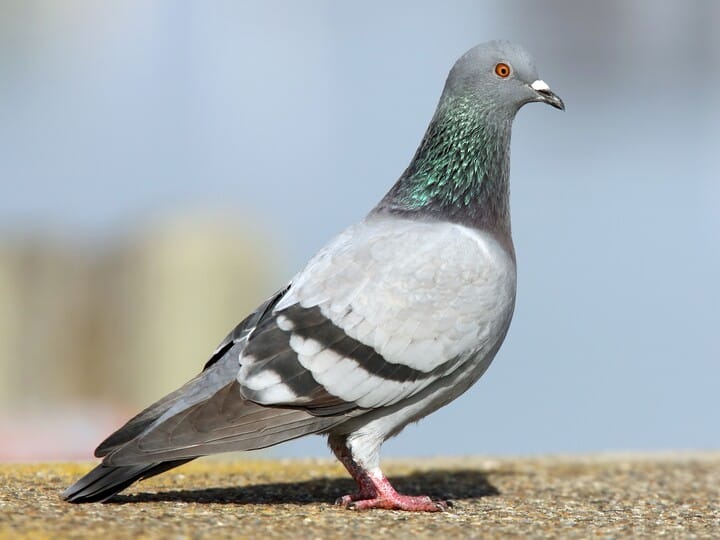 Source
Woodpeckers
Woodpeckers are part of the family Picidae, that also includes the piculets, wrynecks, and sapsuckers. Members of this family are found worldwide, except for Australia, New Guinea, New Zealand, Madagascar, and the extreme polar regions. A woodpecker will attack for many reasons. The attack can be for food, shelter or to attract a mate. The reasons for attack include finding insects for food, often carpenter bees, or for a nest cavity or roosting site, or for other social reasons.
Gulls
Gulls, or colloquially seagulls, are seabirds of the family Laridae in the suborder Lari. They are most closely related to the terns and only distantly related to auks, skimmers and even more distantly to waders
Canada Geese
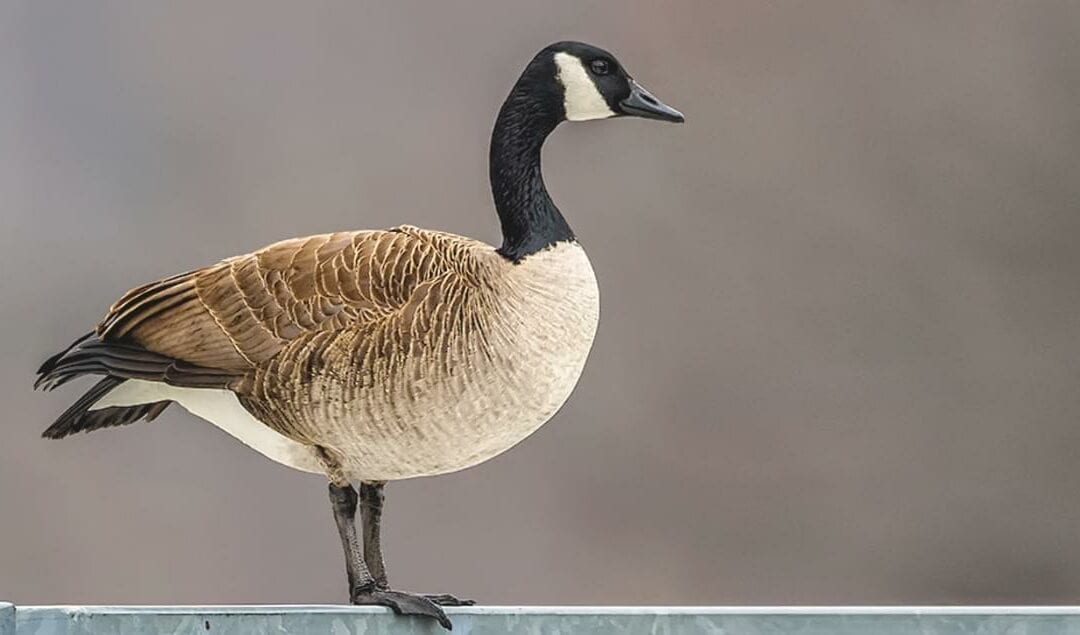
The Canada goose is a large wild goose species with a black head and neck, white cheeks, white under its chin, and a brown body. It is native to arctic and temperate regions of North America, and its migration occasionally reaches northern Europe
How to identify Birds
Canadian bird pests vary in length, overall size, and colouration. The smallest pest bird species, house sparrows are approximately 14 to 18 cm long with a wingspan of 19 to 25 cm. At the other end of the spectrum, Canada geese boast a wingspan as long as 182 cm and range from 90 to 120 cm in length. Some of the most common bird colourations include shades of grey, white, black, and brown. Pigeons, which rank as arguably the most colourful bird pest, may appear with streaks of light blue, green, lilac, peach, and various other shades.
Signs of an infestation
Birds are not exactly stealthy creatures, and infestations usually become evident with the increased presence of adult birds, the frequent occurrence of chirping and other noises, the sighting of nests, and an increased quantity of droppings in the area.
Birds Removal
Modifying the surrounding environment can aid property owners in ridding buildings of nuisance birds. Netting or spike strips can be strategically positioned to deter or prevent birds from landing and nesting. Noise devices, such as generators that mimic the sounds that natural predators make, work best in agricultural settings, while visual scare tactics are effective in the short term or when paired with other prevention and exclusion techniques. For particularly aggressive birds and those protected by the Migratory Bird Treaty Act, call a fully licensed pest control professional to take care of the problem legally and effectively.
How to prevent Birds from invading
Monitor water accumulating at likely nesting sites, fix any broken or deficient drainage systems, cover outdoor garbage containers tightly, eliminate any notable sources of food.
Habitat, Diet, and Life Cycle
Habitat
Many of the pest birds in Canada are migratory species which fly south when the temperatures approach the freezing point. Many pest birds have a widely distributed population and benefit greatly from the development of cities and the distribution of human populations. Some species construct nests and raise their young in elevated areas, while others nest on the ground. Birds generally prefer to live in the immediate vicinity of a water source but have no trouble flying reasonable distances to collect food. Most species adapt well to various surroundings.
Diet
Pest birds mainly eat fruits, seeds, grains, and insects. Many species live in close proximity to people and often feed on human food like bread, popcorn, peanuts, cake, discarded restaurant fare, and similar items. Much to the dismay of farmers, pest birds frequently target crops and livestock feed, as well. Gulls and Canada geese in particular maintain special dietary preferences. Gulls often feed on fish, rodents, and carrion, while the geese mostly consume plants like cattails, clover, and grass.
Life Cycle
Without exception, birds mate and rear their young in the spring and summer months. On average, pest birds produce one or two broods each year. House sparrows, however, can produce as many as five generations annually. Most birds require an incubation period of two weeks, though the eggs of both Canada geese and gulls require nearly a month of incubation. Newly hatched birds then leave the nest after an average of two to four weeks of preening. Depending on a variety of factors, nuisance birds typically live between 2 and 10 years.
Commonly Asked Questions
How worried should I be about birds?
Pest birds can carry parasites like fleas, mites, and ticks, and transmit diseases to humans and livestock. Pigeon excrement often contains the fungal diseases histoplasmosis and cryptococcosis, which are especially dangerous to people with compromised immune systems.
Many bird species are noisy and can damage buildings and equipment. Not only are pest bird droppings unsightly, they can stick to buildings, potentially eroding the structure.
Pest birds can also create drainage issues and fire hazards by nesting in the small crevices, drains, and gutters of buildings. Many bird species are also aggressive towards humans or native bird populations.
However, dealing with pest birds can be difficult, due to the Migratory Bird Treaty Act, which protects certain species from trapping and relocation practices. Any attempt to remove a pest bird must also comply with the Fish & Wildlife Act.
While netting, spike strips, noise devices, and visual scare tactics may be valid options, often only a professional, licensed pest control service can meet the regulatory standards required when it comes to removing and keeping away pest birds.
About Pigeon Patrol:
Pigeon Patrol Products & Services is the leading manufacturer and distributor of bird deterrent (control) products in Canada. Pigeon Patrol products have solved pest bird problems in industrial, commercial, and residential settings since 2000, by using safe and humane bird deterrents with only bird and animal friendly solutions. At Pigeon Patrol, we manufacture and offer a variety of bird deterrents, ranging from Ultra-flex Bird Spikes with UV protection, Bird Netting, 4-S Gel and the best Ultrasonic and audible sound devices on the market today.
Contact us at 1- 877– 4– NO-BIRD, (604) 585-9279 or visit our website at www.pigeonpatrol.ca
Bird Gone, Pigeon Gone, Seagull Gone, Pigeon problems, 1-877-4NO-BIRD, 4-S Gel, Bird Control, Pigeon Control, bird repellent,, sonic bird repellent, stainless steel , bird spikes Vancouver, Ultra Sonic Bird Control, Bird Netting, stop aggressive pet birds Canada bird deterrents, Pigeon Pests, B Gone Pigeon, Pigeon Patrol, pest controller, pest control operator, pest control technician, Pigeon Control Products, humane pigeon, pigeon deterrents, pigeon traps, Pigeon repellents, stop aggressive pet birds Sound & Laser Deterrents, wildlife control, raccoon, skunk, squirrel deterrent, De-Fence Spikes, Dragons Den, Canada bird spikes, Canada pigeon, pigeon control, pigeon patrol, pigeon. destroy pigeons, crow, starling, Pigeon Habitat, Pigeon identifications, pigeon myths, stop aggressive birds, stop aggressive pet birds
by Pigeon Patrol | Nov 2, 2020 | history of pigeons
Where Are They Found?
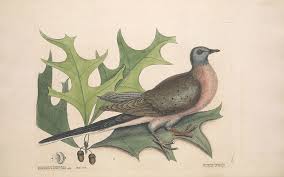
The history of these pigeons were originally found wild in Europe, North Africa, and Western Asia, pigeons have become established in cities around the world. The species is abundant, with an estimated population of 17 to 28 million feral and wild birds in Europe alone and up to 120 million worldwide. These birds were introduced into North America in the early 1600’s. Window ledges and tall buildings mimic the rocky cliffs originally inhabited by their ancient ancestors in Europe. The pigeon has a long history of association with humans, having been used for food and entertainment for over 5,000 years. Source
How Many Species Are There?
Pigeons live worldwide except in the coldest regions and the most remote islands. About 250 species are known; two-thirds of them occur in tropical Southeast Asia, Australia, and the islands of the western Pacific, but the family also has many members in Africa and South America and a few in temperate Eurasia and North America. All members of the family suck liquids, rather than sip and swallow as do other birds, and all pigeon parents feed their young “pigeon’s milk,” the sloughed-off lining of the crop, the production of which is stimulated by the hormone prolactin. The nestling obtains this “milk” by poking its bill down the parent’s throat.
Pigeons are gentle, plump, small-billed birds with a skin saddle (cere) between the bill and forehead. All pigeons strut about with a characteristic bobbing of the head. Because of their long wings and powerful flight muscles, they are strong, swift fliers. Pigeons are monogamous; i.e., they mate for life, and the survivor accepts a new mate only slowly. The female lays two glossy white eggs in a flimsy nest that barely holds them. The female generally incubates the eggs by night, the male by day. The incubation period is 14 to 19 days, but the young are cared for in the nest for another 12 to 18 days. Source
Contact Us For Any Questions!
(604) 585-9279
About Pigeon Patrol:
Pigeon Patrol Products & Services is the leading manufacturer and distributor of bird deterrent (control) products in Canada. Pigeon Patrol products have solved pest bird problems in industrial, commercial, and residential settings since 2000, by using safe and humane bird deterrents with only bird and animal friendly solutions. At Pigeon Patrol, we manufacture and offer a variety of bird deterrents, ranging from Ultra-flex Bird Spikes with UV protection, Bird Netting, 4-S Gel and the best Ultrasonic and audible sound devices on the market today.
Contact us at 1- 877– 4– NO-BIRD, (604) 585-9279 or visit our website at www.pigeonpatrol.ca
Bird Gone, Pigeon Gone, Seagull Gone, Pigeon problems, pigeon spikes, 1-877-4NO-BIRD, 4-S Gel, Bird Control, Pigeon Control, bird repellent, Bird Spikes, sonic bird repellent, stainless steel bird spikes, bird spikes Vancouver, Ultra Sonic Bird Control, Bird Netting, Plastic Bird Spikes, Canada bird spike deterrents, Pigeon Pests, B Gone Pigeon, Pigeon Patrol, pest controller, pest control operator, pest control technician, Pigeon Control Products, humane pigeon spikes, History of pigeons, pigeon deterrents, pigeon traps, Pigeon repellents, Sound & Laser Deterrents, wildlife control, raccoon, skunk, squirrel deterrent, De-Fence Spikes, Dragons Den, Canada bird spikes, Canada pigeon, pigeon control, pigeon patrol, pigeon. Kill pigeons, crow, starling, Pigeon Habitat, Pigeon identifications, Pigeon Spikes, Ultrasonic Pest Repellers
The post History of Pigeons appeared first on Pigeon Patrol Canada – Bird Control Products & Services.
Filed Under: Pigeon Patrol’s Services