by Pigeon Patrol | Nov 23, 2020 | Bird Deterrent Products, Bird Netting, Pigeon Control, Pigeon Droppings, Pigeon Patrol's Services, Pigeons in the News
Ever heard of ice pigeons? No? keep on reading to find out what they are!
Ice Pigeons
The Ice pigeon is a breed of fancy pigeon developed over many years of selective breeding. Ice pigeons, along with other varieties of domesticated pigeons, are all descendants from the rock pigeon. In 1846, Charles Darwin is known to have crossbred the Ice pigeon in order to ascertain colour patterns.
it is one of the oldest of the German color pigeon breeds and was developed over many years of selective breeding.The breed is actually from the South Germany. And it was first developed in the region from eastern Germany to western Poland, with most early breeding in Saxony and Silesia.
Where Do They Live?
And it was first developed in the region from eastern Germany to western Poland, with most early breeding in Saxony and Silesia. The Ice pigeon and other varieties of domesticated pigeons, all are descendants from the wild or feral rock pigeon.
Appearance
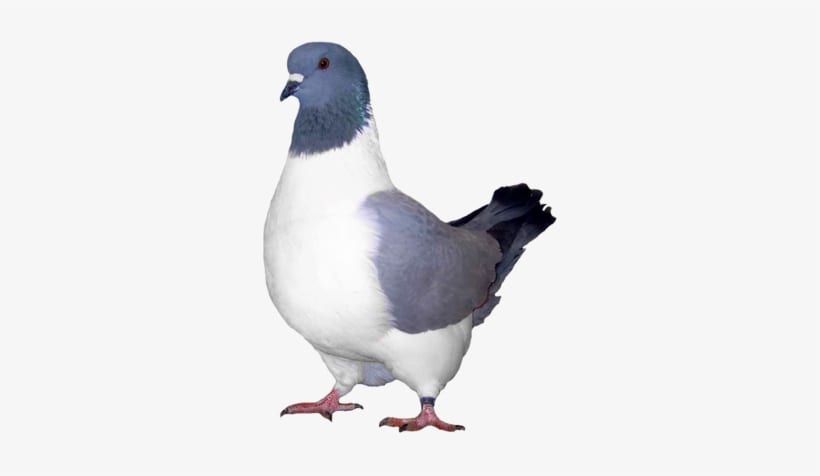
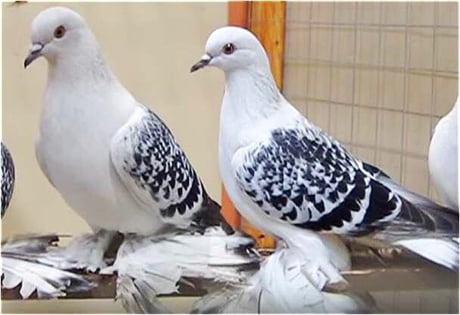
This pigeon is an average sized bird which is named and known for it’s ‘ice-blue’ coloration. It’s head is slightly oblong, and have smooth head.
It has several varieties, which are differing in the type and color of their wing pattern. But the basic color of these birds is a pale grey.
Eyes of these birds are of different color depending on the variety. The black barred and checked version has orange to yellow orange colored eyes. And all other varieties have black eyes.
| Ice Pigeon | Breed Profile |
| Breed Name |
Ice |
| Other Name |
Polish: Lazurek; German: Eistaube |
| Breed Purpose |
Exhibition, ornamental, pets |
| Special Notes |
Beautiful, calm and gentle in nature, good for ornamental purpose, good for exhibition, good for raising as pets |
| Breed Class |
Small to medium |
| Climate Tolerance |
All climates |
| Flying Ability |
Average |
| As Pets |
Good |
| Color |
Many |
| Rarity |
Common |
About Pigeon Patrol:
Pigeon Patrol Products & Services is the leading manufacturer and distributor of bird deterrent (control) products in Canada. Pigeon Patrol products have solved pest bird problems in industrial, commercial, and residential settings since 2000, by using safe and humane bird deterrents with only bird and animal friendly solutions. At Pigeon Patrol, we manufacture and offer a variety of bird deterrents, ranging from Ultra-flex Bird Spikes with UV protection, Bird Netting, 4-S Gel and the best Ultrasonic and audible sound devices on the market today.
Contact us at 1- 877– 4– NO-BIRD, (604) 585-9279 or visit our website at www.pigeonpatrol.ca
Pigeon / Pigeon Patrol / Pigeons Roosting / Vancouver Pigeon Patrol / Bird Control / Surrey Pigeon Control / Pest / Vancouver Pigeon Blog / Birds Inside Home / Pigeons in the cities / Ice Pigeons
by Pigeon Patrol | Nov 23, 2020 | Bird Netting, Pigeon Control, Pigeon Droppings, Pigeon Patrol's Services, Pigeon Spikes
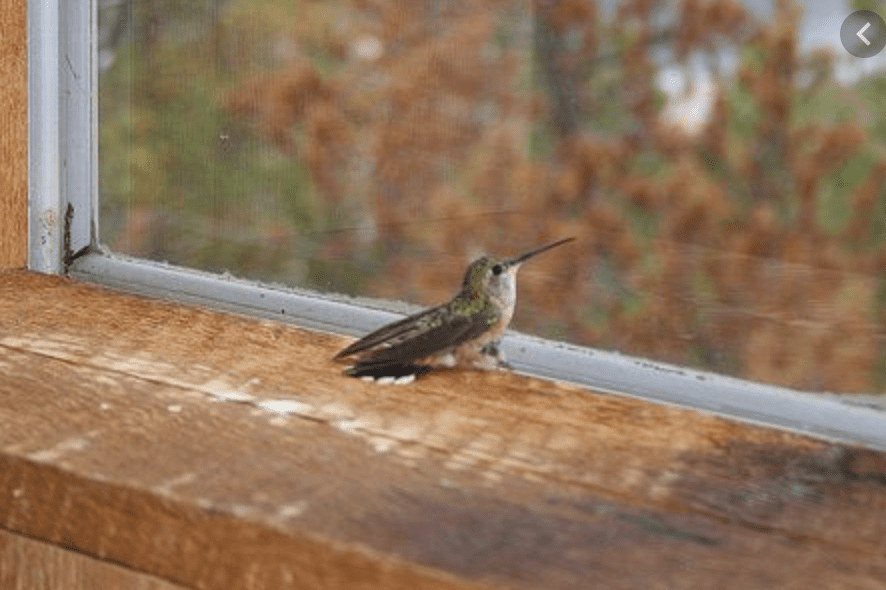
Outdoor spaces just aren’t the same without colorful, chirping birds that flutter and dance before our eyes. Unfortunately, birds have a troublesome habit of getting into indoor spaces that aren’t made for wild animals. The problem is especially acute during the cool season. If you’re dealing with bird problems in the home, you need to know what causes indoor bird infestations and what you can do about them.
Why Do Birds Come Inside?
Birds come inside for many different reasons. In some cases, indoor spaces mimic birds’ natural habitats or provide suitable, sheltered locations for the construction of nests or perches.
In other cases, carnivorous birds follow small animals like mice inside. With a steady supply of prey, they find it easier to remain inside than brave the uncertain outside world.
Even birds that don’t hunt indoor pests may be drawn to easily accessible food sources, including grains and seeds, inside the home.
How Do Birds Get Inside Your Home?
The chimney isn’t the only way that a bird can enter your house; exhaust vents and small holes in your roof are also prime targets. If you didn’t actually see the stray bird come out of your fireplace, check your attic to see if there are more of them living on your property. 3. Put screens on your windows and doors
Birds tend to spend more time indoors during the cool season. Some of the most common pest species inside Arizona homes include:
- House sparrows that can easily penetrate small holes and vents
- Woodpeckers that can easily break apart wooden structural elements to create nests or food sources
- Birds of prey that use sheltered areas as perches
How to Handle Birds Inside the Home Source
It can be overwhelming and even frightening to deal with birds inside the home. Fortunately, there are a number of proven strategies that can help mitigate the problem:
- Cut off carnivorous birds’ food sources by controlling indoor pests like mice and rats
- Install ventilation screens and other barriers to entry
- Patch holes and other “weak points” in your home’s siding, roof, foundation line and garage
- Put out a bird feeder to discourage food-seeking behavior inside the home
- Call a professional to handle stubborn infestations
Protect Your Home Against Birds in Vancouver B.C Call Pigeon Patrol
About Pigeon Patrol:
Pigeon Patrol Products & Services is the leading manufacturer and distributor of bird deterrent (control) products in Canada. Pigeon Patrol products have solved pest bird problems in industrial, commercial, and residential settings since 2000, by using safe and humane bird deterrents with only bird and animal friendly solutions. At Pigeon Patrol, we manufacture and offer a variety of bird deterrents, ranging from Ultra-flex Bird Spikes with UV protection, Bird Netting, 4-S Gel and the best Ultrasonic and audible sound devices on the market today.
Contact us at 1- 877– 4– NO-BIRD, (604) 585-9279 or visit our website at www.pigeonpatrol.ca
Pigeon / Pigeon Patrol / Pigeons Roosting / Vancouver Pigeon Patrol / Bird Control / Surrey Pigeon Control / Pest / Vancouver Pigeon Blog / Birds Inside Home
by Pigeon Patrol | Nov 23, 2020 | Bird Deterrent Products, Bird Netting, Pigeon Control, Pigeon Droppings, Pigeon Patrol's Services, Pigeon Spikes
Do you have pigeons roosting at your property? Not sure if they cause any harm or if you should get rid of them? Keep on reading to find out what pigeons may do to your property!
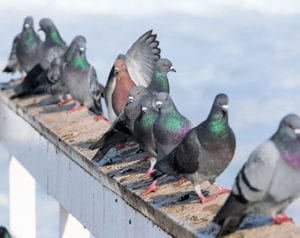
Pigeons may seem harmless, but these pest birds cause millions of dollars in damage every year to buildings, ventilation systems, machinery, statues, roofs, and much more. Bird droppings and nesting materials left by pigeons pose physical problems and health hazards that can become very serious if not corrected quickly making prompt and effective professional bird control is often essential.
Pigeons Roosting
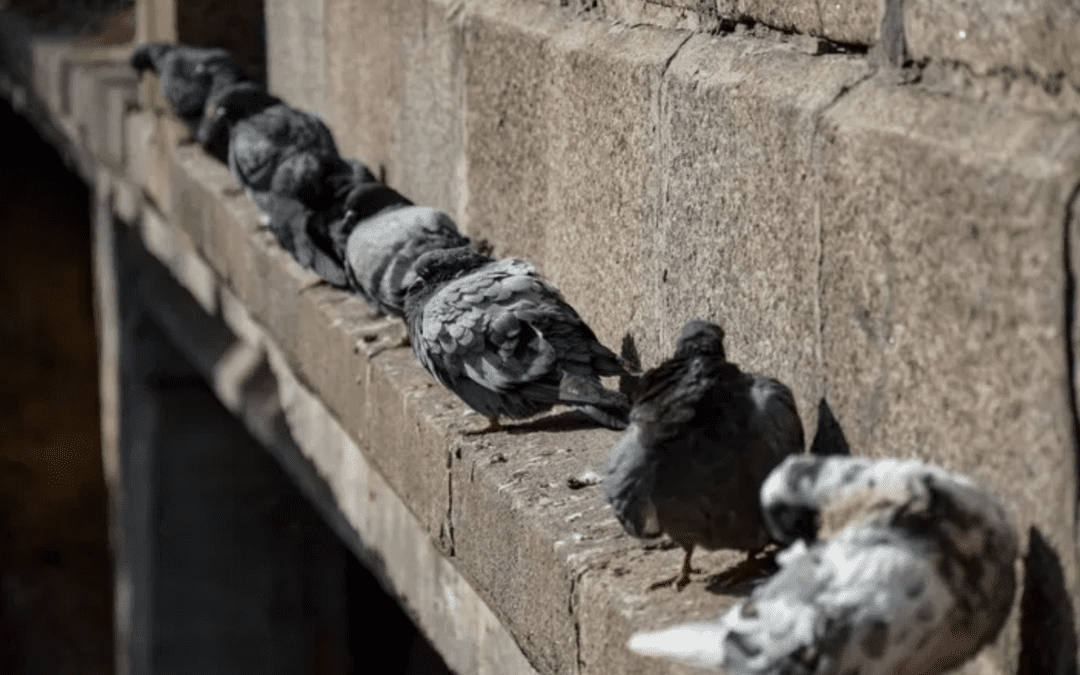
Pigeons find our window ledges, rooftops, bridges, and warehouses to be ideal substitutes for the natural ledges in cliff sides that they have always used as roosting, nesting, and sheltering sites. When flocks grow too large and become a nuisance, killing the birds is often the first plan of action.
Potential Health Hazards:
There are many health risks associated with pigeons and their droppings. The bacteria, fungi, and ectoparasites that they and their droppings harbor are numerous. The four most common ways disease is passed by bird to human are: inhalation of fecal dust, food and water contaminated with bird feces, direct contact with feces, and parasitic transfer.
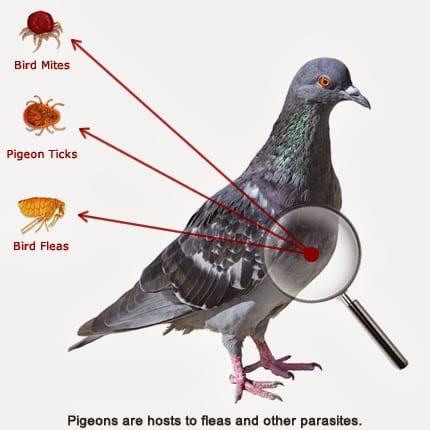
Pigeon droppings can expose humans to many diseases, including salmonella, Newcastle disease, candidiasis, encephalitis, orthosis, and toxoplasmosis. In addition, they can also carry cryptococcosis, and coccidiodomycosis, which cause meningitis. The droppings may also harbor growth of fungus, which causes histoplasmosis. Fleas, lice, mites, and other pests often live on these birds, hitching a ride to where ever they want to jump off. Pigeons may also attract other pests, such as rats, which feed on dead pigeons and food that well-intentioned bird lovers may scatter for them.
In addition to disease, bird droppings are known for triggering 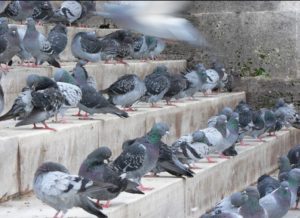 people to slip and fall, which makes it especially important to rid the birds from highly trafficked areas. Source
Damage Caused by Pigeons:
These are messy birds, leaving droppings everywhere they go, particularly near their roost sites. Pigeon droppings are not just gross, they are also full of uric acid which makes them extremely corrosive. The droppings are the direct cause of millions of dollars in damage to buildings and other structures. Particularly vulnerable are painted surfaces, awnings, signs, and other similar surfaces. A tragic example of the corrosiveness of pigeon droppings is the Minnesota bridge accident in 2007, which was found to be the direct result of bird droppings eating away at the metal bridge supports until they weakened.
In addition to the damage cause by their acidic droppings, pigeon nests can also cause damage. Pest birds will often build nests in gutters or on roof corners blocking essential drainage systems. Every year several warehouses experience roof damage, and even collapse, when drainage systems have been blocked and standing water rises just six inches. Bird nests can also block ventilation systems, which not only prevents exhaust of potentially harmful gases, but also has the potential to spread diseases. Fire is also a potential hazard. Nesting materials are usually flammable, consisting of twigs, straw, grasses and dried droppings. When pest birds build their nests inside electric signs or other machinery there is a great risk of fire.
Pigeons are creatures of habit and highly social. Once they have found a cozy spot the will return again and again, bringing along more of their pigeon pals. Prolific breeders, pigeons can hatch several broods a year, sometimes even laying a new clutch before the previous have even hatched. Often our buildings and structures have architectural features such as drain spouts and eaves that make perfect nesting spots for these birds. Pigeons are comfortable around humans and they’re hard to scare away or deter. Once a flock of stubborn unwanted pigeons have set up shop in/on your building, it can be stubbornly resistant to removal, often requiring the services of a pest control or animal control professional. As is true of many pests that invade our homes and businesses, the first step to controlling feral pigeons is to remove their food source.
Tips to deter pigeons:
- Don’t feed the pigeons.
- Screen drains and gutters to make your property less attractive to pigeons.
- Encourage children to pick up spilled food – and teach them NOT to feed pigeons
- Keep areas around trash bins and outdoor dining areas clean
- Eliminate water sources such as bird baths, over-watered lawns, or kiddy pools.
If you need help to prevent or eliminate pesky problem pigeons, please contact us!
Hope you learned more about why you should take action when pigeons are roosting on your property
About Pigeon Patrol:
Pigeon Patrol Products & Services is the leading manufacturer and distributor of bird deterrent (control) products in Canada. Pigeon Patrol products have solved pest bird problems in industrial, commercial, and residential settings since 2000, by using safe and humane bird deterrents with only bird and animal friendly solutions. At Pigeon Patrol, we manufacture and offer a variety of bird deterrents, ranging from Ultra-flex Bird Spikes with UV protection, Bird Netting, 4-S Gel and the best Ultrasonic and audible sound devices on the market today.
Contact us at 1- 877– 4– NO-BIRD, (604) 585-9279 or visit our website at www.pigeonpatrol.ca
Pigeon / Pigeon Patrol / Pigeons Roosting / Vancouver Pigeon Patrol / Bird Control / Surrey Pigeon Control / Pest / Vancouver Pigeon Blog /
by Pigeon Patrol | Nov 15, 2020 | Animal Deterrent Products, Bird Deterrent Products, Bird Law, Bird Netting, Bird Spikes, Columbidae, Doves, history of pigeons, Pigeon Control, Pigeon Droppings
Looking for more information about which birds are considered pests? Read on to learn more!
The Birds That Are Pests
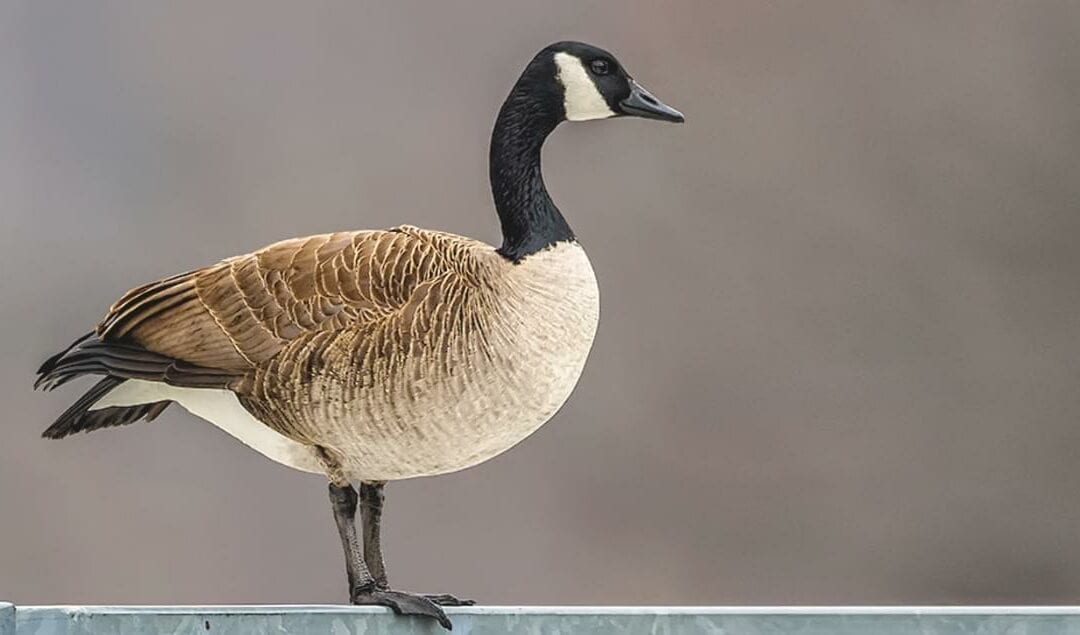
There are six types of birds found in Canada can be classified as nuisance pests, which are the house sparrows, starlings, pigeons, woodpeckers, gulls, and Canada geese
The house sparrow is a bird of the sparrow family Passeridae, found in most parts of the world. It is a small bird that has a typical length of 16 cm and a mass of 24–39.5 g. Females and young birds are coloured pale brown and grey, and males have brighter black, white, and brown markings
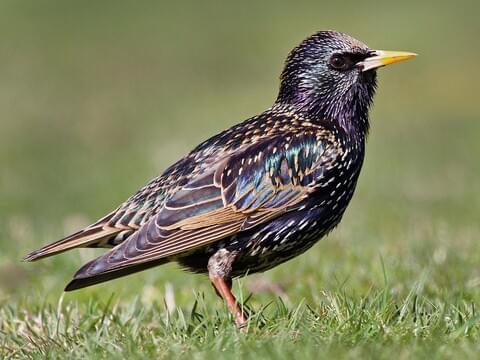
Starlings are small to medium-sized passerine birds in the family Sturnidae. The name “Sturnidae” comes from the Latin word for starling, sturnus. Many Asian species, particularly the larger ones, are called mynas, and many African species are known as glossy starlings because of their iridescent plumage
Pigeon
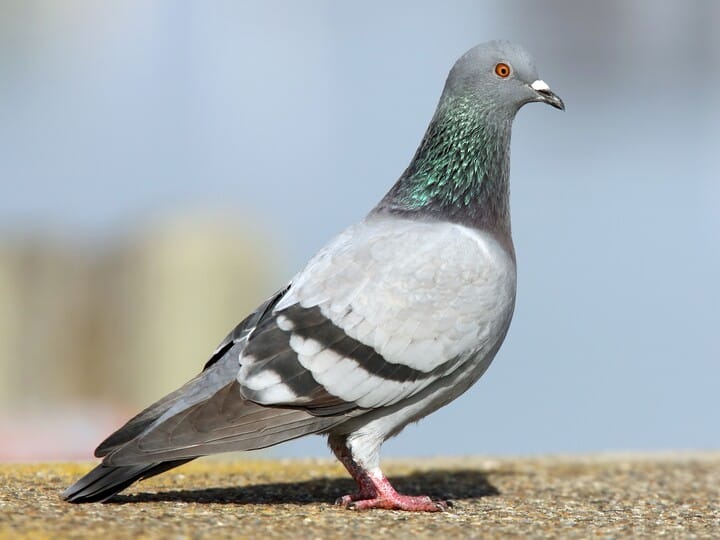
Next on the list is the Pigeon, Also known as the rock dove. Pigeons are known for causing diseases and damage due to their droppings. The droppings trigger human slips and falls as well as accelerating the aging of structures and statues.. Other pests that live on these birds are fleas, lice, mites, ticks and more. Pigeons vary in color but most of them are bluish gray with 2 black bands on the wing and black tip to the tail.
 Source
Woodpeckers
Woodpeckers are part of the family Picidae, that also includes the piculets, wrynecks, and sapsuckers. Members of this family are found worldwide, except for Australia, New Guinea, New Zealand, Madagascar, and the extreme polar regions. A woodpecker will attack for many reasons. The attack can be for food, shelter or to attract a mate. The reasons for attack include finding insects for food, often carpenter bees, or for a nest cavity or roosting site, or for other social reasons.
Gulls
Gulls, or colloquially seagulls, are seabirds of the family Laridae in the suborder Lari. They are most closely related to the terns and only distantly related to auks, skimmers and even more distantly to waders
Canada Geese
The Canada goose is a large wild goose species with a black head and neck, white cheeks, white under its chin, and a brown body. It is native to arctic and temperate regions of North America, and its migration occasionally reaches northern Europe
How to identify Birds
Canadian bird pests vary in length, overall size, and colouration. The smallest pest bird species, house sparrows are approximately 14 to 18 cm long with a wingspan of 19 to 25 cm. At the other end of the spectrum, Canada geese boast a wingspan as long as 182 cm and range from 90 to 120 cm in length. Some of the most common bird colourations include shades of grey, white, black, and brown. Pigeons, which rank as arguably the most colourful bird pest, may appear with streaks of light blue, green, lilac, peach, and various other shades.
Signs of an infestation
Birds are not exactly stealthy creatures, and infestations usually become evident with the increased presence of adult birds, the frequent occurrence of chirping and other noises, the sighting of nests, and an increased quantity of droppings in the area.
Birds Removal
Modifying the surrounding environment can aid property owners in ridding buildings of nuisance birds. Netting or spike strips can be strategically positioned to deter or prevent birds from landing and nesting. Noise devices, such as generators that mimic the sounds that natural predators make, work best in agricultural settings, while visual scare tactics are effective in the short term or when paired with other prevention and exclusion techniques. For particularly aggressive birds and those protected by the Migratory Bird Treaty Act, call a fully licensed pest control professional to take care of the problem legally and effectively.
How to prevent Birds from invading
Monitor water accumulating at likely nesting sites, fix any broken or deficient drainage systems, cover outdoor garbage containers tightly, eliminate any notable sources of food.
Habitat, Diet, and Life Cycle
Habitat
Many of the pest birds in Canada are migratory species which fly south when the temperatures approach the freezing point. Many pest birds have a widely distributed population and benefit greatly from the development of cities and the distribution of human populations. Some species construct nests and raise their young in elevated areas, while others nest on the ground. Birds generally prefer to live in the immediate vicinity of a water source but have no trouble flying reasonable distances to collect food. Most species adapt well to various surroundings.
Diet
Pest birds mainly eat fruits, seeds, grains, and insects. Many species live in close proximity to people and often feed on human food like bread, popcorn, peanuts, cake, discarded restaurant fare, and similar items. Much to the dismay of farmers, pest birds frequently target crops and livestock feed, as well. Gulls and Canada geese in particular maintain special dietary preferences. Gulls often feed on fish, rodents, and carrion, while the geese mostly consume plants like cattails, clover, and grass.
Life Cycle
Without exception, birds mate and rear their young in the spring and summer months. On average, pest birds produce one or two broods each year. House sparrows, however, can produce as many as five generations annually. Most birds require an incubation period of two weeks, though the eggs of both Canada geese and gulls require nearly a month of incubation. Newly hatched birds then leave the nest after an average of two to four weeks of preening. Depending on a variety of factors, nuisance birds typically live between 2 and 10 years.
Commonly Asked Questions
How worried should I be about birds?
Pest birds can carry parasites like fleas, mites, and ticks, and transmit diseases to humans and livestock. Pigeon excrement often contains the fungal diseases histoplasmosis and cryptococcosis, which are especially dangerous to people with compromised immune systems.
Many bird species are noisy and can damage buildings and equipment. Not only are pest bird droppings unsightly, they can stick to buildings, potentially eroding the structure.
Pest birds can also create drainage issues and fire hazards by nesting in the small crevices, drains, and gutters of buildings. Many bird species are also aggressive towards humans or native bird populations.
However, dealing with pest birds can be difficult, due to the Migratory Bird Treaty Act, which protects certain species from trapping and relocation practices. Any attempt to remove a pest bird must also comply with the Fish & Wildlife Act.
While netting, spike strips, noise devices, and visual scare tactics may be valid options, often only a professional, licensed pest control service can meet the regulatory standards required when it comes to removing and keeping away pest birds.
About Pigeon Patrol:
Pigeon Patrol Products & Services is the leading manufacturer and distributor of bird deterrent (control) products in Canada. Pigeon Patrol products have solved pest bird problems in industrial, commercial, and residential settings since 2000, by using safe and humane bird deterrents with only bird and animal friendly solutions. At Pigeon Patrol, we manufacture and offer a variety of bird deterrents, ranging from Ultra-flex Bird Spikes with UV protection, Bird Netting, 4-S Gel and the best Ultrasonic and audible sound devices on the market today.
Contact us at 1- 877– 4– NO-BIRD, (604) 585-9279 or visit our website at www.pigeonpatrol.ca
Bird Gone, Pigeon Gone, Seagull Gone, Pigeon problems, 1-877-4NO-BIRD, 4-S Gel, Bird Control, Pigeon Control, bird repellent,, sonic bird repellent, stainless steel , bird spikes Vancouver, Ultra Sonic Bird Control, Bird Netting, stop aggressive pet birds Canada bird deterrents, Pigeon Pests, B Gone Pigeon, Pigeon Patrol, pest controller, pest control operator, pest control technician, Pigeon Control Products, humane pigeon, pigeon deterrents, pigeon traps, Pigeon repellents, stop aggressive pet birds Sound & Laser Deterrents, wildlife control, raccoon, skunk, squirrel deterrent, De-Fence Spikes, Dragons Den, Canada bird spikes, Canada pigeon, pigeon control, pigeon patrol, pigeon. destroy pigeons, crow, starling, Pigeon Habitat, Pigeon identifications, pigeon myths, stop aggressive birds, stop aggressive pet birds
by Pigeon Patrol | Nov 5, 2020 | Animal Deterrent Products, Bird Deterrent Products, Bird Netting, Bird Spike, Bird Spikes, Columbidae, Doves, Pigeon Droppings, Pigeon Patrol's Services, Pigeon Spikes
Are There Any Myths About The Pigeon? Yes.
If you want to find out what the myths are about the pigeon, then keep on reading!
1. Pigeons All Look Pretty Much Alike
his is definitely a misconception about these ubiquitous birds. Pigeons are common in so many places around the world that they tend to blend into the scenery. But take a closer look and you’ll see a huge variety of colors and patterns among pigeons. In fact, there are dozens of distinct color variations, including red, white, blue-black and gray, according to the Cornell Laboratory of Ornithology.
Much of the variation in pigeon coloring is due to selective breeding throughout history by people who have collected pigeons for their feathers. This should come as no surprise since these animals have been cohabitating with humans for 5,000 to 10,000 years, often as pets, messengers or human sustenance.
2. Pigeons are secret spies
Despite sounding like part of a conspiracy theory, this pigeon myth is actually rooted in a measure of truth. Pigeons have been used by governments and militaries around the globe for centuries, and many pigeon activities have proved quite critical in espionage operations. For example, before the widespread use of satellite imagery, pigeons would be fitted with tiny cameras and flown over enemy territory on information-gathering exercises.
They’ve also been used extensively as messengers — the birds would carry critical notes between military installations even as late as World War II. That being said, it’s extremely unlikely that the pigeons you feed at the local park are working undercover for a foreign government.
3. Pigeons Can Fly Thousands of Miles Per Day
Based on the incredible flying abilities of pigeons, stories about their winged performance have been greatly inflated over the years. For example, pigeons have a remarkable ability to find their way home, but not from halfway around the world — as legend would have it. The truth is still impressive. Pigeons are able to navigate home across hundreds of miles using the sun, the Earth’s magnetic field and landmarks such as tall buildings.
There are also many tall tales about pigeons traveling more than a thousand miles in one day — sometimes many thousands. This is an exaggeration. The truth is that racing pigeons fly between 40 and 50 miles (64 and 80 kilometers) per hour, with the top performers covering a maximum of about 600 miles (966 kilometers) in a single day, according to the Solar Center at Stanford University. So while these stats are remarkable, pigeons are not the superheroes that many mythmakers would have you believe. Source
Pigeons can fly far, but not that far. Still, 600 miles in one day is pretty impressive.
4. Pigeons Are Warmongers
There are plenty of references to pigeons in modern society. People can be pigeon-toed or pigeon-holed, or even act as stool pigeons. If you’ve ever wondered why pigeon-themed parlance plays such a central role in human culture, look no further than your local playground or shopping center. These birds are everywhere.
Because pigeons thrive in man-made environments, they’ve become extremely common wherever there are people. In fact, pigeons are abundant in Europe, Asia and Africa, as well as throughout North America. In addition to being the subjects of legend and lore, these creatures are also the focus of a lot of misconceptions. Check out our list of the most common myths about pigeons, and perhaps you’ll learn a thing or two about our familiar feathered friends.
5. Pigeons and Doves Are Divine
Again, this myth is difficult to discuss rationally, but we felt we had to include it in the list since pigeons and doves (same family, different species) appear so often in scripture and the writings of the ancient world. Whether serving as sacrifice in Jewish tradition or as Noah’s messenger on the ark, pigeons and doves play a central role in the lore of the world’s religions.
Pigeons and doves also represent peace, purity, faith and fidelity in numerous cultures around the world. Why the birds hold such a sacred place in human societies is difficult to discern, but pigeons are no more or less likely than other animals to guide us to the hereafter. Pigeons have been associated with a variety of diseases, including histoplasmosis and cryptococcosis. Histoplasmosis is a disease caused by a fungus that grows in pigeon droppings. The fungus can also be found in bat droppings or in the soil, and is carried by the wind.
About Pigeon Patrol:
Pigeon Patrol Products & Services is the leading manufacturer and distributor of bird deterrent (control) products in Canada. Pigeon Patrol products have solved pest bird problems in industrial, commercial, and residential settings since 2000, by using safe and humane bird deterrents with only bird and animal friendly solutions. At Pigeon Patrol, we manufacture and offer a variety of bird deterrents, ranging from Ultra-flex Bird Spikes with UV protection, Bird Netting, 4-S Gel and the best Ultrasonic and audible sound devices on the market today.
Contact us at 1- 877– 4– NO-BIRD, (604) 585-9279 or visit our website at www.pigeonpatrol.ca
Bird Gone, Pigeon Gone, Seagull Gone, Pigeon problems, 1-877-4NO-BIRD, 4-S Gel, Bird Control, Pigeon Control, bird repellent,, sonic bird repellent, stainless steel , bird spikes Vancouver, Ultra Sonic Bird Control, Bird Netting, Canada bird deterrents, Pigeon Pests, B Gone Pigeon, Pigeon Patrol, pest controller, pest control operator, pest control technician, Pigeon Control Products, humane pigeon, pigeon deterrents, pigeon traps, Pigeon repellents, Sound & Laser Deterrents, wildlife control, raccoon, skunk, squirrel deterrent, De-Fence Spikes, Dragons Den, Canada bird spikes, Canada pigeon, pigeon control, pigeon patrol, pigeon. destroy pigeons, crow, starling, Pigeon Habitat, Pigeon identifications, pigeon myths
by Pigeon Patrol | Nov 5, 2020 | Pigeon Droppings, Pigeon Patrol's Services, Pigeon Predators, Pigeon Spikes
So you want to learn more about who and what are predators of the pigeon,
Well you’ve come to the right place. Today we will be talking about just that and how these pigeons try to avoid them.
Pigeon Predators
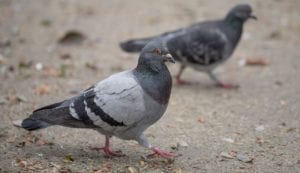
Some common predators of feral pigeons in North America are Foxes, snakes, red-tailed hawks, and owls. The birds that prey on pigeons in North America can range in size from American kestrels to golden eagles and can even include gulls, crows, and ravens.
Foxes are small to medium-sized, omnivorous mammals belonging to several genera of the family Canidae. Foxes have a flattened skull, upright triangular ears, a pointed, slightly upturned snout, and a long bushy tail. Twelve species belong to the monophyletic “true foxes” group of genus Vulpes. These animals can be seen preying on pigeons early in the morning
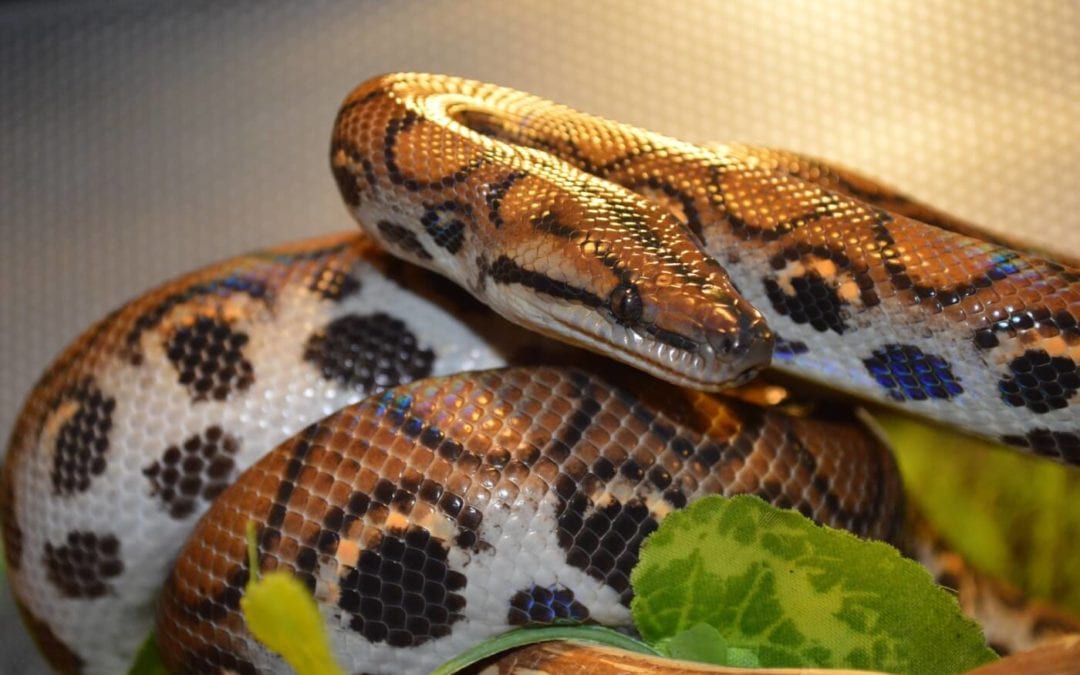
Snakes are no stranger to pigeons. Snakes are elongated, legless, carnivorous reptiles of the suborder Serpents. Like all other squamates, snakes are ectothermic, amniote vertebrates covered in overlapping scales. Snakes can easily swallow a pigeon in no time. There’s a couple of videos of snakes devouring pigeons.

Another big predator or the pigeon is the Seagull. Gulls, or colloquially seagulls, are seabirds of the family Laridae in the suborder Lari. They are most closely related to the terns and only distantly related to auks, skimmers and even more distantly to waders. Seagulls in Rome are “returning” to their natural status as predators, hunting down rats, pigeons, and other smaller birds as the lack of humans on the streets mean no food scraps are to be found

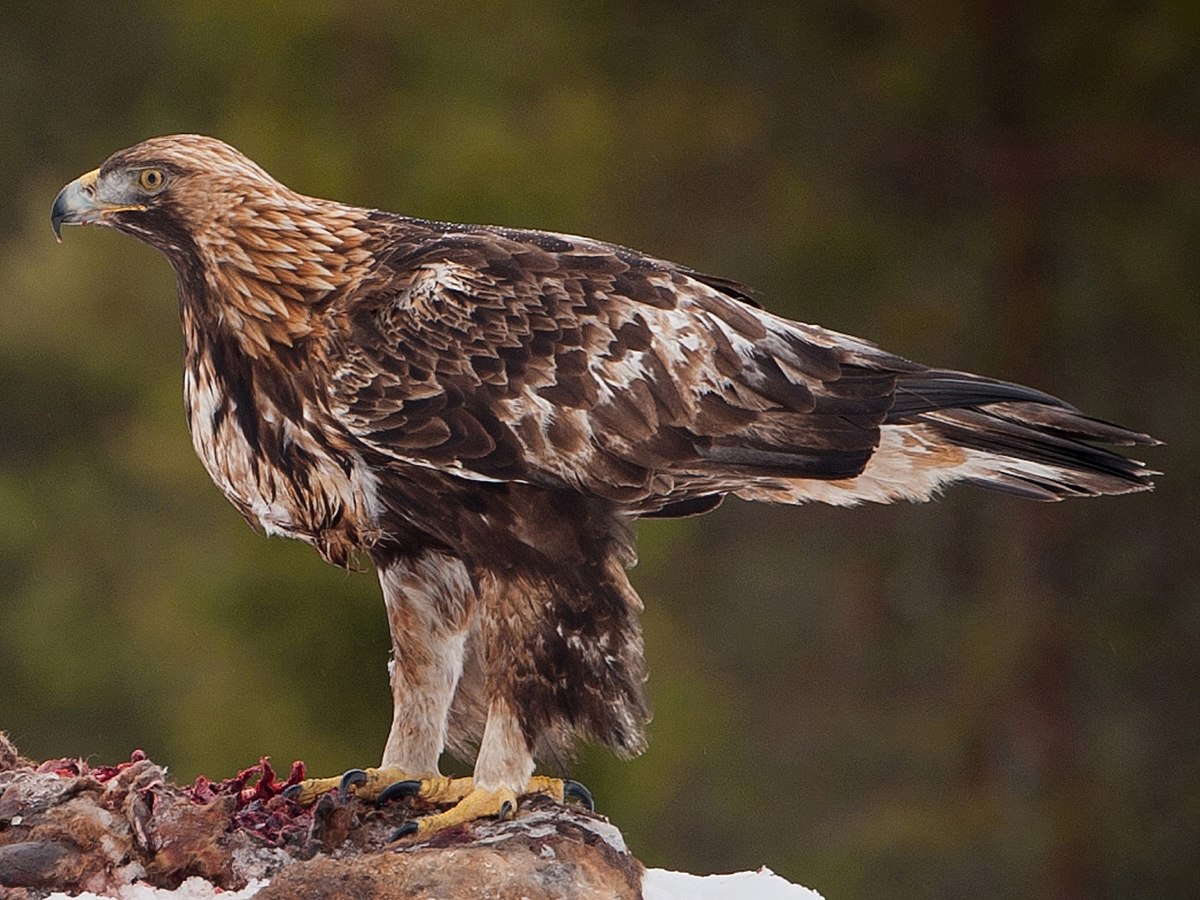
Another predator of pigeons are the golden eagle. The golden eagle is one of the best-known birds of prey in the Northern Hemisphere. It is the most widely distributed species of eagle. Like all eagles, it belongs to the family Accipitridae. These birds are dark brown, with lighter golden-brown plumage on their napes. The healthy adult golden eagle, due to its impressive size and hunting prowess, has no natural predators. Eggs, chicks, immature eagles, and injured birds are susceptible to a range of predators, such as other birds of prey, including other kinds of eagles and hawks, bears, wolves and cougars.
And the biggest predator of pigeons? Man is by far the greatest predator of pigeons.
How The Pigeon Avoid Predators
In most birds, flight is the most important means of escape from predators. Impaired flight abilities due to increased wing loading may increase vulnerability to predation. To compensate for an increase in wing loading, birds are able to independently decrease body mass (BM) or increase pectoral muscle mass (PMM). Comparing nearshore and farshore foraging shorebird species, we develop a theory as to which of these responses should be the most appropriate. We hypothesize that nearshore foragers should respond to increased predation by increasing their PMM in order to promote speed-based escape. Instead, farshore foragers should decrease BM in order to improve agility for maneuvering escape. Experiments on 2 shorebird species are consistent with these predictions, but on the basis of the theoretical framework for evaluating effect size and biological significance developed here, more experiments are clearly needed. Source
They can startle the predator, stand their ground, crouch and stay put, or fly off (Caro 2005). For most birds, flight is the predominant escape mode. A reduction of speed or maneuverability is likely to increase the chance of being depredated once airborne
About Pigeon Patrol:
Pigeon Patrol Products & Services is the leading manufacturer and distributor of bird deterrent (control) products in Canada. Pigeon Patrol products have solved pest bird problems in industrial, commercial, and residential settings since 2000, by using safe and humane bird deterrents with only bird and animal friendly solutions. At Pigeon Patrol, we manufacture and offer a variety of bird deterrents, ranging from Ultra-flex Bird Spikes with UV protection, Bird Netting, 4-S Gel and the best Ultrasonic and audible sound devices on the market today.
Contact us at 1- 877– 4– NO-BIRD, (604) 585-9279 or visit our website at www.pigeonpatrol.ca
Bird Gone, Pigeon Gone, Seagull Gone, Pigeon problems, 1-877-4NO-BIRD, 4-S Gel, Bird Control, Pigeon Control, bird repellent,, sonic bird repellent, stainless steel , bird spikes Vancouver, Ultra Sonic Bird Control, Bird Netting, Canada bird deterrents, Pigeon Pests, B Gone Pigeon, Pigeon Patrol, pest controller, pest control operator, pest control technician, Pigeon Control Products, humane pigeon, pigeon deterrents, pigeon traps, Pigeon repellents, Sound & Laser Deterrents, wildlife control, raccoon, skunk, squirrel deterrent, De-Fence Spikes, Dragons Den, Canada bird spikes, Canada pigeon, pigeon control, pigeon patrol, pigeon. Kill pigeons, crow, starling, Pigeon Habitat, Pigeon identifications,