by Pigeon Patrol | Oct 17, 2023 | history of pigeons, MBCA, pet bird, Pigeon Control, Pigeon Droppings, Pigeon Patrol's Services, Pigeon Predators
Look! Up in the sky! It’s … not as much as there used to be. Three billion wild birds have vanished from North America’s air in 50 years; a new study calls that loss “staggering.” Three billion is as many as 1 bird in 4 — birds of the forests, birds of the grasslands, gone. And 50 years is about the same time that it took North America to send the passenger pigeon — once the most abundant bird on the continent, flying by the billions in flocks that blocked the sun for hours at a time — to send it into extinction. These creatures who evolved from the dinosaurs, who delight us with color and song — humans are crowding them out, plowing up and chopping down their habitat, poisoning them with pesticides, installing windows that they smash into, allowing domestic cats to kill them. And just over a century after the nation began protecting its native birds with the landmark Migratory Bird Treaty Act, the Trump administration is ready to weaken its enforcement. Steve Holmer heads the American Bird Conservancy, whose motto is “Bringing back the birds.” Can it be done, and how?
*****
Three billion birds in 50 years in this country. Why are they disappearing?
We believe it’s a combination of things. Migratory birds spend the majority of their year in the south, either the southern U.S. or in Central or South America. And so there’s all kinds of habitat issues there. And then when they actually migrate, they have what’s called stopover places, where they basically need to stop and fuel up again. If that habitat isn’t in good condition, or if they face threats there, then that could affect their migration.
Some new studies indicate that pesticides might prevent migrating birds from gaining sufficient weight. On these stopover points, they typically will gorge themselves and gain a bunch of weight so that they can fly — in some cases all the way up to the Arctic where they have their chicks. And then they come all the way back. It’s quite a gantlet that they go through. We think all of this is adding up into these declines.
Make the case for why bird life matters. People think aah, it’s just sparrows, aah, it’s just pigeons.
They’re actually a very good indicator of the overall health of the environment. When we see these bird declines, it’s an indication that in a sense there’s something out of balance. And we’ve seen certain habitats removed to a degree that the birds would become endangered. At the same time, we’ve had some very successful conservation efforts. We’ve brought the bald eagle back, for example. Its population is now increasing 10% a year, the result of banning DDT and other efforts to protect it.
Seventy years ago, Communist China crusaded against sparrows as “public animals of capitalism,” and killed billions. Without the sparrows to eat them, insects flourished, crops were destroyed and millions of Chinese starved. The earth needs birds. People need birds.
Birds play a crucial role within the ecosystem in terms of eating insects and other things and then also being eaten by other things. Part of the reason why the loss of the 3 billion birds is so significant is, that’s a huge loss of biomass that used to be in the system. We need to think about doing some things to try to restore balance.

What kinds of birds were foremost among those 3 billion that aren’t around anymore?
Really common birds, meadowlarks; grassland birds in particular seem to have taken a really huge dip. There have been some new studies showing significant impacts from pesticides. And an ongoing process called intensification with agriculture, where they’re using more and more of the land in a much more intensive fashion. And the result is there’s just less available for wildlife.
It really gets down to the price of corn in some ways. And then the subsidies for corn ethanol have actually been pretty bad for birds because they’re leading to the sod-busting and we don’t have a whole lot of original prairie left.
About a year ago the Natural Resources Management Act was signed into law by the Trump administration — a bundle of bills, and a lot of conservation groups had campaigned for them. Isn’t that something of a step forward?
It wasn’t a perfect deal, though. There was still a rider in there that prevents protection for the greater sage grouse, which right now is in severe decline. The sage grouse is a bird that lives all across the Great Basin, a little bit in northern California. That kind of desert country is where you’ll find sage grouse. They actually will eat the sagebrush and hide in it. They’re an excellent indicator for basically pristine, wide open spaces. They like big areas. They like it quiet.
As energy development and other things have descended upon that region, we’ve actually seen the grouse population decline by as much as 90%.
When we see species like the meadowlark start to disappear, species that were so common, that’s not a good harbinger for rarer species in more endangered habitats, is it?
No, that’s exactly the issue. We do carefully look at all the bird populations. There is a lot of focus on the birds that might become endangered; there’s a big effort to head that off.
But we’ve also found that once the bird is listed [as endangered], recovery efforts tend to be successful. We did an analysis a couple of years ago and found out that the biggest need for the Endangered Species Act was to increase this funding for recovery.
A number of birds have just been delisted. One of them was the Kirtland’s warbler up in Michigan, and that’s just a result of successful conservation efforts. There are some good success stories — the interior least tern and the Kirtland’s warbler and a few others are definitely at a point where they seem to be safe and stable in terms of avoiding extinction and on their way to recovery.
But others worry you.
Well, changes to the law itself are worrying me. There’s been some rule-making that can make it very difficult to get protection for new species or provide for adequate habitat protection.
I do think that the process has become politicized and we’re feeling it’s a real challenge to get a level of protection that the birds really need.
People know the phrase “canary in the mine shaft,” meaning an early harbinger of something bad about to happen. Now it seems like our whole wild bird population is the canary in the mine shaft.
That’s right, and they also are showing that they are a big indicator for global warming and climate change. You’re seeing range shifts; because it’s a little warmer, the birds are actually much further north and they’re literally following the climate band as it as it changes.
They’re fortunate in the sense that they can fly to the to a new ideal environment for themselves. Not every critter has that luxury.
As we expand, as our population gets bigger, our agricultural needs are bigger, people cut down forests for wood for myriad purposes, the birds— they gotta give.
We really do need to provide incentives to landowners to grow trees and to maintain their forests. If property values shift too far, they might go into real estate and all that land gets developed.
If we need to grow trees for climate [change purposes], we should make it a real lucrative thing for the landowner to do.
How successful is that?
We’re seeing some success. The California carbon market is really probably the greatest example where it allows for forest conservation projects. Most of them have either longer rotation, forestry or reforestation. And so either way, the environment is winning, because we’re growing trees and absorbing that carbon and providing for that habitat. The California market is something that we probably need to make national.
There was a conflict in the Pacific Northwest in the 1990s over loggers versus habitat and the endangered northern spotted owl; I think one bumper stickers said something like, “Save a logger, eat a spotted owl.” Is that the way our relationship with the natural world in general and birds and in particular is going?
It is kind of ironic because birds in general are very popular, but a couple of birds like the greater sage grouse and the spotted owl have been the flashpoint for these huge land use issues, whether it’s conservation of the many millions of acres of public lands in the sagebrush country or the old-growth forest in the Pacific Northwest.
The fact that these birds declined so far is really kind of an indication that the habitat was not being used and not being properly conserved.
There’s been, I think, a very successful effort to protect the old-growth forest under the Northwest Forest Plan, but it’s by no means a perfect plan. But it has brought an end to the worst type of old-growth logging that used to happen.
And we are actually seeing some real benefits in terms of improved water quality. The forests in the region are now a big carbon sink where they absorb carbon instead of being a source of emissions every year or so.
So the public has seen some real side benefit in addition to the conservation of the forests.
Unfortunately, we have some policymakers who are trying to open up the old-growth forest again to logging, whether it be in Alaska or in the Pacific Northwest or Northern California. And we’re trying to counter that.
A lot of the work that we do is in partnership with other conservation groups. We manage a coalition called the Bird Conservation Alliance, which has over 200 groups doing public outreach and events to raise awareness about our program.
People like the idea of birds — they just don’t perhaps make the connection between, Oh, that’s a bird, and I like to hear it, I like to see it … and what it takes to keep that bird alive.
And sometimes people don’t see how their actions might affect things. A couple of the biggest sources of mortality for birds are window collisions and cats.
With windows, it’s estimated about a billion [birds are killed] a year, and it tends to be on the glass facades and ground-level windows that reflect foliage. There are ways, despite how the landscape is designed or where the windows are themselves; there’ve been windows tested that reduce the number of collisions. We’re working on various pieces of legislation that encourage the use of bird-safe building designs and materials.
There’s actually solutions for homeowners. There’s glass products and films that they can put on the windows to treat them so that the collisions can be greatly reduced.
The same with cats. Keeping cats indoors is safer for the cat. And it greatly reduces the predation that would happen if they were outdoors.
Many people let their cats outside to roam around, not thinking about the devastation that cats can wreak by killing birds — not a pleasant thing for bird lovers or for cat lovers.
In the West, there’s there is a big problem for cat owners seeing their cats outdoors having all kinds of issues, whether it’s fights with other cats, getting hit by cars and that kind of thing.
But the big issue lately is coyotes. If you’re leaving your cat outside, particularly at night, it’s a huge risk to them.
How many birds are cats killing?
Well, it is estimated it’s in the billions. Particularly when you think about the fledgling birds, they tend to be very vulnerable for their first couple of months, before they’ve really gotten to be full size and full strength. There’s just a tremendous toll every year.
What about windmills? President Trump says windmills kill a lot of birds.
Windmills do kill birds. We estimate as many as a million birds a year are killed by wind turbines and associated infrastructure. There are guidelines in place right now that can reduce this mortality. Unfortunately, they’re not being used that consistently. We’re working on a [proposed] piece of legislation called the Migratory Bird Protection Act that we think eventually could lead to these guidelines getting into use more often.
The changes that are happening to the [landmark 1918] Migratory Bird Treaty Act by the administration right now — one of the biggest problems is the fact that it won’t encourage us to solve these problems any longer. The law was intended to encourage industry to find ways to stop killing birds accidentally. So whether it be [birds] falling into oil pits or running into communications towers, there has been a lot of effort over time to reduce that mortality.
As a result of this change that’s been proposed by the administration and already put in effect through a legal opinion a couple of years ago, we’re actually no longer seeing enforcement that we used to have.
So at the same time bird populations are declining, we’re actually seeing weaker enforcement and weaker protection.
With wind and also with oil and gas and pretty much on any aspect, they’ve basically said that they’re no longer going to enforce the law.
And this could even be in extreme worst cases of oil spills where, in the past, there would have been big fines applied. Now they’re basically saying there’s no law any longer.
We’re already fighting, as is the state of California. We’re hopeful to overturn their efforts to weaken the law.
The Migratory Bird Protection Act, sponsored by Rep. Alan Lowenthal from California, would actually kind of bring about these best management practices that I was just talking about. The bill has gone through a House committee and is awaiting a vote on the House floor. And people can express their support to their lawmakers to pass the Migratory Bird Protection Act.
It sounds like California’s doing a pretty good job of getting on top of this.
California has an outstanding legislature in terms of passing bills to protect the environment and fill in the gap while the federal government is kind of dithering about right now.
One area where California took the lead was in the phase-out of toxic lead ammunition. There’s now nontoxic alternatives available.
Most Americans live in suburban or urban areas now. I’m wondering about the urban bird population.
There’s actually a lot that we can do in our urban areas. Urban forests are very important. And each homeowner can do things with their own landscaping, things that that could actually really benefit wildlife, just in our own back yard.
Are you a birdwatcher? Is there a species that speaks to you?
Right now, I’d have to say the marbled murrelet is the species that really speaks to me. It’s right on the coast of northern California and Oregon and Washington state. And it’s a neat little seabird that goes out and forges on little fish and then it nest in the tops of old-growth trees. Those tend to be the very biggest trees that are like 200 years old or older. So there’s a huge overlap between the marbled murrelet and these really high-carbon forests that are valuable in terms of the fight on climate change. There’s all kinds of habitat protection and recreation.
Source
Pigeon Patrol
Pigeon Patrol Products & Services is the leading manufacturer and distributor of bird deterrent (control) products in Canada. Pigeon Patrol products have solved pest bird problems in industrial, commercial, and residential settings since 2000, by using safe and humane bird deterrents with only bird and animal -friendly solutions. At Pigeon Patrol, we manufacture and offer a variety of bird deterrents, ranging from Ultra-flex Bird Spikes with UV protection, Bird Netting, 4-S Bird Gel and the best Ultrasonic and audible sound devices on the market today.
Canada’s top wholesaler for bird deterrent products for twelve consecutive years.
Contact us at 1- 877– 4– NO-BIRD, (604) 585-9279 or visit our website at https://www.pigeonpatrol.ca/
Bird Gone, Pigeon Gone, Pigeon problems, pigeon spikes, 1-877-4NO-BIRD, 4-S Gel, Bird Control, Pigeon Control, bird repellent, Bird Spikes, sonic bird repellent, stainless steel bird spikes, bird spikes Vancouver, Ultra Sonic Bird Control, Bird Netting, Plastic Bird Spikes, Canada bird spike deterrents, Pigeon Pests, B Gone Pigeon, Pigeon Patrol, pest controller, pest control operator, pest control technician, Pigeon Control Products, humane pigeon spikes, pigeon deterrents, pigeon traps, Pigeon repellents, Sound & Laser Deterrents, wildlife control, raccoon, skunk, squirrel deterrent, De-Fence Spikes, Dragons Den, Pigeon, Pigeon Patrol, Pigeons Roosting, Vancouver Pigeon Control, Bird Spikes, Bird Control, Bird Deterrent, Pigeon Deterrent, Surrey Pigeon Control, Pest, Seagull deterrent Vancouver Pigeon Blog, Birds Inside Home De-fence, Pigeon Nesting, Bird Droppings, Pigeon Dropping, woodpecker control, Keep The Birds Away, Birds/rats, seagull, pigeon, woodpecker, dove, sparrow, pidgeon control, pidgeon problem, pidgeon control, flying rats, pigeon Problems, bird netting, bird gel, bird spray, bird nails, bird guard, Pigeon control, Bird deterrents, Pigeon deterrents, Bird control, solutions, Pigeon prevention, Pigeon repellent, Bird proofing, Pest bird management, Pigeon spikes, Bird netting, Humane bird control, Bird exclusion, Urban bird control, Anti-roosting devices, Pigeon removal, Bird barriers
by Pigeon Patrol | Oct 3, 2023 | Bird Spike, Pigeon Droppings, Pigeon Patrol's Services, Pigeon Predators, Pigeon Spikes, Pigeons
A Thai district chief has clipped the wings of his town’s pigeon population by paying residents to trap the birds and organising a cook-off to build support for the cull.
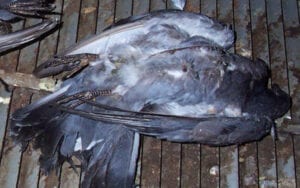
The campaign to go after hundreds of thousands of pigeons started earlier this week in a district of Lop Buri province – a region better known for its monkey menace.
“The number of pigeons increases four to five times each year, if we don’t do anything the problem will get worse,” said Plaek Thepparak, the highest government official in Mueang district, who came up with the idea.
The birds were a nuisance and defecated on government offices, historical sites, temples and houses while ravaging local crops, he added.
“Before people can drink rain water but now they have to buy drinking water because rain water is dirty from bird droppings,” he said.
Residents will get 10 baht (about $0.30) per trapped birds, which will be transferred to a quarantine centre in a nearby province.
But cooking them up is also on the menu.
“We also urged residents to eat the dead pigeons but only if they are hygienic and cook them well,” Plaek said, adding the town hosted a “pigeon menu” cooking competition earlier this week with cash prizes.
The dishes whipped up included a simple fried pigeon, knocked back with a side of Thailand’s classic papaya salad.
Two hours north of the capital Bangkok, Lop Buri is on Thailand’s tourist circuit and is better known as a haven for monkeys, but even they are being outnumbered by the birds.
“There are about 3,000 monkeys but there are hundreds of thousands of pigeon,” Plaek said.
Source
Pigeon Patrol
Pigeon Patrol Products & Services is the leading manufacturer and distributor of bird deterrent (control) products in Canada. Pigeon Patrol products have solved pest bird problems in industrial, commercial, and residential settings since 2000, by using safe and humane bird deterrents with only bird and animal -friendly solutions. At Pigeon Patrol, we manufacture and offer a variety of bird deterrents, ranging from Ultra-flex Bird Spikes with UV protection, Bird Netting, 4-S Bird Gel and the best Ultrasonic and audible sound devices on the market today.
Canada’s top wholesaler for bird deterrent products for twelve consecutive years.
Contact us at 1- 877– 4– NO-BIRD, (604) 585-9279 or visit our website at https://www.pigeonpatrol.ca/
Bird Gone, Pigeon Gone, Pigeon problems, pigeon spikes, 1-877-4NO-BIRD, 4-S Gel, Bird Control, Pigeon Control, bird repellent, Bird Spikes, sonic bird repellent, stainless steel bird spikes, bird spikes Vancouver, Ultra Sonic Bird Control, Bird Netting, Plastic Bird Spikes, Canada bird spike deterrents, Pigeon Pests, B Gone Pigeon, Pigeon Patrol, pest controller, pest control operator, pest control technician, Pigeon Control Products, humane pigeon spikes, pigeon deterrents, pigeon traps, Pigeon repellents, Sound & Laser Deterrents, wildlife control, raccoon, skunk, squirrel deterrent, De-Fence Spikes, Dragons Den, Pigeon, Pigeon Patrol, Pigeons Roosting, Vancouver Pigeon Control, Bird Spikes, Bird Control, Bird Deterrent, Pigeon Deterrent, Surrey Pigeon Control, Pest, Seagull deterrent Vancouver Pigeon Blog, Birds Inside Home De-fence, Pigeon Nesting, Bird Droppings, Pigeon Dropping, woodpecker control, Keep The Birds Away, Birds/rats, seagull, pigeon, woodpecker, dove, sparrow, pidgeon control, pidgeon problem, pidgeon control, flying rats, pigeon Problems, bird netting, bird gel, bird spray, bird nails, bird guard, Pigeon control, Bird deterrents, Pigeon deterrents, Bird control, solutions, Pigeon prevention, Pigeon repellent, Bird proofing, Pest bird management, Pigeon spikes, Bird netting, Humane bird control, Bird exclusion, Urban bird control, Anti-roosting devices, Pigeon removal, Bird barriers
by Pigeon Patrol | Oct 3, 2023 | Bird Spike, Pigeon Predators, Pigeon Spikes, Pigeons, Pigeons in the News, Raccoons, Sparrows
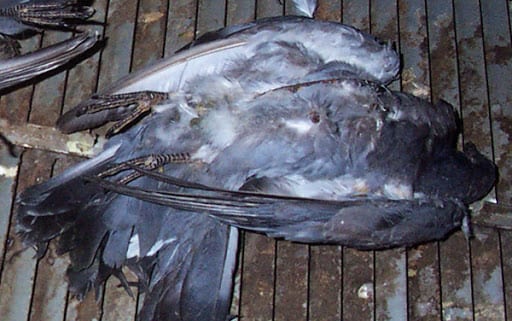
A FALCON and a pigeon have been killed in Co Tyrone in what has been described as “one of the most serious incidents of peregrine persecution in Northern Ireland for several years”.
The PSNI were last night continuing to investigate after the birds were found dead at around 10pm in the Scraghey area, near Castlederg on July 10.
It is thought those behind the attack tied up the pigeon and covered it with poison, using it as bait to trap a peregrine falcon.
DUP MLA Jim Wells, also a member of the NI Raptor Study Group, described the incident as “cruel”.
“The vigilance of several members of the Raptor Study Group and the very quick response by the PSNI has revealed what is likely to be one of the most serious incidents of peregrine persecution in Northern Ireland for several years,” he told the Ulster Herald.
“The use of poison on a pigeon to kill a protected bird of prey is cruel, dangerous and totally irresponsible. The peregrine falcon once faced extinction due to the use of pesticides and now it’s recovery is threatened by those who seek to kill adults and young using totally illegal and reckless methods”.
He added:”The research has revealed that illegal prosecution remains a problem in some parts of the county. There are those who want to prevent people living in this area from seeing the fastest bird in the world”.
Source
Pigeon Patrol
Pigeon Patrol Products & Services is the leading manufacturer and distributor of bird deterrent (control) products in Canada. Pigeon Patrol products have solved pest bird problems in industrial, commercial, and residential settings since 2000, by using safe and humane bird deterrents with only bird and animal -friendly solutions. At Pigeon Patrol, we manufacture and offer a variety of bird deterrents, ranging from Ultra-flex Bird Spikes with UV protection, Bird Netting, 4-S Bird Gel and the best Ultrasonic and audible sound devices on the market today.
Canada’s top wholesaler for bird deterrent products for twelve consecutive years.
Contact us at 1- 877– 4– NO-BIRD, (604) 585-9279 or visit our website at https://www.pigeonpatrol.ca/
Bird Gone, Pigeon Gone, Pigeon problems, pigeon spikes, 1-877-4NO-BIRD, 4-S Gel, Bird Control, Pigeon Control, bird repellent, Bird Spikes, sonic bird repellent, stainless steel bird spikes, bird spikes Vancouver, Ultra Sonic Bird Control, Bird Netting, Plastic Bird Spikes, Canada bird spike deterrents, Pigeon Pests, B Gone Pigeon, Pigeon Patrol, pest controller, pest control operator, pest control technician, Pigeon Control Products, humane pigeon spikes, pigeon deterrents, pigeon traps, Pigeon repellents, Sound & Laser Deterrents, wildlife control, raccoon, skunk, squirrel deterrent, De-Fence Spikes, Dragons Den, Pigeon, Pigeon Patrol, Pigeons Roosting, Vancouver Pigeon Control, Bird Spikes, Bird Control, Bird Deterrent, Pigeon Deterrent, Surrey Pigeon Control, Pest, Seagull deterrent Vancouver Pigeon Blog, Birds Inside Home De-fence, Pigeon Nesting, Bird Droppings, Pigeon Dropping, woodpecker control, Keep The Birds Away, Birds/rats, seagull, pigeon, woodpecker, dove, sparrow, pidgeon control, pidgeon problem, pidgeon control, flying rats, pigeon Problems, bird netting, bird gel, bird spray, bird nails, bird guard, Pigeon control, Bird deterrents, Pigeon deterrents, Bird control, solutions, Pigeon prevention, Pigeon repellent, Bird proofing, Pest bird management, Pigeon spikes, Bird netting, Humane bird control, Bird exclusion, Urban bird control, Anti-roosting devices, Pigeon removal, Bird barriers
by Pigeon Patrol | Oct 3, 2023 | Bird Spike, Pigeon Predators, Pigeon Spikes, Pigeons, Pigeons in the News, Raccoons, Sparrows, UltraSonic Bird Control
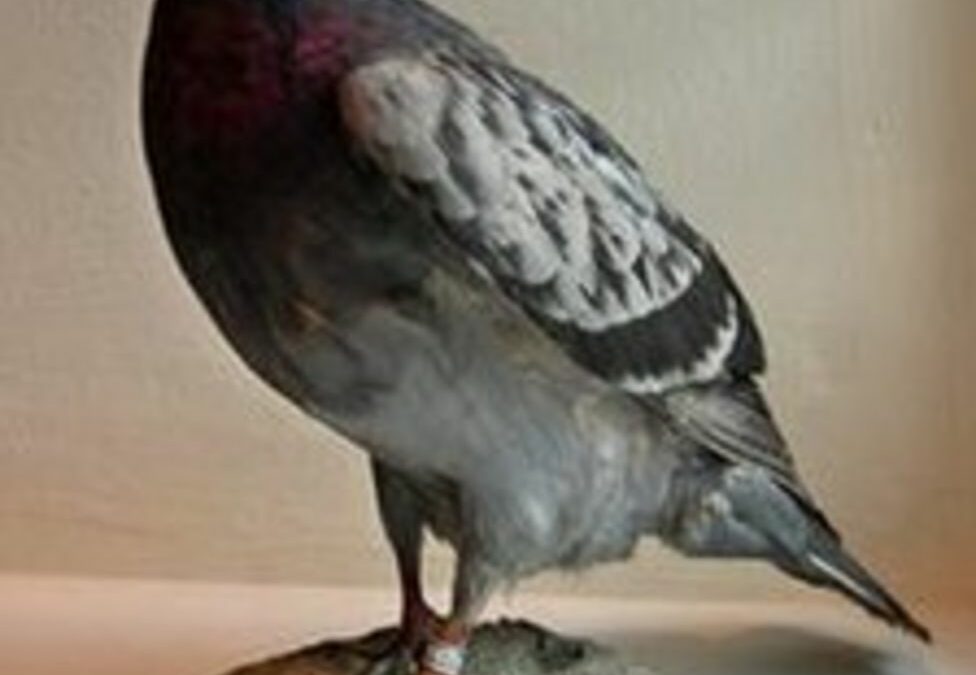
Filmmaker Michael Bay has been charged with killing a pigeon back in 2018 while filming a movie in Italy.
The Wrap reported that the Transformers director was accused of killing the bird during the production of Netflix’s 6 Underground in Rome.
Authorities claim the homing pigeon was killed on a moving dolly during a take.
Pigeons are protected in both Italy and in the European Union under the Birds Directive, which states it is illegal to ‘kill, trap or trade’ them.
According to The Wrap, an individual who was allegedly present when the incident occurred on set reported it to Italian police shortly after. However, Bay has fiercely denied these claims.
He told the outlet: “I am a well-known animal lover and major animal activist.
“No animal involved in the production was injured or harmed. Or on any other production I’ve worked on in the past 30 years.”
Bay and his legal team have made multiple attempts to have the case thrown out in court.
The director maintains as he has video evidence of the incident, which proves he is innocent.
He said: “We have clear video evidence, a multitude of witnesses, and safety officers that exonerates us from these claims. And disproves their one paparazzi photo — which gives a false story.”
He added: “There is an ongoing court case so I cannot get into the specifics, but I am confident we will prevail when I have my day in court.
While Italian authorities have offered to settle the case with the director paying a small fine, Bay refused as he did not want to ‘plead guilty to having harmed an animal’.
The 2018 flick 6 Underground follows a group of people who fake their own deaths and form a vigilante team to stage a coup d’état against a ruthless dictator.
The film stars Ryan Reynolds, Dave Franco, Melanie Laurent and Corey Hawkins.
And, just like all of Bay’s movies, 6 Underground had a whopping budget of USD $150 million (AUD 216m).
But despite this, it was a flop according to Netflix’s head of original films, Scott Stuber.
“We didn’t feel like we got there on that one creatively,” Stuber told Variety.
“It was a nice hit, but at the end of the day we didn’t feel like we nailed the mark to justify coming back again.
“There just wasn’t that deep love for those characters or that world.”
Source
s
Pigeon Patrol
Pigeon Patrol Products & Services is the leading manufacturer and distributor of bird deterrent (control) products in Canada. Pigeon Patrol products have solved pest bird problems in industrial, commercial, and residential settings since 2000, by using safe and humane bird deterrents with only bird and animal -friendly solutions. At Pigeon Patrol, we manufacture and offer a variety of bird deterrents, ranging from Ultra-flex Bird Spikes with UV protection, Bird Netting, 4-S Bird Gel and the best Ultrasonic and audible sound devices on the market today.
Canada’s top wholesaler for bird deterrent products for twelve consecutive years.
Contact us at 1- 877– 4– NO-BIRD, (604) 585-9279 or visit our website at https://www.pigeonpatrol.ca/
Bird Gone, Pigeon Gone, Pigeon problems, pigeon spikes, 1-877-4NO-BIRD, 4-S Gel, Bird Control, Pigeon Control, bird repellent, Bird Spikes, sonic bird repellent, stainless steel bird spikes, bird spikes Vancouver, Ultra Sonic Bird Control, Bird Netting, Plastic Bird Spikes, Canada bird spike deterrents, Pigeon Pests, B Gone Pigeon, Pigeon Patrol, pest controller, pest control operator, pest control technician, Pigeon Control Products, humane pigeon spikes, pigeon deterrents, pigeon traps, Pigeon repellents, Sound & Laser Deterrents, wildlife control, raccoon, skunk, squirrel deterrent, De-Fence Spikes, Dragons Den, Pigeon, Pigeon Patrol, Pigeons Roosting, Vancouver Pigeon Control, Bird Spikes, Bird Control, Bird Deterrent, Pigeon Deterrent, Surrey Pigeon Control, Pest, Seagull deterrent Vancouver Pigeon Blog, Birds Inside Home De-fence, Pigeon Nesting, Bird Droppings, Pigeon Dropping, woodpecker control, Keep The Birds Away, Birds/rats, seagull, pigeon, woodpecker, dove, sparrow, pidgeon control, pidgeon problem, pidgeon control, flying rats, pigeon Problems, bird netting, bird gel, bird spray, bird nails, bird guard, Pigeon control, Bird deterrents, Pigeon deterrents, Bird control, solutions, Pigeon prevention, Pigeon repellent, Bird proofing, Pest bird management, Pigeon spikes, Bird netting, Humane bird control, Bird exclusion, Urban bird control, Anti-roosting devices, Pigeon removal, Bird barriers
bird guard
by Pigeon Patrol | Sep 25, 2023 | Bird Spike, Pigeon Predators, Pigeon Spikes, Pigeons, Pigeons in the News, Raccoons, Sparrows, UltraSonic Bird Control
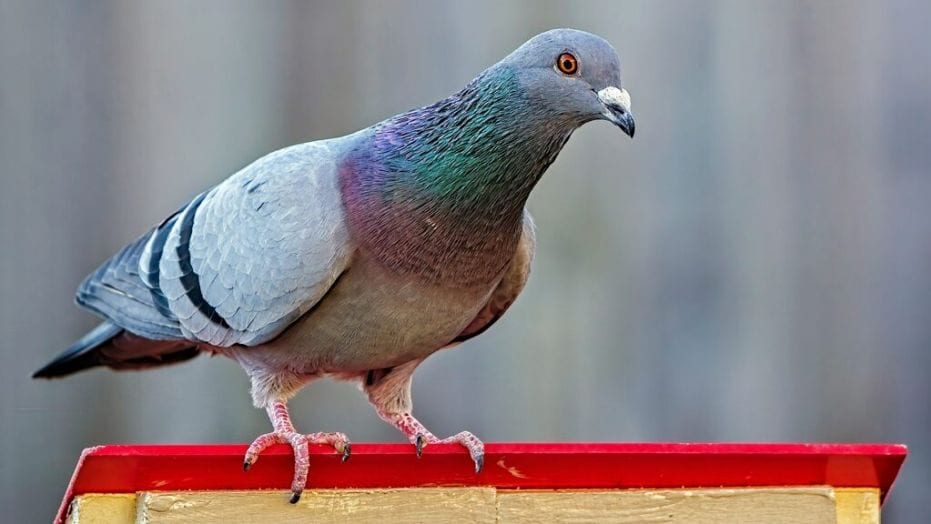
EPPING – The fate of a homing pigeon that stopped by the Epping police station after getting lost on a flight home to Massachusetts is unknown.
The 4-month-old bird hasn’t been seen since it was released from police custody earlier this month.
The pigeon first arrived outside the police station on Sept. 29. Worried about its safety, police took the bird into custody and held him over night.
Police learned that his owner was Gerry Gaumond of New Braintree, Mass., and that he became lost during a pigeon race that began in New York. He was expected to return home with the rest of Gaumond’s pigeons participating in the race, but it’s believed that he lost his way because he’s young and inexperienced.
Police released the pigeon on Sept. 30 and assumed he would make it home by the end of the day. However, he was found a short distance away and returned to the police department.
A second attempt to send the bird home on its own was made on Oct. 3 when Animal Control Officer Bill Hansen brought the pigeon to Depot Road in the area of the Exit 6 on-ramp to Route 101 and let him go.
The bird didn’t immediately take off. It flew up onto the roof of a house nearby and perched itself there.
Hansen didn’t hang around to see if the pigeon would leave. He assumed it would get its bearings and take off when it was ready.
“The last time I saw him he was sitting on that roof,” Hansen said Thursday.
Police received sightings of the pigeon in the area where it was released days later, but no one seems to know where he ended up.
Gaumond said it’s possible the pigeon could still fly home, but unlikely.
“Every day the chances get slimmer, but you never know. There’s a one in a million chance,” he said.
Gaumond, who races pigeons with his daughter through a club, said he’s had pigeons arrive home two months after they disappeared.
But their chances of survival diminish the longer they’re in the wild as they become easy prey for other animals.
Gaumond will soon begin breeding more pigeons to fly in races next year.
Source
Pigeon Patrol
Pigeon Patrol Products & Services is the leading manufacturer and distributor of bird deterrent (control) products in Canada. Pigeon Patrol products have solved pest bird problems in industrial, commercial, and residential settings since 2000, by using safe and humane bird deterrents with only bird and animal -friendly solutions. At Pigeon Patrol, we manufacture and offer a variety of bird deterrents, ranging from Ultra-flex Bird Spikes with UV protection, Bird Netting, 4-S Bird Gel and the best Ultrasonic and audible sound devices on the market today.
Canada’s top wholesaler for bird deterrent products for twelve consecutive years.
Contact us at 1- 877– 4– NO-BIRD, (604) 585-9279 or visit our website at https://www.pigeonpatrol.ca/
Bird Gone, Pigeon Gone, Pigeon problems, pigeon spikes, 1-877-4NO-BIRD, 4-S Gel, Bird Control, Pigeon Control, bird repellent, Bird Spikes, sonic bird repellent, stainless steel bird spikes, bird spikes Vancouver, Ultra Sonic Bird Control, Bird Netting, Plastic Bird Spikes, Canada bird spike deterrents, Pigeon Pests, B Gone Pigeon, Pigeon Patrol, pest controller, pest control operator, pest control technician, Pigeon Control Products, humane pigeon spikes, pigeon deterrents, pigeon traps, Pigeon repellents, Sound & Laser Deterrents, wildlife control, raccoon, skunk, squirrel deterrent, De-Fence Spikes, Dragons Den, Pigeon, Pigeon Patrol, Pigeons Roosting, Vancouver Pigeon Control, Bird Spikes, Bird Control, Bird Deterrent, Pigeon Deterrent, Surrey Pigeon Control, Pest, Seagull deterrent Vancouver Pigeon Blog, Birds Inside Home De-fence, Pigeon Nesting, Bird Droppings, Pigeon Dropping, woodpecker control, Keep The Birds Away, Birds/rats, seagull, pigeon, woodpecker, dove, sparrow, pidgeon control, pidgeon problem, pidgeon control, flying rats, pigeon Problems, bird netting, bird gel, bird spray, bird nails, bird guard, Pigeon control, Bird deterrents, Pigeon deterrents, Bird control, solutions, Pigeon prevention, Pigeon repellent, Bird proofing, Pest bird management, Pigeon spikes, Bird netting, Humane bird control, Bird exclusion, Urban bird control, Anti-roosting devices, Pigeon removal, Bird barriers
by Pigeon Patrol | Sep 25, 2023 | MBCA, pet bird, Pigeon Control, Pigeon Droppings, Pigeon Patrol's Services, Pigeon Predators
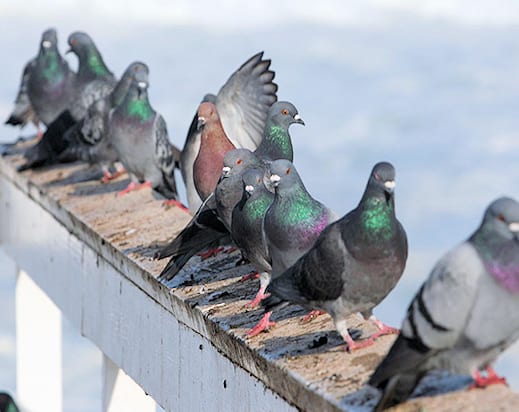
FAIRBANKS, Alaska – Twice a year, Marcus Dodge assigns a worker to don disposable coveralls and a respirator for a trip to a downtown Fairbanks parking garage to clean up deposits from a non-native species.
Dodge, director of the Fairbanks Parking Authority, estimates the worker picks up 150 gallons of pigeon dung annually and hauls it to the hazardous materials area at the landfill.
“Pigeon crap weighs a ton,” Dodge said. “It’s not a lot of fun to clean up.”
The downtown pigeon population appears to be growing, according to Dodge and others. Businesses are experimenting with ways to deter the bird, the Fairbanks Daily News-Miner reported.
Roofers last summer discovered 6 inches of pigeon guano on the roof of the Courthouse Square, the former federal courthouse.
Charlie Cole, Alaska’s former attorney general, who has kept an office in downtown Fairbanks since 1957, has been talking with neighbors about fending off the birds.
“They leave droppings around warm air outlets where they congregate,” Cole said. “I think it’s a nuisance.”
Pigeon droppings contain ammonia and uric acids that eat away at metal and the sealant on the parking garage concrete floor.
One pigeon can produce 25 pounds of guano per year, according to a government report detailing New York City’s pigeon problem. The droppings were cited as possible cause for speeding the decay of a Minneapolis bridge across the Mississippi River that collapsed in 2007 and killed 13 people.
Hunters and dog trainers introduced pigeons to Fairbanks, said Cathie Harms, spokeswoman for the Alaska Department of Fish and Game. The best way to deter them, she said, is to eliminate their food source.
“We are aware that some people are feeding pigeons,” she said. “If there wasn’t as much food, there wouldn’t be as many pigeons.”
A maintenance worker for the Springhill Suites Marriot a few months ago tried chasing them off with a recording of predator birds. The sound could be heard from a couple of blocks away and drew complaints from hotel neighbors.
Robert Franklin, a maintenance foreman for JL Properties Inc., which manages the Courthouse Square and the Northward apartment building, calls pigeons flying rats.
“They’re a hazard to the equipment. They’re a hazard to people,” he said. “They get into stuff they are not supposed to.”
He uses spike strips and moves owl decoys around to repel pigeons. Success has been mixed, he said.
Source
Pigeon Patrol
Pigeon Patrol Products & Services is the leading manufacturer and distributor of bird deterrent (control) products in Canada. Pigeon Patrol products have solved pest bird problems in industrial, commercial, and residential settings since 2000, by using safe and humane bird deterrents with only bird and animal -friendly solutions. At Pigeon Patrol, we manufacture and offer a variety of bird deterrents, ranging from Ultra-flex Bird Spikes with UV protection, Bird Netting, 4-S Bird Gel and the best Ultrasonic and audible sound devices on the market today.
Canada’s top wholesaler for bird deterrent products for twelve consecutive years.
Contact us at 1- 877– 4– NO-BIRD, (604) 585-9279 or visit our website at https://www.pigeonpatrol.ca/
Bird Gone, Pigeon Gone, Pigeon problems, pigeon spikes, 1-877-4NO-BIRD, 4-S Gel, Bird Control, Pigeon Control, bird repellent, Bird Spikes, sonic bird repellent, stainless steel bird spikes, bird spikes Vancouver, Ultra Sonic Bird Control, Bird Netting, Plastic Bird Spikes, Canada bird spike deterrents, Pigeon Pests, B Gone Pigeon, Pigeon Patrol, pest controller, pest control operator, pest control technician, Pigeon Control Products, humane pigeon spikes, pigeon deterrents, pigeon traps, Pigeon repellents, Sound & Laser Deterrents, wildlife control, raccoon, skunk, squirrel deterrent, De-Fence Spikes, Dragons Den, Pigeon, Pigeon Patrol, Pigeons Roosting, Vancouver Pigeon Control, Bird Spikes, Bird Control, Bird Deterrent, Pigeon Deterrent, Surrey Pigeon Control, Pest, Seagull deterrent Vancouver Pigeon Blog, Birds Inside Home De-fence, Pigeon Nesting, Bird Droppings, Pigeon Dropping, woodpecker control, Keep The Birds Away, Birds/rats, seagull, pigeon, woodpecker, dove, sparrow, pidgeon control, pidgeon problem, pidgeon control, flying rats, pigeon Problems, bird netting, bird gel, bird spray, bird nails, bird guard, Pigeon control, Bird deterrents, Pigeon deterrents, Bird control, solutions, Pigeon prevention, Pigeon repellent, Bird proofing, Pest bird management, Pigeon spikes, Bird netting, Humane bird control, Bird exclusion, Urban bird control, Anti-roosting devices, Pigeon removal, Bird barriers