by Pigeon Patrol | Feb 2, 2022 | MBCA, pet bird, Pigeon Control, Pigeon Droppings, Pigeon Patrol's Services, Pigeon Predators
Work with bird or bat droppings can expose workers to some serious, infectious diseases.
Bird and bat droppings
The risk from disturbing small amounts of fresh droppings is very low but grows higher from disturbing large accumulations of concentrated, dried droppings.
Histoplasmosis
Histoplasmosis is an infection caused by a fungus called Histoplasma capsulatum. It is found in soil contaminated with bird (especially pigeon) or bat droppings. People can be infected by inhaling the fungal spores. Young children, the elderly and people who have a medical condition or are undergoing medical treatment that lowers immunity are most at risk.
Cryptococcosis
Cryptococcosis is an infection caused by a fungus called Cryptococcosis neoformans. It is found in the environment, particularly in soil that is contaminated with bird (especially pigeon) droppings. People can be infected by inhaling the fungal spores. Infection is rare in people who are otherwise healthy but those with low immunity are at increased risk. Cryptococcosis commonly causes meningitis (an infection of the brain) but infection can occur in other parts of the body.
Psittacosis
Psittacosis is caused by bacteria called Chlamydia [or Chlamydophilia] psittaci. It is shed in the droppings and respiratory secretions of infected birds, including parrots, pigeons and poultry. People can be infected by inhaling the bacteria. Psittacosis generally causes a mild to moderate respiratory illness with pneumonia, but more severe illness can occur. Young children, the elderly, pregnant women and people who have a medical condition or are undergoing medical treatment that lowers immunity are most at risk.
Gastrointestinal illness
Bird and bat droppings can contain germs that cause gastrointestinal illness with symptoms of nausea, vomiting and diarrhoea. People can be infected if they inadvertently swallow the germs, usually via contaminated hands.
Who is at risk?
Workers who disturb accumulations of dried bird or bat droppings are at risk. For example:
- workers who clean, renovate or demolish buildings, roofs, bridges and other structures where birds or bats roost
- spelunkers (cave explorers) and others who work in caves or other enclosed spaces harbouring birds or bats
- pest control and animal removal specialists
- facilities maintenance workers
- heating, ventilation and air conditioning (HVAC) systems workers
- workers who handle poultry manure
- workers who work with soil or clear foliage in areas harbouring birds or bats.
Managing exposure
Eliminating exposure is the most effective way to protect workers, however this may not always be possible. Where the risk cannot be eliminated, it must be minimised.
Prevent droppings from accumulating
- Deter birds by sealing entry points, modifying roosting or nesting sites and removing food sources. Seek advice from an animal removal or pest control specialist if required.
- Regularly inspect for droppings and clean up promptly.
Cleaning large accumulations of bird and bat droppings
- Where possible, schedule cleaning activities for when the site is not being used and restrict access. Take special care if vulnerable people such as patients, elderly residents or young children could be in the affected area.
- Manage exposure to dust and aerosols from disturbing droppings. For example
- use dust barriers and ventilation controls (e.g. industrial vacuum (PDF, 0.62 MB), HEPA filtration unit)
- seal doors, windows and air vents
- avoid cleaning methods that disperse dust and aerosols (e.g. dry sweeping, high-pressure washer, household vacuum and compressed air)
- wet the droppings by applying a light mist of plain or soapy water and keep wetting the material during its removal to prevent it from drying out.
- Once the droppings are removed, clean the area thoroughly using water and detergent and then apply a disinfectant. Disinfectants require a minimum contact time to be effective. They may not work properly in the presence of organic matter such as droppings, so it is important to clean surfaces before applying disinfectant. Alternatively, use a product that is both a detergent and a disinfectant.
- Place waste in a container that can be securely sealed during storage, transport and disposal.
- Clean contaminated equipment and tools after use.
- Do not reuse contaminated building materials and debris.
- It is unnecessary to test surfaces before or after cleaning because the types of germs found in droppings are widespread in the environment.
- Consider using a professional cleaning service that specializes in removing this type of waste.
Personal hygiene practices
Workers should adopt personal hygiene practices.
- Wash hands thoroughly with soap and water before eating, drinking and smoking, after contact with droppings and after removing personal protective equipment (PPE).
- If using a waterless hand sanitiser make sure it contains an alcohol content of at least 60 per cent, use only on visibly clean hands and wash your hands with soap and water at the first opportunity.
- Check your skin before starting work and cover any cuts and other broken skin with a clean, dry dressing. If you sustain a wound at work, clean and cover it straight away.
- Avoid touching your face and do not eat, drink or smoke when working with droppings.
- Wash or shower after finishing work.
Workers must be provided with washing facilities (PDF, 0.57 MB). This should include clean running water, soap and paper towel or an air hand dryer. Field workers should be provided with portable hand washing facilities. Use handwashing signage to remind workers to wash their hands.
Workers must also be provided with first aid facilities, clean eating facilities and drinking water.
Information, training, instruction and supervision
Provide workers with information about:
- health risks from work with bird and bat droppings
- safe work procedures
- selection and use of PPE
- hand washing practices.
Personal protective equipment
Workers should wear a properly fitted (PDF, 0.86 MB) particulate respirator when disturbing dried bird or bat droppings to prevent inhaling dust and aerosols. For major clean-up work, additional PPE including gloves, protective clothing, safety eyewear and boot covers should be worn. Take care to avoid heat stress when wearing multiple items of PPE, especially when working in hot and humid conditions.
Source
Pigeon Patrol Products & Services is the leading manufacturer and distributor of bird deterrent (control) products in Canada. Pigeon Patrol products have solved pest bird problems in industrial, commercial, and residential settings since 2000, by using safe and humane bird deterrents with only bird and animal friendly solutions. At Pigeon Patrol, we manufacture and offer a variety of bird deterrents, ranging from Ultra-flex Bird Spikes with UV protection, Bird Netting, 4-S Bird Gel and the best Ultrasonic and audible sound devices on the market today.
Voted Best Canadian wholesaler for Bird Deterrent products ten years in a row.
Contact us at 1- 877– 4– NO-BIRD, (604) 585-9279 or visit our website at www.pigeonpatrol.ca
Pigeon/Pigeon Patrol / Pigeons Roosting / Vancouver Pigeon Control /Bird Spikes / Bird Control / Bird Deterrent / Pigeon Deterrent? Surrey Pigeon Control / Pest /Seagull deterrent / Vancouver Pigeon Blog / Birds Inside Home / Pigeons in the cities / Ice Pigeons/ What to do about pigeons/ sparrows , Damage by Sparrows, How To Keep Raccoons Away, Why Are Raccoons Considered Pests/ De-fence / Pigeon Nesting/ Bird Droppings / Pigeon Dropping/ woodpecker control/ Professional Bird Control Company/ Keep The Birds Away/ Birds/rats/ seagull/pigeon/woodpecker/ dove/sparrow/pidgeon control/pidgeon problem/ pidgeon control/flying rats/ pigeon Problems/ bird netting/bird gel/bird spray/bird nails/ bird guard
by Pigeon Patrol | Jan 25, 2022 | Pigeon Droppings, Pigeon Patrol's Services, Pigeon Predators, Pigeon Spikes, Pigeons, Pigeons in the News
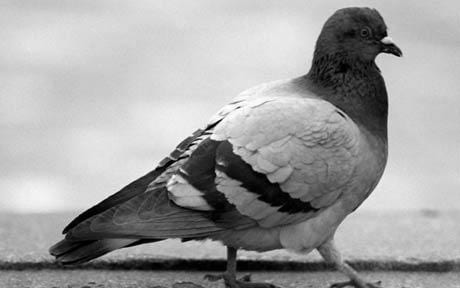
Even the bird-brained can follow a leader. When pigeons fly in flocks, each bird falls behind another with better navigational skill, and the savviest among them leads the flock, scientists report in the April 8 Nature.
The research suggests hierarchies can serve peaceful purposes in the animal kingdom, where dominance by brute force is often the rule. “A pecking order tends to be just that — a pecking order,” says Iain Couzin of Princeton University, an expert in collective behavior who was not involved in the research.
The research also suggests that for pigeons, dominance isn’t set in stone. While one bird often emerged as the leader, other birds also stepped up. This flexibility in leadership had previously been seen only in some small groups of fish.
From schools to packs to swarms to flocks, collective behavior is widespread among animals. But in many cases, the important interactions are with nearest neighbors, and control of the group’s movement is distributed among members rather than hierarchical.

Biological physicist Tamás Vicsek of Eötvös Loránd University in Budapest and his colleagues studied flight dynamics in homing pigeons, which fly in flocks but conveniently return to their roosts. The researchers outfitted 13 pigeons with tiny backpacks carrying GPS devices that measured shifts in birds’ flight direction five times per second. Flocks of eight to 10 birds flew with the devices during homing flights (a roughly 14-kilometer trip back to the roost) and spontaneous “free” flights near home. Each bird also flew solo flights of about 15 kilometers each.
Analysis of GPS logs showed that for each excursion, the flock had one leader followed by at least three or four other birds. Each of these followers was in turn followed by other birds in the flock. Comparing the solo flight paths to the group flights showed that the birds with the best navigational skills led the flock.
While flocks have hierarchies, they’re not dictatorships, notes Vicsek. One bird led eight of the 13 flights, while other birds took the lead on the rest of the trips. Vicsek likens the dynamics to a group of peers deciding where to eat dinner. “Maybe someone knows the area restaurants best, or there is a person who’s a gourmand — or maybe they are the most outspoken,” he says. This one person might pick the place to eat for several nights, although another person might chime in now and then. And then there is the person with no say, whom everyone knows has terrible taste in food.
“These pigeons know each other. They know which is the smartest. The fastest bird will even follow the slower one who knows the way home the best,” say Vicsek. Videos of the birds’ positions during flight showed that if the best navigator moves a little to the left, it takes about a third of a second for other birds to do the same. But if the least savvy bird makes a move “the others don’t care,” Vicsek says.
Pigeons’ brains may be wired for follow-the-leader, comments behavioral neuroscientist Lucia Jacobs of the University of California, Berkeley. When the left eye sees something, for example, it sends all the visual information to the right brain hemisphere, and vice versa. This “extreme lateralization” may play a role in organizing flocks, the new work suggests. A pigeon following another was most likely to be flying on its partner’s right, seeing this leader with its left eye. “It’s very cool,” Jacobs says.
Source
Pigeon Patrol Products & Services is the leading manufacturer and distributor of bird deterrent (control) products in Canada. Pigeon Patrol products have solved pest bird problems in industrial, commercial, and residential settings since 2000, by using safe and humane bird deterrents with only bird and animal friendly solutions. At Pigeon Patrol, we manufacture and offer a variety of bird deterrents, ranging from Ultra-flex Bird Spikes with UV protection, Bird Netting, 4-S Bird Gel and the best Ultrasonic and audible sound devices on the market today.
Voted Best Canadian wholesaler for Bird Deterrent products ten years in a row.
Contact us at 1- 877– 4– NO-BIRD, (604) 585-9279 or visit our website at www.pigeonpatrol.ca
Pigeon/Pigeon Patrol / Pigeons Roosting / Vancouver Pigeon Control /Bird Spikes / Bird Control / Bird Deterrent / Pigeon Deterrent? Surrey Pigeon Control / Pest /Seagull deterrent / Vancouver Pigeon Blog / Birds Inside Home / Pigeons in the cities / Ice Pigeons/ What to do about pigeons/ sparrows , Damage by Sparrows, How To Keep Raccoons Away, Why Are Raccoons Considered Pests/ De-fence / Pigeon Nesting/ Bird Droppings / Pigeon Dropping/ woodpecker control/ Professional Bird Control Company/ Keep The Birds Away/ Birds/rats/ seagull/pigeon/woodpecker/ dove/sparrow/pidgeon control/pidgeon problem/ pidgeon control/flying rats/ pigeon Problems/ bird netting/bird gel/bird spray/bird nails/ bird guard
by Pigeon Patrol | Jan 4, 2022 | Pigeon Predators, Pigeon Spikes, Pigeons, Pigeons in the News, Raccoons, Sparrows
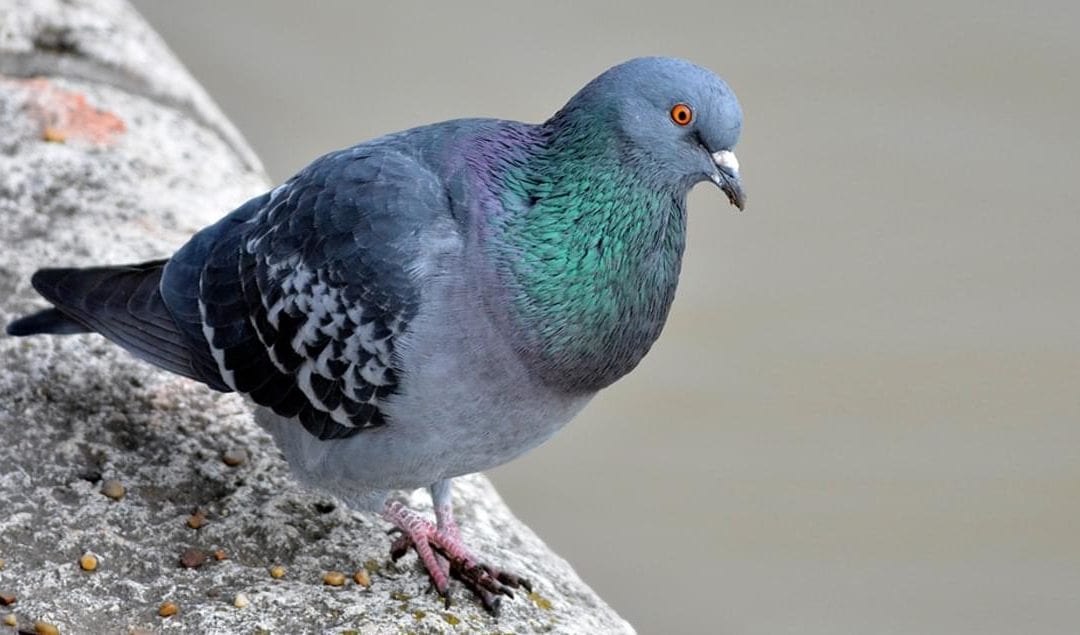
Pigeons are those cute, plump little birds that seem to pop up everywhere. From the Rock Pigeon to the Mourning Dove, there are many different types of these birds roaming in the city and country. One unique habit of these birds is the way they nest. They have a unique way of building their nests, taking turns sitting on the eggs, and then taking care of their young in that nest. We have all you need to know about pigeon nesting habits.
Pigeon Nest Locations
The main requirement for a pigeon nesting site is that it is dry and protected on a flat surface. They usually like to nest in attics, on roofs, ledges, eaves, and under bridges. Their natural nesting site would be on a rocky cliff crevice or in a cave. This is why they typically nest on high, flat ledges.
Courting And The Nest
The nest isn’t a true home until a male pigeon finds his mate. The male starts to build the nest while calling out for a mate. He’ll sit on the nesting site until he attracts his lady. He will often strut around cooing at his favorite lady. If the female is interested, she will return the favor. The two will “kiss” by billing each other. After the male pigeon attracts his favorite female pigeon, he will start searching for nesting material. He does not want to waste any time. He will start to bring her one twig at a time. If the female pigeon doesn’t stay up to his pace, he will drive her into the nest and strike her with his wings. Finally, the female will take the twigs he has brought her, tucking them underneath her as the nest starts to build around her. Pigeons usually remain together for eternity. They usually mate in pairs. After they go through their dating stage and mate, it’s time to have squabs. If one of the pigeons passes away or is somehow separated, one will mate with another single bird. During the day, the male sits on the completed nest that usually contains one or two eggs. The female will take her turn overnight. Pigeons nest throughout the year. They might have 10 squabs each year.
The Look Of A Pigeon Nest
If you stumble upon a pigeon’s nest, it’s not a pretty sight. It looks like a mess of grass stems, pine needles, twigs, sticks, and other debris. It’s piled up with a small depression in the middle. A nest is used throughout the year, so it will start to accumulate more droppings and feathers. Many birds remove droppings from the nest, but pigeons do not. The droppings start to essentially glue together all of the nesting materials. After a brood is pushed out of the nest, the pair uses the same site for the next brood. They simply add new nesting material. These “new” nests may include mummies of pigeons that didn’t survive and unhatched eggs. A nest that is reused multiple years may grow up to eight inches tall and 20 inches wide. They may weigh almost five pounds.
Nest Eggs
The female usually lays about two eggs within the first few days of nesting. One unique thing about pigeons is that both the male and female will sit on the eggs to insulate them. Most of the time, the female will be in the nest from the middle of the afternoon to the middle of the morning. This will go on for about 18 days.
The young pigeons called “squabs” are born covered in yellow down. While the squabs are in the nest, they eat crop milk. Crop milk is thick regurgitated liquid that comes straight from the parents’ mouth. Squabs are fed this way for about ten days when they can start eating what the adult female and male pigeon eat. The squabs will double their size in about two days. This makes baby pigeons one of the fastest growing vertebrates. In two weeks, baby pigeons will get their flight feathers. They’re covered in feathers by their third week of life. Their tail will completely full of feathers by their 28th day of life. It’s now time to leave the nest. The time that a squab is in their nest is about 15 days longer than most backyard birds. Once the pigeon is gone, the female pigeon will begin laying new eggs almost every month.
Getting A Glimpse Of Squabs
Many people wonder why they never see baby pigeons. This is because baby pigeons love their nest. They hang out in their nest as their feathers grow in. Squabs are a tasty dinner, so it’s important they stay in their nest so they aren’t eaten. The baby pigeons will finally leave their nest when they are full grown. The short, fat pigeons that are usually seen on your lawn, woodpigeons, you’ll be able to identify a young pigeon because they don’t have a white flash on their neck until they’re adults. Getting a glimpse of these babies is tough because they’re well protected and don’t need to leave until it’s time.
Unique Eating In The Nest
If you are lucky enough to observe baby pigeons, you’ll notice their feeding cycle is unique to other birds. Besides eating their crop milk, they have other special patterns. Either the female or the male will feed the squabs. Once the parent lands near their nest, it seems to be a race as to which bird will be the first to insert their tiny beak to get that food. The parents stay dedicated to feeding their babies until they’re able to leave the nest. Every day, one or the other would arrive with food for the young birds.
NOTE: though tempting, if you stumble upon a pigeon nest, try to resist the urge to feed the squabs yourself. It’s important that they get fed by mom or dad. If you want to help out and do your part, the adult pigeons would probably love some pigeon seed.
Returning Home
Pigeons are loyal to their nests. As we mentioned before, they have numerous broods in one nest. These birds are known to return to whatever their home may be. Pigeons were used to carry messages are far back as 2500 BC, The ancient Greeks and Romans used them to carry messages, then Persia and Syria made a messaging service with pigeons. In the 19th century, pigeons carried messages for news agencies and financial institutions and news agencies in Europe and even providing an airmail service in New Zealand. The point is that pigeons are a bird that know how to take a message somewhere then return home. They can gather food all day, then return to their nest without any issues.
Pigeon Nests And You
Depending on where you live, you may want to help provide nests for the local pigeons (or alternatively if there are too many pigeons around already, possibly deter them from nesting in your area). Here are some tips:
Providing Nests
If you are in a place where you can provide a nest for pigeons, it’s important that each pair of birds gets at least two nests. This is because pigeons usually have a few broods of squads. They need two nests so they can adequately care for each brood of the baby pigeons or their eggs. Their nest should be build twelve inches square. You should always attach a three-inch long perch. They prefer tobacco stems, straw, or hay as the base of a constructed nest.
Deterring Nests
If you would rather your home not become a nest for these sweet squabs, you should keep things very clean. Pigeons like to build nests in a place of shelter. They don’t like a lot clutter or clamor. They usually make their nests when no one is using an areas. If you don’t want them on your patio, make sure to keep it swept. They love to pick up leftover debris to make nests.
Moving A Nest
It’s important to never move a pigeon’s nest. It might seem normal if you think they might be in danger, but a nest location is critical to their survival. Only licensed professionals can move a pigeon’s nest. Pigeons don’t have a sense of smell to find their new nesting location. If you move a nest, the parent may abandon their young. This is critical because squabs need parents, even after they have left the nest. The male and female pigeon will still show their young how to escape from predators, fly, and integrate with the flock. If you need to move a nest, it is best to wait a few months until the squabs are for sure out and about on their own. The parents will be forced to make a new nest elsewhere for their next brood.
Backyard Tips
You may spot a pigeon in your backyard. They are attracted to large, open areas where it is easy for them to find food places on the ground. The only issue with this is that ground food can attract rodents. It’s usually best to only feed pigeons when you see them in your yard. They enjoy peas, dried corn, or sorghum.
Final Words
A pigeon nest is a unique home that can house hundreds of birds over time. Each brood is full of new squabs hungry for their new life. If you get a chance to see a squab in their pigeon nest, take note of the excitement. The nest is an artistic place where parents can raise dozens of little squabs until they’re ready to bust into the world on their own.
Pigeon Patrol Products & Services is the leading manufacturer and distributor of bird deterrent (control) products in Canada. Pigeon Patrol products have solved pest bird problems in industrial, commercial, and residential settings since 2000, by using safe and humane bird deterrents with only bird and animal friendly solutions. At Pigeon Patrol, we manufacture and offer a variety of bird deterrents, ranging from Ultra-flex Bird Spikes with UV protection, Bird Netting, 4-S Bird Gel and the best Ultrasonic and audible sound devices on the market today.
Voted Best Canadian wholesaler for Bird Deterrent products ten years in a row.
Contact us at 1- 877– 4– NO-BIRD, (604) 585-9279 or visit our website at www.pigeonpatrol.ca
Pigeon/Pigeon Patrol / Pigeons Roosting / Vancouver Pigeon Control /Bird Spikes / Bird Control / Bird Deterrent / Pigeon Deterrent? Surrey Pigeon Control / Pest /Seagull deterrent / Vancouver Pigeon Blog / Birds Inside Home / Pigeons in the cities / Ice Pigeons/ What to do about pigeons/ sparrows , Damage by Sparrows, How To Keep Raccoons Away, Why Are Raccoons Considered Pests/ De-fence / Pigeon Nesting/ Bird Droppings / Pigeon Dropping/ woodpecker control/ Professional Bird Control Company/ Keep The Birds Away/ Birds/rats/ seagull/pigeon/woodpecker/ dove/sparrow/pidgeon control/pidgeon problem/ pidgeon control/flying rats/ pigeon Problems/ bird netting/bird gel/bird spray/bird nails/ bird guard
by Pigeon Patrol | Dec 24, 2021 | Pigeon Patrol's Services, Pigeon Predators, Pigeon Spikes, Pigeons, Pigeons in the News
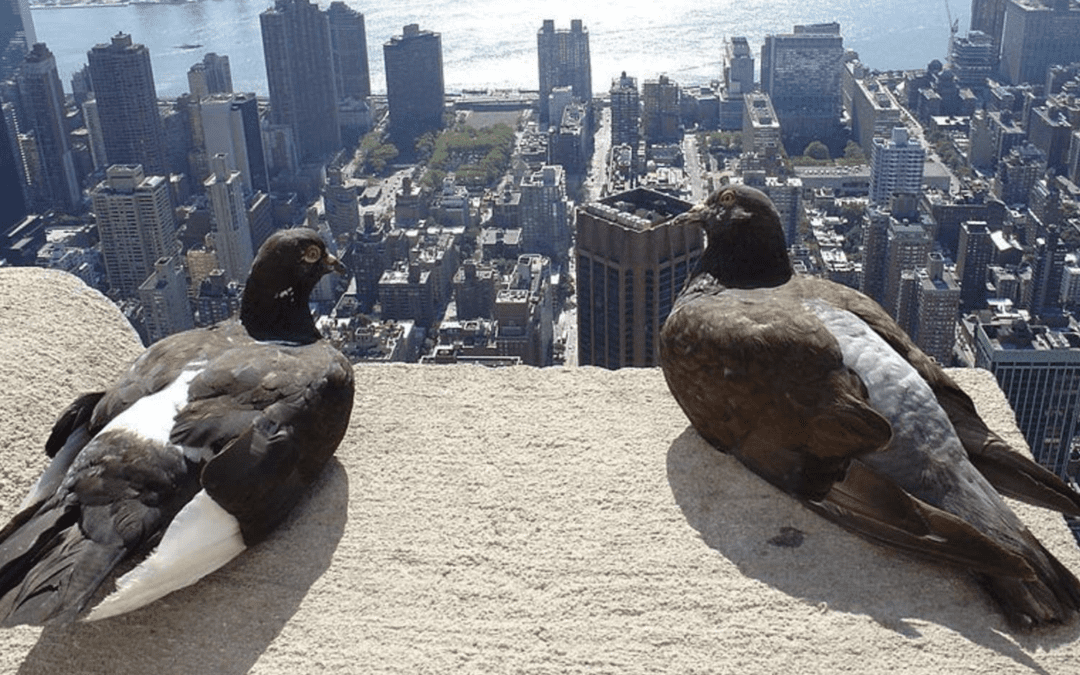
Pigeons may seem harmless, but these pest birds cause millions of dollars in damage every year to buildings, ventilation systems, machinery, statues, roofs, and much more. Bird droppings and nesting materials left by pigeons pose physical problems and health hazards that can become very serious if not corrected quickly making prompt and effective professional bird control is often essential.
Potential Health Hazards:
There are many health risks associated with pigeons and their droppings. The bacteria, fungi, and ectoparasites that they and their droppings harbor are numerous. The four most common ways disease is passed by bird to human are: inhalation of fecal dust, food and water contaminated with bird feces, direct contact with feces, and parasitic transfer.
Pigeon droppings can expose humans to many diseases, including salmonella, Newcastle disease, candidiasis, encephalitis, orthosis, and toxoplasmosis. In addition, they can also carry cryptococcosis, and coccidiodomycosis, which cause meningitis. The droppings may also harbor growth of fungus, which causes histoplasmosis. Fleas, lice, mites, and other pests often live on these birds, hitching a ride to where ever they want to jump off. Pigeons may also attract other pests, such as rats, which feed on dead pigeons and food that well-intentioned bird lovers may scatter for them.
In addition to disease, bird droppings are known for triggering  people to slip and fall, which makes it especially important to rid the birds from highly trafficked areas.
Damage Caused by Pigeons:
These are messy birds, leaving droppings everywhere they go, particularly near their roost sites. Pigeon droppings are not just gross, they are also full of uric acid which makes them extremely corrosive. The droppings are the direct cause of millions of dollars in damage to buildings and other structures. Particularly vulnerable are painted surfaces, awnings, signs, and other similar surfaces. A tragic example of the corrosiveness of pigeon droppings is the Minnesota bridge accident in 2007, which was found to be the direct result of bird droppings eating away at the metal bridge supports until they weakened.
In addition to the damage cause by their acidic droppings, pigeon nests can also cause damage. Pest birds will often build nests in gutters or on roof corners blocking essential drainage systems. Every year several warehouses experience roof damage, and even collapse, when drainage systems have been blocked and standing water rises just six inches. Bird nests can also block ventilation systems, which not only prevents exhaust of potentially harmful gases, but also has the potential to spread diseases. Fire is also a potential hazard. Nesting materials are usually flammable, consisting of twigs, straw, grasses and dried droppings. When pest birds build their nests inside electric signs or other machinery there is a great risk of fire.
Pigeons are creatures of habit and highly social. Once they have found a cozy spot the will return again and again, bringing along more of their pigeon pals. Prolific breeders, pigeons can hatch several broods a year, sometimes even laying a new clutch before the previous have even hatched. Often our buildings and structures have architectural features such as drain spouts and eaves that make perfect nesting spots for these birds. Pigeons are comfortable around humans and they’re hard to scare away or deter. Once a flock of stubborn unwanted pigeons have set up shop in/on your building, it can be stubbornly resistant to removal, often requiring the services of a pest control or animal control professional. As is true of many pests that invade our homes and businesses, the first step to controlling feral pigeons is to remove their food source.
Tips to deter pigeons:
- Don’t feed the pigeons.
- Screen drains and gutters to make your property less attractive to pigeons.
- Encourage children to pick up spilled food – and teach them NOT to feed pigeons
- Keep areas around trash bins and outdoor dining areas clean
- Eliminate water sources such as bird baths, over-watered lawns, or kiddy pools.
Source
Pigeon Patrol Products & Services is the leading manufacturer and distributor of bird deterrent (control) products in Canada. Pigeon Patrol products have solved pest bird problems in industrial, commercial, and residential settings since 2000, by using safe and humane bird deterrents with only bird and animal friendly solutions. At Pigeon Patrol, we manufacture and offer a variety of bird deterrents, ranging from Ultra-flex Bird Spikes with UV protection, Bird Netting, 4-S Bird Gel and the best Ultrasonic and audible sound devices on the market today.
Voted Best Canadian wholesaler for Bird Deterrent products ten years in a row.
Contact us at 1- 877– 4– NO-BIRD, (604) 585-9279 or visit our website at www.pigeonpatrol.ca
Pigeon/Pigeon Patrol / Pigeons Roosting / Vancouver Pigeon Control /Bird Spikes / Bird Control / Bird Deterrent / Pigeon Deterrent? Surrey Pigeon Control / Pest /Seagull deterrent / Vancouver Pigeon Blog / Birds Inside Home / Pigeons in the cities / Ice Pigeons/ What to do about pigeons/ sparrows , Damage by Sparrows, How To Keep Raccoons Away, Why Are Raccoons Considered Pests/ De-fence / Pigeon Nesting/ Bird Droppings / Pigeon Dropping/ woodpecker control/ Professional Bird Control Company/ Keep The Birds Away/ Birds/rats/ seagull/pigeon/woodpecker/ dove/sparrow/pidgeon control/pidgeon problem/ pidgeon control/flying rats/ pigeon Problems/ bird netting/bird gel/bird spray/bird nails/ bird guard
by Pigeon Patrol | Dec 24, 2021 | 4-S Gel Bird repellent, Animal Deterrent Products, Doves, history of pigeons, Pigeon Predators, Pigeon Spikes
In urbanized areas, pigeons are part of the daily life of city dwellers. We see them strolling on the sidewalks without fear of passers-by and cooing under bridges over passing cars. As such, the pigeon is not really a problematic bird species, but when perched, it can release an impressive amount of droppings on anything below. If you are facing this problem, whether inside or outside your home and want to deal with it, here’s how to clean up pigeon droppings.
Preliminary measures before cleaning pigeon droppings
Cleaning pigeon droppings involves removing the guano from the outside or inside of a building after the animal has been removed. Pigeon droppings are generally not harmful to health, except in extreme cases. On the other hand, they can strongly affect the appearance of a building, cause odours and attract insects. Except in certain unusual situations, you can remove the pigeon droppings yourself, unless the extent of the problem is beyond your control or you are experiencing breathing problems. At such times, it may be appropriate to hire the services of a residential exterminator.
Whether the pigeon droppings to be cleaned are on the front of your building or in your attic, the same process can be used. But before you rush to buy products or start cleaning the area, a health and safety risk assessment is essential, especially if the work will be done at height.
It is also recommended to take certain preliminary measures. A face mask, disposable coveralls and rubber gloves must be worn at all times, as well as safety glasses and a good pair of boots.
Products used to kill bacteria in pigeon droppings
There are many cleaning products developed especially for bird droppings. First, there are disinfectants, designed to kill bacteria and organisms, and simple cleaning agents, which, as their name suggests, are simply designed to clean. In most cases, a bucket of hot soapy water containing a little household detergent is a simple but ideal cleaning solution.
Cleaning pigeon droppings is no different from any other thorough cleaning work. With the right equipment, the work will be done quickly. To remove the guano on window sills and the like, a scraper is all you need to remove it. Moisten overly dry guano to soften it before removing it and reduce the amount of dust thrown into the air. Once all pigeon droppings have been scraped and removed from the surface, simply wash the area with a brush and the cleaning solution mentioned above.
What should be done with the excrement next? Small quantities of pigeon guano can be safely disposed of in a domestic or commercial waste bin.
When pigeon droppings become too overwhelming
Urban life means living with a host of animal species, including pigeons. Although this bird is not a threat to human health, the droppings it produces are never desirable, either outside or inside a building. Fortunately, with the right equipment, it is quite easy to remove pigeon droppings.
Source
Pigeon Patrol Products & Services is the leading manufacturer and distributor of bird deterrent (control) products in Canada. Pigeon Patrol products have solved pest bird problems in industrial, commercial, and residential settings since 2000, by using safe and humane bird deterrents with only bird and animal friendly solutions. At Pigeon Patrol, we manufacture and offer a variety of bird deterrents, ranging from Ultra-flex Bird Spikes with UV protection, Bird Netting, 4-S Bird Gel and the best Ultrasonic and audible sound devices on the market today.
Voted Best Canadian wholesaler for Bird Deterrent products ten years in a row.
Contact us at 1- 877– 4– NO-BIRD, (604) 585-9279 or visit our website at www.pigeonpatrol.ca
Pigeon/Pigeon Patrol / Pigeons Roosting / Vancouver Pigeon Control /Bird Spikes / Bird Control / Bird Deterrent / Pigeon Deterrent? Surrey Pigeon Control / Pest /Seagull deterrent / Vancouver Pigeon Blog / Birds Inside Home / Pigeons in the cities / Ice Pigeons/ What to do about pigeons/ sparrows , Damage by Sparrows, How To Keep Raccoons Away, Why Are Raccoons Considered Pests/ De-fence / Pigeon Nesting/ Bird Droppings / Pigeon Dropping/ woodpecker control/ Professional Bird Control Company/ Keep The Birds Away/ Birds/rats/ seagull/pigeon/woodpecker/ dove/sparrow/pidgeon control/pidgeon problem/ pidgeon control/flying rats/ pigeon Problems/ bird netting/bird gel/bird spray/bird nails/ bird guard
by Pigeon Patrol | Dec 16, 2021 | Bird Spike, Pigeon Predators, Pigeon Spikes, Pigeons, Pigeons in the News, Raccoons
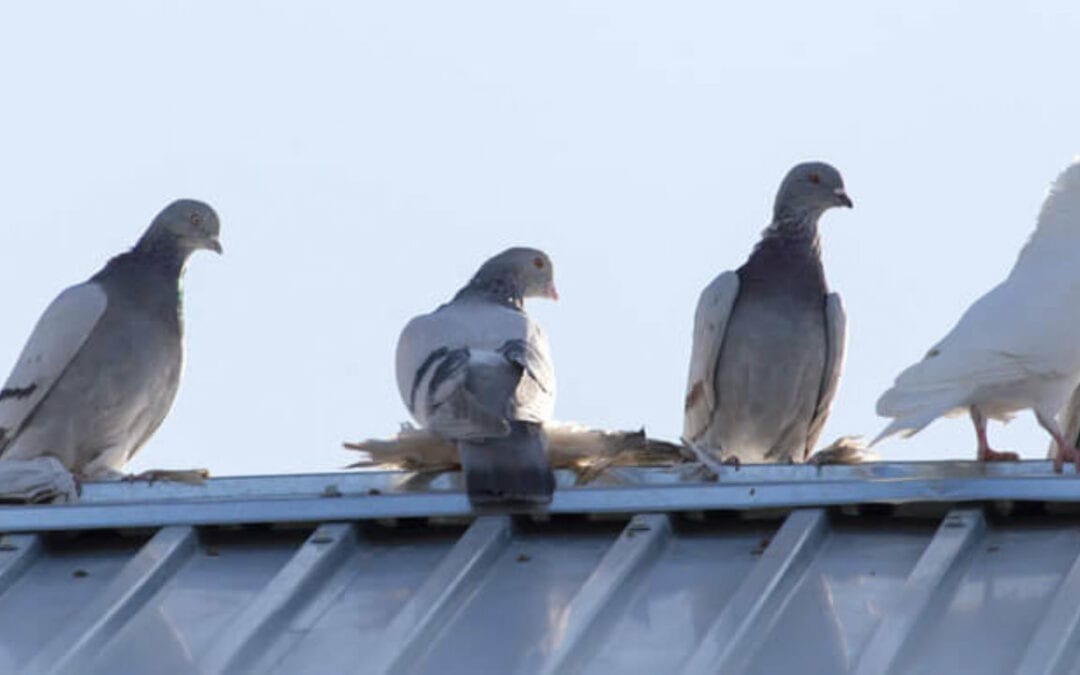
How does a lone pigeon get back home? Does it choose the fastest, the easiest or the safest route?
As flying takes a lot of energy, birds generally adapt their flight speed and trajectory to reduce how much they use.
Now researchers at Swansea University have been using high-tech tags to study homing pigeons and to discover if these crucial decisions could be linked to helping them avoid attack by predators.
When the team monitored pigeons as they flew back to their loft at the Max Planck Institute of Animal Behaviour in Germany, they observed that the birds did sometimes adopt energy-efficient flight styles such as starting their climbs ahead of hills to reduce their climb angle. But they also saw pigeons using up energy by flying at high speeds.
Baptiste Garde, of the University’s Swansea Lab for Animal Movement (SLAM) led the new research which has just been published by the journal Royal Society Open Science
He said: “This might suggest that pigeons are just trying to get home as fast a possible, but by comparing the variation in their flight speed and altitude to those of an ultralight aircraft following the same path, we found that pigeon altitude and speed was, in fact, very variable.
“Flying this way is neither efficient in terms of time nor energy, but it might have an unexpected advantage. Indeed, if we look at the trajectory of a rabbit on the run, or a snipe flying away, we can see that they make unpredictable sharp turns to confuse their predators.
“That is what we call a protean behaviour. Pigeons might be using the same strategy to increase their chances of avoiding an attack.
“Protean flight has only been described in a handful of birds up until now but we think that it might be a relatively common behaviour, with birds flying in a more unpredictable way when they fly solo.”
Source
Pigeon Patrol Products & Services is the leading manufacturer and distributor of bird deterrent (control) products in Canada. Pigeon Patrol products have solved pest bird problems in industrial, commercial, and residential settings since 2000, by using safe and humane bird deterrents with only bird and animal friendly solutions. At Pigeon Patrol, we manufacture and offer a variety of bird deterrents, ranging from Ultra-flex Bird Spikes with UV protection, Bird Netting, 4-S Bird Gel and the best Ultrasonic and audible sound devices on the market today.
Voted Best Canadian wholesaler for Bird Deterrent products ten years in a row.
Contact us at 1- 877– 4– NO-BIRD, (604) 585-9279 or visit our website at www.pigeonpatrol.ca
Pigeon/Pigeon Patrol / Pigeons Roosting / Vancouver Pigeon Control /Bird Spikes / Bird Control / Bird Deterrent / Pigeon Deterrent? Surrey Pigeon Control / Pest /Seagull deterrent / Vancouver Pigeon Blog / Birds Inside Home / Pigeons in the cities / Ice Pigeons/ What to do about pigeons/ sparrows , Damage by Sparrows, How To Keep Raccoons Away, Why Are Raccoons Considered Pests/ De-fence / Pigeon Nesting/ Bird Droppings / Pigeon Dropping/ woodpecker control/ Professional Bird Control Company/ Keep The Birds Away/ Birds/rats/ seagull/pigeon/woodpecker/ dove/sparrow/pidgeon control/pidgeon problem/ pidgeon control/flying rats/ pigeon Problems/ bird netting/bird gel/bird spray/bird nails/ bird guard