by Pigeon Patrol | Jan 13, 2020 | Animal Deterrent Products, Bird Deterrent Products, Bird Netting, Bird Spike, Bird Spikes, Pigeon Control, Pigeon Droppings, Pigeon Patrol's Services, Pigeon Spikes
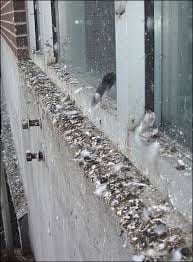
Bird droppings on building window
Feral pigeons (Columbia livia) are not harmless birds. Many potential infections of humans silently exist in pigeons which are not apparent. They have the potential for transmission of over 30 diseases to humans plus another ten to domestic animals. Environmental pollution from pigeon droppings is quite evident. Air pollution involves more than noxious gases from automobile exhausts and belching smokestacks. One serious air pollutant is air-borne fungi, which are agents for infectious diseases. There is much information written about the problem, but it remains primarily in the professional journals and technical references, neatly stacked away on library shelves. The objective of this paper is to provide a brief account of the major diseases and to assess their importance. Feral pigeons have been identified with mycotic, bacterial, protozoal, chlamydial, rickettsial, and parasitic diseases as well as dermatosis (Weber 1979). MYCOTIC diseases are not transmitted from humans to humans. Perhaps this is why they do not make the headlines. The fungi causing the diseases are acquired by inhaling the fruiting bodies or spores along with particles of dust. The fungi live saprophytically in feces and soil. Aspergillosis is caused by Aspergillus fumagatus. The fungus produces toxins which poison the victim’s blood. Pigeons assist the spread of the spores in airborne dust. Blastomycosis is caused by Blastomyces dermatitidus. It primarily affects the lungs; the main route of infection is by inhalation of spores. The organism has been isolated from pigeon manure. Candidiasis is caused by Candida spp., chiefly C. albicans. Nearly one-fourth of all mycotic deaths are caused by this yeast. It often affects the mouth, respiratory system, intestines, and urogenital tract, especially the vagina. Incidence of candidiasis (yeast infection) in women is an increasing problem. The discomfort of the itching, pain, and discharge caused by the growth of this fungus is.
ignificant enough to warrant the elimination of pigeons which are one of the three wild birds most frequently infected with Candida. Cryptococcosis is caused by a systemic pathogenic yeast called Cryptococcosus neoformans. No organ or tissue of the body is exempt. It very frequently involves the brain covering as cryptococcal meningitis. One Indianapolis victim spent 91 days in the hospital with cryptococcosis. The yeast is carried in the intestinal tract of pigeons and deposited in their feces (Newberry 1967). One Kansas City survey showed that 93% of the pigeon coops were infected. Histoplasmosis is caused by Histoplasma capsulatum. It is interesting to note that the disease was suggested at one time as a biological warfare agent because of its airborne route (Furcolow, personal communication, 1960). It is probably the second most significant fungus disease. The “summer flu” that midwesterners used to get is now thought to have been histoplasmosis (Personal communication, American Lung Association, 1974). It is basically a pulmonary disease but may extend to the liver, lymph nodes, and spleen. The organism may disseminate to the blood and bone marrow and be fatal. It may lodge in the eye to cause ocular histoplasmosis. Twenty-two cases were reported to the Indiana Board of Health in 1976. Pigeon feces fertilize the soil in such a way as to give the fungus competitive advantage over other soil microorganisms. The largest outbreak ever recorded occurred in Indianapolis during the winter of 1978-79 with over 450 confirmed cases. There were 18 deaths. BACTERIAL DISEASES identified with pigeons are listed. Erysipeloid generally starts in a break in the skin and is accompanied with a sensation of burning, throbbing pain, and intense itching. It is caused by Erysipelothrus insidiosis. Pigeons are involved in its transmission. Listeriosis is caused by Listeria monocytogenes. It causes changes in the cells of the nervous system. It may cause conjunctivitis, endocarditis, and skin infections. It can also cause meningitis in newborns, abortions, premature delivery, stillbirths, and death. The organism has been isolated from pigeons. Parteurellosis is caused by a highly contagious bacteria, Pasteurella multicida. The 157 disease may be divided in four groups of syndromes: 1) infection of the upper respiratory tract as nasal discharge or conjuntivitis, 2) infection of the lower respiratory tract as bronchitis or pneumonia, 3) infecton of internal organs as appendicitis or inflammation of the urinary tract, 4) abscessed wound infections. Pigeons can spread the bacteria through their droppings or nasal discharge. The organism can live as long as a month in pigeon manure or three months in a dead pigeon. Salmonellosis is more than food poisoning. Gastroenteritis is the most common manifestation. Enteric fever or septicemia may follow several weeks later as a relapse. Septicemias often terminate fatally. Persistent infections are less common but very important. There may be an abscess or local infection as arthritis, bronchopneumonia, endocarditis, meningitis, osteomyelitis, or pyeleonephritis. Pigeons are important in the spread of salmonellae, since the bacteria are left wherever the pigeons defecate (MÜller 1965). They trample back and forth through their copious excretion on window ledges and air intake vents. Dusts to contaminate food or homes enter through air conditioners and ventilators. The most common salmonella Isolated from pigeons is Salmonella typhimurum var. Copenhagen, which is found in about 2% of pigeon feces (MÜller 1965). Yersiniosis is a plague-like disease by Yersinia pseudotuberculosos and Y. enterocolitica. The disease is clinically indistinguishable from appendicitis. Both diseases cause fever, nausea, headache, hard and painful stomachs. Because of the similarity, there were 32 school children hospitalized in Oneida County, New York in September 1976. Fourteen were reported to have had unnecessary appendectomies. Y.enterocolitica serotype 8 was isolated from the ill children. It was first isolated from pigeons in 1916. Transmission may be through the feces, eggs, or ticks of pigeons (Hubert 1972). PROTOZOAN diseases include American trypansomiasis, toxoplasmosis, and trichomoniasis. American trypanosomiasis is caused by Trypanosoma cruzi. There is no vaccine, effective treatment, or cure for the disease. It is transmitted through the feces of infected triatimid bugs, as the pigeon kissing bug (Triatoma rubrofasciata). The bugs tend to feed at night while the victim is asleep the bug defecates during or soon after engorgement, and most human infections occur when the bug feces are rubbed into eyes or mucous membranes following a bite. Toxoplasmosis may be one of the most widespread zoonotic diseases in the United States. It is caused by Toxoplasma gondii. It has been shown to cause abortions in women (W.J. Schneider, personal communication, 1977). The organism seems to have an affinity for brain tissue; it may cause mental retardation and death. Pigeons frequently transmit toxoplasmosis through fecal contamination, respiratory droplets, eye secretions, contact with infected tissue, or through ectoparasites. Trichomoniasis is caused by Trichomonas gallinae. It may affect the genital tract. Pigeons are considered the primary host, with about 80-90% of the adults infected. VIRAL diseases include encephalitis, meningitis, and Newcastle. Eastern equine encephalomyelitis (EEE) is the most deadly of the North American arbovirus diseases. It has been known to cause mental retardation, convulsions, and paralysis. The mortality rate may be around 60%. Pigeons are considered an amplifying host for the virus (Fothergill et. al. 1938). St. Louis encephalitis (SLE) affects the nervous system, ranging from complete recovery to disorganization, paralysis, coma, and death. The mortality rate is usually 5-10%, in some cases up to 33%. Pigeons, English sparrows, and house finches are the three birds labeled as main reservoirs of SLE. West Nile encephalitis ranges from mild to fatal Infections. The virus has been isolated from pigeons. Western equine encephalomyelitis is much more present and dangerous than most people think. The fatality rate has been between 5 and 15%. Children under one year of age may never recover from an infection of the virus, often becoming total vegetables. Pigeons are one of the amplifying hosts (W.F. Rathel, personal communication, 1977). Meningitis causes as inflammation of the brain and its covering. Pigeons are subject to meningo-encephalitis. Newcastle disease often involves conjunctivitis, lacrimation, and a mild influenza-like infection. Pigeons are the third largest common carrier; the virus has been detected in their feces. CHLAMYDIAL and RICKETTSIAL diseases. Chlamydiosis, caused by Chlamydia psittiaci, is a generalized infectious disease that causes a flu-like respiratory infection with high fever, severe headache, and generalized aches and pains. Mortality is usually 158 restricted to the old, the weak, or those with concurrent disease. Pigeons are the most common and consistent source of all known hosts (Terskiph 1961). Over half of the pigeon population is or has been infected. Q fever is caused by Coxiella burnetti. It is characterized by a sudden onset of pneumonitis, sometimes causing death. Pigeons are involved as carriers (Syrcuek et al. 1956). Investigators have isolated C. burnetti from the Kidneys of a large number of pigeons. The disease can be transmitted by infected ticks, ingestion, or by inhalation of dust contaminated with the organism. PARASITIC WORMS include cestodes and trematodes. Taeniasis by large tapeworm is caused by Taenia saginata, with specimens up to 50 feet having been recovered. Pigeons have been incriminated as potential vectors. Schistosomiasis, one of the most prevalent diseases throughout the world, is caused by a water-borne trematode. Pigeons are associated with flukes in the watery areas where they exist. Other pigeon associated trematodes include Echinoparyphium paraulum, Echinoparyphium recurvatum, Echinostoma revolutum, Haplorchis pulimio, and Hypoderaeum conoideum. DERMATOSIS. Acariasis is caused by infection of mites. Bird mites were responsible for a case of pruritis in a North Carolina hospital. The mites originated in a pigeon nest in the ventilator.
About Pigeon Patrol:
Pigeon Patrol Products & Services is the leading manufacturer and distributor of bird deterrent (control) products in Canada. Pigeon Patrol products have solved pest bird problems in industrial, commercial, and residential settings since 2000, by using safe and humane bird deterrents with only bird and animal friendly solutions. At Pigeon Patrol, we manufacture and offer a variety of bird deterrents, ranging from Ultra-flex Bird Spikes with UV protection, Bird Netting, 4-S Gel and the best Ultrasonic and audible sound devices on the market today.
Contact us at 1- 877– 4– NO-BIRD, (604) 585-9279 or visit our website at www.pigeonpatrol.ca
Bird Gone, Pigeon Gone, Seagull Gone, Pigeon problems, pigeon spikes, 1-877-4NO-BIRD, 4-S Gel, Bird Control, Pigeon Control, bird repellent, Bird Spikes, sonic bird repellent, stainless steel bird spikes, bird spikes Vancouver, Ultra Sonic Bird Control, Bird Netting, Plastic Bird Spikes, Canada bird spike deterrents, Pigeon Pests, B Gone Pigeon, Pigeon Patrol, pest controller, pest control operator, pest control technician, Pigeon Control Products, humane pigeon spikes, pigeon deterrents, pigeon traps, Pigeon repellents, Sound & Laser Deterrents, wildlife control, raccoon, skunk, squirrel deterrent, De-Fence Spikes, Dragons Den, Canada bird spikes, Canada pigeon, pigeon control, pidgon patrol, pidgon. Kill pigeons, crow, starling
by Pigeon Patrol | Dec 17, 2019 | Bird Netting, Bird Spike, Bird Spikes, Pigeon Control, Pigeon Droppings, Pigeon Patrol's Services, Pigeon Spikes, Pigeons in the News, UltraSonic Bird Control
Forbes recused herself from the vote because of a conflict of interest. Before being elected, she had made several complaints to staff about the pigeons and said they had damaged her lawn, and in 2017 spoke at a public hearing and said they could impact her property values.
But according to Freedom of Information documents, after Forbes was elected — but before she was officially sworn in — she sent an email to city staff complaining about the situation and asking for action. In recent months she also exchanged emails with the councillor who put forward the pigeon ban motion about the situation.
In praise of pigeons: Enthusiast chirps the praises of ‘troublesome’ birdThe new information has prompted the two councillors who voted against the ban to ask for a reconsideration — which would require a request from either Mike Little or one of the three councillors who voted in favour of it.
“There was clearly some background information we didn’t know,” said Jordan Back.”I’d like to have a better understanding as to why [Forbes] thought it was OK to use her position to bring forward a personal matter. I don’t think it’s appropriate, and I think we’ve heard widespread feedback from the community that they don’t think it’s appropriate.”
Forbes has ultimately declined multiple requests for an interview by CBC News, but through a spokesperson indicated she would make a statement at Monday’s council meeting and speak to the media afterwards.As for Hassko? He says he’ll also be at Monday’s meeting, with a clear message for the district.
“Something does smell fowl here, and it’s not the pigeons.”
About Pigeon Patrol:
Pigeon Patrol Products & Services is the leading manufacturer and distributor of bird deterrent (control) products in Canada. Pigeon Patrol products have solved pest bird problems in industrial, commercial, and residential settings since 2000, by using safe and humane bird deterrents with only bird and animal friendly solutions. At Pigeon Patrol, we manufacture and offer a variety of bird deterrents, ranging from Ultra-flex Bird Spikes with UV protection, Bird Netting, 4-S Gel and the best Ultrasonic and audible sound devices on the market today.
Contact us at 1- 877– 4– NO-BIRD, (604) 585-9279 or visit our website at www.pigeonpatrol.ca
Bird Gone, Pigeon Gone, Seagull Gone, Pigeon problems, pigeon spikes, 1-877-4NO-BIRD, 4-S Gel, Bird Control, Pigeon Control, bird repellent, Bird Spikes, sonic bird repellent, stainless steel bird spikes, bird spikes Vancouver, Ultra Sonic Bird Control, Bird Netting, Plastic Bird Spikes, Canada bird spike deterrents, Pigeon Pests, B Gone Pigeon, Pigeon Patrol, pest controller, pest control operator, pest control technician, Pigeon Control Products, humane pigeon spikes, pigeon deterrents, pigeon traps, Pigeon repellents, Sound & Laser Deterrents, wildlife control, raccoon, skunk, squirrel deterrent, De-Fence Spikes, Dragons Den, Canada bird spikes, Canada pigeon, pigeon control, pidgon patrol, pidgon. Kill pigeons, crow, starling

by Pigeon Patrol | Dec 17, 2019 | Animal Deterrent Products, Bird Deterrent Products, Bird Netting, Bird Spikes, Pigeon Control, Pigeon Droppings, Pigeon Patrol's Services
On Givo Hassko’s Maple Ridge property, there are Indian fantails, Budapest short-faced tumblers, and any other number of trained pigeons that he’s either bought, bred or fostered over the years.
A director for the Vancouver Poultry & Fancy Pigeon Association, Hassko estimates there are around 300 pigeon owners across the Lower Mainland. He says he’s heard from many of them, outraged by the District of North Vancouver’s recent ban on the birds.”It does not seem in any way correct how they’re going by it,” he said.
Prior to council passing the bylaw, staff said the only active complaint file the district had was from newly elected councillor Betty Forbes — and the only person they could identify who had pigeons was her next-door neighbour.Pigeon feud: North Vancouver approves ban targeting councillor’s neighbour
Forbes recused herself from the vote and discussion, but Hassko says members of the pigeon community are worried it will set a precedent in other communities where the birds are currently allowed.”It’s not just about our pigeons anymore,” he said.”It’s more about what your neighbour next door can to do to you if they don’t feel like you belong in that little area.”
Indian Fantail pigeons belonging to Hassko. (Maggie MacPherson/CBC)Pigeons allowed in most of Metro Van
Before the vote, District of North Vancouver staff admitted they hadn’t done extensive research on pigeon rules throughout Metro Vancouver.
But a CBC News analysis of regional animal control bylaws found only two other municipalities explicitly banning poultry, with only the District of North Vancouver explicitly signalling out pigeons.Several other communities, including Vancouver, Richmond and Surrey have specific rules around how many pigeons a person could have, or how they need to be cared for.
Hassko said the district’s previous rules allowing pigeons, enacted in 1971, “was one of the best bylaws in the Lower Mainland,” and that a ban usually only incentivizes people to keep pigeons secretly, free of regulation.He also believes the district had several alternatives to resolve the dispute without resorting to a ban.
“They could have easily picked up a phone and emailed and said ‘hey, can you help us with this bylaw and this situation?'” he said.
About Pigeon Patrol:
Pigeon Patrol Products & Services is the leading manufacturer and distributor of bird deterrent (control) products in Canada. Pigeon Patrol products have solved pest bird problems in industrial, commercial, and residential settings since 2000, by using safe and humane bird deterrents with only bird and animal friendly solutions. At Pigeon Patrol, we manufacture and offer a variety of bird deterrents, ranging from Ultra-flex Bird Spikes with UV protection, Bird Netting, 4-S Gel and the best Ultrasonic and audible sound devices on the market today.
Contact us at 1- 877– 4– NO-BIRD, (604) 585-9279 or visit our website at www.pigeonpatrol.ca
Bird Gone, Pigeon Gone, Seagull Gone, Pigeon problems, pigeon spikes, 1-877-4NO-BIRD, 4-S Gel, Bird Control, Pigeon Control, bird repellent, Bird Spikes, sonic bird repellent, stainless steel bird spikes, bird spikes Vancouver, Ultra Sonic Bird Control, Bird Netting, Plastic Bird Spikes, Canada bird spike deterrents, Pigeon Pests, B Gone Pigeon, Pigeon Patrol, pest controller, pest control operator, pest control technician, Pigeon Control Products, humane pigeon spikes, pigeon deterrents, pigeon traps, Pigeon repellents, Sound & Laser Deterrents, wildlife control, raccoon, skunk, squirrel deterrent, De-Fence Spikes, Dragons Den, Canada bird spikes, Canada pigeon, pigeon control, pidgon patrol, pidgon. Kill pigeons, crow, starling
by Pigeon Patrol | Dec 17, 2019 | Bird Netting, Bird Spike, Bird Spikes, Pigeon Control, Pigeon Droppings, Pigeon Patrol's Services, Pigeon Spikes
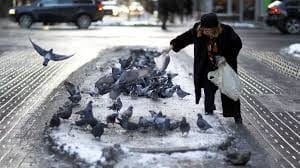
A Manx bird charity has spoken against Douglas Council’s move to ban mass feeding of wild birds throughout the town.
Manx Wild Bird Aid (MWBA) is calling for the council to follow guidance set out by the Department of Environment, Food and Agriculture (DEFA) on how to manage the pigeon population without leaving them to starve.It also raises concerns about home bird feeders being affected.The council is now seeking approval from Tynwald to amend the Douglas General Byelaws 2013, in particular bylaw 19, which relates to ’feeding of animals and birds’.It wants to extend the current prohibited feeding zone to cover the entire Borough of Douglas.
The current zone includes; Douglas seafront from the Bottleneck to the war memorial; Mona Terrace; Finch Road; Athol Street; Bridge Road; South Quay and Parade Street; plus areas on Prospect Terrace and Buck’s Road.Those caught flouting the bylaw would be given a fixed penalty notice.David Cole, a founding member of MWBA with his wife Barbara, doesn’t believe the bylaw would protect those who feed birds at home from being fined if a complaint is made against them.He said: ’The trouble is that Douglas Council says the bylaw doesn’t apply to people with bird tables in their gardens. A byelaw doesn’t have any exceptions.’In theory if someone says “the birds in your garden are annoying me” the bird feeder could be liable for a spot fine.’
Council leader David Christian said: ’The changes the council is proposing are not about targeting well-meaning householders who have bird tables or garden feeders in their gardens. This we applaud.
’It’s about putting enforcement measures in place to deal with irresponsible individuals who persistently mass-feed birds, especially seagulls.’This is a practice which attracts large concentrations of birds, causes widespread public nuisance and distress and encourages vermin.’It also places undue demands on the council’s street cleansing operations and compromises our efforts to project a positive image for Douglas.’Advice given by the DEFA to local authorities includes having designated feeding areas set up for members of the public to freely feed pigeons and other birds.
In the document ’Advice and Information on Pigeon Control’, it also suggests setting up artificial breeding facilities, which has been said to decrease pigeon populations by as much as 50%.This is achieved by removing eggs that have been laid inside the nesting boxes and replacing them with dummy eggs.We previously reported in May about the worrying decline of seabird populations across the island.A survey was carried out over two years by Manx BirdLife with its 2017-18 census revealing that eight seabird species have suffered significant declines, with population losses of up to 82%.hen asked about this, Mr Cole said: ’We have got to give gulls a helping hand, particularly when it’s cold or during breeding season. When we take away that option [of being fed] it’s going to have an affect on a number of birds.’
He added: ’We deal with sick and injured birds. If there’s a sudden stop in the feeding of birds then a lot of them are going to starve because of it. There’s a lot of distressed birds in the island already.’’Milly would be here’ had Glasgow hospital followed adviceA mother whose daughter died at Scotland’s largest hospital has said her daughter would be still alive had concerns about water contamination risks been addressed in time.Kimberly Darroch was speaking after a leaked inspection report into Glasgow’s Queen Elizabeth University Hospital (QEUH) revealed “high risks” in 2015.
Milly Main, 10, contracted an infection in 2017 while on the hospital campus.She was recovering from leukaemia at the Royal Hospital for Children.
The QEUH 2015 inspection report, which ranked infection control measures as “high risk” in several areas just two days after the hospital opened, was passed to Labour MSP Anas Sarwar by whistleblowers. NHS Greater Glasgow and Clyde (NHSGGC) insisted the hospital campus had a “safe and effective water supply” and all inspection reports had been acted upon.
Warning of ‘high risk’ to water supply at hospitalHospital infection spiked at time of child’s deathMs Darroch told BBC Scotland on Thursday night: “I’m shocked with the information that came out today. The fact that they’ve known since since 2015, it’s absolutely disgusting that nothing was done about it and no action was taken and the hospital was still opened.
“I believe Milly would still be here if action had been taken. I’ve no doubt in my mind that Milly would be sitting beside me, right now.”There is no words to describe that pain of knowing that if things had been different, that if things had been sorted with the water, she would still be here.”I think the health board needs to be held to account for the mistakes that they made.”
She added: “We wouldn’t have been made aware of any of this if it wasn’t for the whistleblower coming forward.”I think there will continue to be shocking revelations for the foreseeable future.”
Kimberly Darroch said the leaked report had “shocked” herA spokesperson said the Scottish government was “examining in detail” the separate material Mr Sarwar had highlighted.
They added: “We want to ensure that all families who have been affected can get the answers that they are clearly entitled to and the health secretary has given her personal assurance that she will ensure this happens.”We are committed to making sure that these matters are dealt with transparently and with clear accountability, which is one of the reasons the health secretary has instructed a public inquiry in these matters to be chaired by Lord Brodie.”Ms Darroch said she was “very angry” and felt the health board had swept the case “under the carpet”.
A hospital complaints manager had contacted her on Thursday but she had not received an apology, she said.
Milly, who had leukaemia, underwent a successful stem cell transplant in July 2017 and was making a good recovery when the following month her Hickman line, a catheter used to administer drugs, became infected. Milly went into toxic shock and died days later.
Her death certificate lists a Stenotrophomonas infection of the Hickman line among the possible causes of death but Ms Darroch says the family were kept in the dark about a potential link to contaminated water problems at the hospital.
A spokeswoman for NHS Greater Glasgow and Clyde said: “We are very sorry for the ongoing distress that has been caused to Ms Darroch and we want to provide parents with as much support as possible.”We are in contact with Ms Darroch and would like to meet her to answer her questions if she would be happy to do that.”
The Legionella assessment was carried out by private contractor DMA Water Treatment two days after the hospital openedIn the Scottish Parliament, Mr Sarwar said he had seen figures which suggested there were 50 cases of infections at the Royal Children’s Hospital – part of the £842m QEUH campus – between 2015 and 2018, and a further 15 unconfirmed cases so far this year.
ressed on the warnings at first minister’s questions, Nicola Sturgeon said she was determined to get the “answers parents deserve”.The documents seen by Mr Sarwar show that NHS Estates commissioned three separate independent reports into the water supply at the QEUH.
The first Legionella assessment, carried out by private contractor DMA Water Treatment on 29 April 2015 – two days after the hospital welcomed its first patients – categorised the management of the bacteria as “high risk” because there was “significant communication issues between the parties” responsible for managing the risk.
The problem of contaminated water is one of a number to beset the Queen Elizabeth University Hospital (QEUH) and the adjoining Royal Hospital for Children.
Last year, two cancer wards at the children’s hospital were shut because of concerns about infection, and children were moved to the QEUH instead. An inquiry by Health Protection Scotland later identified 23 potential water supply-linked infections during 2018.In January it emerged two patients at the QEUH had died after contracting an infection linked to pigeon droppings.
City to remove hundreds of tonnes of pigeon poop from Sid Buckwold BridgeSaskatoon has a pigeon poop problem. A heavy one.
Since it opened in 1966, a flock of around 1,500 pigeons has called the Senator Sid Buckwold Bridge home. Over the last five decades, the city estimates that 348 tonnes of pigeon droppings have accumulated in the crevices and cavities of the 183-metre bridge.
Now, as part of a two-year plan to rehabilitate the concrete river crossing, the city is preparing to spend around $800,000 on specialized contractors who will capture and euthanize the pigeons, then manually remove 53 years worth of their feces.The next step will be to ensure pigeons can’t return, because the feces adds significantly to the bridge’s dead load and the uric acid in the droppings can eat into concrete and rebar, according to the city’s general manager of transportation and construction.
The droppings weigh as much as 232 mid-sized cars — within the limits for which the bridge is rated, but a potential concern should nothing be done, Angela Gardiner said Friday in an interview. Large piles of pigeon droppings also have potential health implications.
“There’s no immediate concern about the integrity of the bridge; it’s just the long-term potential that it could cause over a number of years and decades,” she said, adding that there is no indication the uric acid has damaged the bridge’s structure.
The city expects the work to begin next week. The first phase — trapping and euthanizing the birds — is slated to last about six weeks, while the “labour-intensive” cleaning is likely to continue through the summer and into the fall, Gardiner said.
Once the bridge is clean, the city plans to install barriers to ensure pigeons can’t return to the cavities and utility conduit under the span. Gardiner acknowledged that it’s impossible to completely eliminate the pigeons, but said the city will do what it can to keep them away.
While the city plans to keep an eye on its other major pieces of infrastructure, the Buckwold Bridge is thought to be particularly hospitable for pigeons. The city’s other bridges offer the birds far fewer opportunities to nest.
Pigeons are well-known pests that damage private property as well as municipal infrastructure. They are also thought to be among the most destructive; few other species are capable of causing as much damage.
“This job comes with a lot of new and unique things. Each project is different. We were aware there were pigeons (and) an issue with this bridge. But the extent of it is a lot bigger than I thought anyone anticipated,” Gardiner said.amacpherson@postmedia.com
About Pigeon Patrol:
Pigeon Patrol Products & Services is the leading manufacturer and distributor of bird deterrent (control) products in Canada. Pigeon Patrol products have solved pest bird problems in industrial, commercial, and residential settings since 2000, by using safe and humane bird deterrents with only bird and animal friendly solutions. At Pigeon Patrol, we manufacture and offer a variety of bird deterrents, ranging from Ultra-flex Bird Spikes with UV protection, Bird Netting, 4-S Gel and the best Ultrasonic and audible sound devices on the market today.
Contact us at 1- 877– 4– NO-BIRD, (604) 585-9279 or visit our website at www.pigeonpatrol.ca
Bird Gone, Pigeon Gone, Seagull Gone, Pigeon problems, pigeon spikes, 1-877-4NO-BIRD, 4-S Gel, Bird Control, Pigeon Control, bird repellent, Bird Spikes, sonic bird repellent, stainless steel bird spikes, bird spikes Vancouver, Ultra Sonic Bird Control, Bird Netting, Plastic Bird Spikes, Canada bird spike deterrents, Pigeon Pests, B Gone Pigeon, Pigeon Patrol, pest controller, pest control operator, pest control technician, Pigeon Control Products, humane pigeon spikes, pigeon deterrents, pigeon traps, Pigeon repellents, Sound & Laser Deterrents, wildlife control, raccoon, skunk, squirrel deterrent, De-Fence Spikes, Dragons Den, Canada bird spikes, Canada pigeon, pigeon control, pidgon patrol, pidgon. Kill pigeons, crow, starling

by Pigeon Patrol | Dec 17, 2019 | Bird Netting, Bird Spike, Bird Spikes, Pigeon Control, Pigeon Droppings, Pigeon Patrol's Services, Pigeon Spikes, Pigeons in the News, UltraSonic Bird Control
Stop the pigeons! Birds fed birth-control drug at SkyTrain station to reduce population
Pigeons can seem pretty innocuous in the city, but according to TransLink, the birds can cause all kinds of problems along the SkyTrain system. Now, along with the BC SPCA, TransLink is testing a birth control drug on the birds to reduce the population. To start, there’s the issue of poop. CBC News first reported in December that pigeon droppings had dogged the transit authority as it prepared to open a new platform at the Commercial-Broadway station. TransLink has a poopy pigeon problem on its hands at new Expo Line platform
The problems don’t just revolve around the nasty mess. According to TransLink, pigeons can interfere with the transportation system, causing SkyTrain delays when they trigger track intrusion alarms, and automatic brakes are activated. TransLink has tried to discourage the birds from roosting in its stations. The spikes installed along perches didn’t do it. Nor did low-voltage strips or netting. According to TransLink, a falconer has been hired to make the rounds at pigeon-plagued stations to scare off the birds. But according to spokesperson Jill Drews, what’s needed is a long term solution. Along with the BC SPCA, TransLink is testing a feeding system that distributes corn laced with a contraceptive called OvoControl. Sara Dubois, chief scientific officer with BC SPCA shows the feeding unit placed at the VCC-Clark SkyTrain station. (Michaële Perron-Langlais/CBC) The drug has to be eaten daily to keep the pigeons from laying fertilized eggs, and its effects are reversible.”We’re going to be working with the SPCA here at VCC-Clark for a few weeks and determine the effectiveness and hopefully roll out the feeders at other stations soon,” said Drews.
‘Disruptive and inconvenient’: Granville SkyTrain station escalator shutdown to last 2 years According to Sara Dubois, chief scientific officer with BC SPCA, the drug breaks down in the pigeons’ blood stream and won’t affect any predators that may eat the birds, nor any mammals in the area. “It’s safe; it’s not toxic. It was approved by Health Canada last year. We’ve been waiting for several years for it to come to Canada,” said Dubois. Pigeons seem harmless, but according to TransLink they’re a big problem. Their droppings make a mess of transit platforms, and they can trigger intrusion alarms, causing trains to automatically brake, leading to delays. (Rafferty Baker/CBC) “The goal’s not to get rid of pigeons, the goal is to manage the pigeon situation to the point where it’s not causing problems for TransLink,” she said. Dubois said the results of the pilot program will be carefully tracked, both in terms of whether the birds are consuming the drugged food, but also the number of track intrusion alarms set off by pigeons. Drews said that people are partly to blame for the number of pigeons around SkyTrain stations.
“We would like to tell our customers that we would really like it if they stop feeding birds near our stations,” she said. “It isn’t good for the pigeons — they’re best off to find their own natural food — and it isn’t good for our customers, because it caused delays and unsightly health hazard mess in our stations.” With files from Michaële Perron-Langlais. Follow Rafferty Baker on Twitter: @raffertybaker
About Pigeon Patrol:
Pigeon Patrol Products & Services is the leading manufacturer and distributor of bird deterrent (control) products in Canada. Pigeon Patrol products have solved pest bird problems in industrial, commercial, and residential settings since 2000, by using safe and humane bird deterrents with only bird and animal friendly solutions. At Pigeon Patrol, we manufacture and offer a variety of bird deterrents, ranging from Ultra-flex Bird Spikes with UV protection, Bird Netting, 4-S Gel and the best Ultrasonic and audible sound devices on the market today.
Contact us at 1- 877– 4– NO-BIRD, (604) 585-9279 or visit our website at www.pigeonpatrol.ca
Bird Gone, Pigeon Gone, Seagull Gone, Pigeon problems, pigeon spikes, 1-877-4NO-BIRD, 4-S Gel, Bird Control, Pigeon Control, bird repellent, Bird Spikes, sonic bird repellent, stainless steel bird spikes, bird spikes Vancouver, Ultra Sonic Bird Control, Bird Netting, Plastic Bird Spikes, Canada bird spike deterrents, Pigeon Pests, B Gone Pigeon, Pigeon Patrol, pest controller, pest control operator, pest control technician, Pigeon Control Products, humane pigeon spikes, pigeon deterrents, pigeon traps, Pigeon repellents, Sound & Laser Deterrents, wildlife control, raccoon, skunk, squirrel deterrent, De-Fence Spikes, Dragons Den, Canada bird spikes, Canada pigeon, pigeon control, pidgon patrol, pidgon. Kill pigeons, crow, starling
by Pigeon Patrol | Dec 17, 2019 | 4-S Gel Bird repellent, Animal Deterrent Products, Bird Deterrent Products, Bird Netting, Bird Spikes, Pigeon Control, Pigeon Droppings
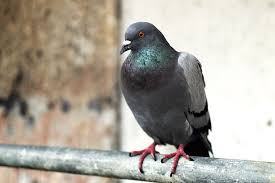
Sick pigeons downtown might have been poisoned: Salthaven West A local wildlife organization is concerned about the number of sick pigeons it’s finding in Regina’s downtown.
Megan Lawrence, director of rehabilitation for Salthaven West, said her organization is frequently called for reports of pigeons in distress.
She said Salthaven has been dealing with the birds for years now and fears they might have been poisoned.
“On average we’re seeing a poisoned pigeon every two to three weeks,” she said, adding those numbers increase in the summer. “It’s not a very humane death. Their temperature skyrockets; it can be a very painful death.” “By the time we receive them, they’re having violent seizures,” she said. “The only thing we can do to get rid of the poison in their system is basically flush it out.”
Lawrence said she’s heard that some businesses downtown may be using poison in order to detract the birds from congregating on rooftops and other roosting points on buildings. However, she wasn’t able to offer any proof for her claims or pinpoint specific businesses and said she hasn’t spoken to any business owners herself. The Leader-Post contacted some downtown businesses to see how they control the pigeon population. None of the businesses who responded said they use poison or have had an issue with pigeon overpopulation.
Salthaven West director of rehabilitation, Megan Lawrence, stands with a Swainson’s hawk in Regina on April 16, 2015. Lawrence believes pigeons in Regina’s downtown are victims of poisoning.
Kevin Lang, building manager for the Ramada Plaza located on Victoria Avenue, said while he has inquired with pest control companies about using poison to stop pigeons from roosting on the hotel’s roof, he’s never used it. “I’ve been told … it affects the other (types of) birds,” he said. “(If) you put poison out, it can be consumed by anything that lands on our roof, which is not environmentally friendly.” Instead, the hotel uses cages to keep them out. He said without them, pigeons can get into ventilation equipment and leave feathers in the rooftop coils.
Lawrence said if pigeons ingest poison, they aren’t the only ones who suffer. Animals who eat pigeons could be affected. “If a Peregrine falcon was to eat one of those pigeons that had ingested the poison, the falcon is also going to get the poison and perhaps die as well,” she said. Half of the pigeons they receive, she said, end up dying.
Salthaven’s most recent call to assist a pigeon was Wednesday evening. That one ended up dying. The organization doesn’t usually have pigeons tested to see what specific poison is making them sick, but it’s considering sending that one in for testing. Lawrence believes the pigeons may be ingesting Avitrol, a bird control product she said is used in cities across Canada.
“It’s very common … to control pigeon populations this way,” she said. “It’s likely (because) it’s cheap and easy.” In an email, the City of Regina said it doesn’t have a pigeon control program and doesn’t monitor pigeon populations. On its website, the makers of Avitrol say the product “causes behaviours similar to an epileptic seizure.”
“Birds eating the treated bait will emit distress signals used by their species when they are frightened or injured,” the website says. “This will frighten the flock and cause it to leave the site.”
About Pigeon Patrol:
Pigeon Patrol Products & Services is the leading manufacturer and distributor of bird deterrent (control) products in Canada. Pigeon Patrol products have solved pest bird problems in industrial, commercial, and residential settings since 2000, by using safe and humane bird deterrents with only bird and animal friendly solutions. At Pigeon Patrol, we manufacture and offer a variety of bird deterrents, ranging from Ultra-flex Bird Spikes with UV protection, Bird Netting, 4-S Gel and the best Ultrasonic and audible sound devices on the market today.
Contact us at 1- 877– 4– NO-BIRD, (604) 585-9279 or visit our website at www.pigeonpatrol.ca
Bird Gone, Pigeon Gone, Seagull Gone, Pigeon problems, pigeon spikes, 1-877-4NO-BIRD, 4-S Gel, Bird Control, Pigeon Control, bird repellent, Bird Spikes, sonic bird repellent, stainless steel bird spikes, bird spikes Vancouver, Ultra Sonic Bird Control, Bird Netting, Plastic Bird Spikes, Canada bird spike deterrents, Pigeon Pests, B Gone Pigeon, Pigeon Patrol, pest controller, pest control operator, pest control technician, Pigeon Control Products, humane pigeon spikes, pigeon deterrents, pigeon traps, Pigeon repellents, Sound & Laser Deterrents, wildlife control, raccoon, skunk, squirrel deterrent, De-Fence Spikes, Dragons Den, Canada bird spikes, Canada pigeon, pigeon control, pidgon patrol, pidgon. Kill pigeons, crow, starling