by Pigeon Patrol | Oct 17, 2023 | history of pigeons, MBCA, pet bird, Pigeon Control, Pigeon Droppings, Pigeon Patrol's Services, Pigeon Predators
Look! Up in the sky! It’s … not as much as there used to be. Three billion wild birds have vanished from North America’s air in 50 years; a new study calls that loss “staggering.” Three billion is as many as 1 bird in 4 — birds of the forests, birds of the grasslands, gone. And 50 years is about the same time that it took North America to send the passenger pigeon — once the most abundant bird on the continent, flying by the billions in flocks that blocked the sun for hours at a time — to send it into extinction. These creatures who evolved from the dinosaurs, who delight us with color and song — humans are crowding them out, plowing up and chopping down their habitat, poisoning them with pesticides, installing windows that they smash into, allowing domestic cats to kill them. And just over a century after the nation began protecting its native birds with the landmark Migratory Bird Treaty Act, the Trump administration is ready to weaken its enforcement. Steve Holmer heads the American Bird Conservancy, whose motto is “Bringing back the birds.” Can it be done, and how?
*****
Three billion birds in 50 years in this country. Why are they disappearing?
We believe it’s a combination of things. Migratory birds spend the majority of their year in the south, either the southern U.S. or in Central or South America. And so there’s all kinds of habitat issues there. And then when they actually migrate, they have what’s called stopover places, where they basically need to stop and fuel up again. If that habitat isn’t in good condition, or if they face threats there, then that could affect their migration.
Some new studies indicate that pesticides might prevent migrating birds from gaining sufficient weight. On these stopover points, they typically will gorge themselves and gain a bunch of weight so that they can fly — in some cases all the way up to the Arctic where they have their chicks. And then they come all the way back. It’s quite a gantlet that they go through. We think all of this is adding up into these declines.
Make the case for why bird life matters. People think aah, it’s just sparrows, aah, it’s just pigeons.
They’re actually a very good indicator of the overall health of the environment. When we see these bird declines, it’s an indication that in a sense there’s something out of balance. And we’ve seen certain habitats removed to a degree that the birds would become endangered. At the same time, we’ve had some very successful conservation efforts. We’ve brought the bald eagle back, for example. Its population is now increasing 10% a year, the result of banning DDT and other efforts to protect it.
Seventy years ago, Communist China crusaded against sparrows as “public animals of capitalism,” and killed billions. Without the sparrows to eat them, insects flourished, crops were destroyed and millions of Chinese starved. The earth needs birds. People need birds.
Birds play a crucial role within the ecosystem in terms of eating insects and other things and then also being eaten by other things. Part of the reason why the loss of the 3 billion birds is so significant is, that’s a huge loss of biomass that used to be in the system. We need to think about doing some things to try to restore balance.
What kinds of birds were foremost among those 3 billion that aren’t around anymore?
Really common birds, meadowlarks; grassland birds in particular seem to have taken a really huge dip. There have been some new studies showing significant impacts from pesticides. And an ongoing process called intensification with agriculture, where they’re using more and more of the land in a much more intensive fashion. And the result is there’s just less available for wildlife.
It really gets down to the price of corn in some ways. And then the subsidies for corn ethanol have actually been pretty bad for birds because they’re leading to the sod-busting and we don’t have a whole lot of original prairie left.
About a year ago the Natural Resources Management Act was signed into law by the Trump administration — a bundle of bills, and a lot of conservation groups had campaigned for them. Isn’t that something of a step forward?
It wasn’t a perfect deal, though. There was still a rider in there that prevents protection for the greater sage grouse, which right now is in severe decline. The sage grouse is a bird that lives all across the Great Basin, a little bit in northern California. That kind of desert country is where you’ll find sage grouse. They actually will eat the sagebrush and hide in it. They’re an excellent indicator for basically pristine, wide open spaces. They like big areas. They like it quiet.
As energy development and other things have descended upon that region, we’ve actually seen the grouse population decline by as much as 90%.
When we see species like the meadowlark start to disappear, species that were so common, that’s not a good harbinger for rarer species in more endangered habitats, is it?
No, that’s exactly the issue. We do carefully look at all the bird populations. There is a lot of focus on the birds that might become endangered; there’s a big effort to head that off.
But we’ve also found that once the bird is listed [as endangered], recovery efforts tend to be successful. We did an analysis a couple of years ago and found out that the biggest need for the Endangered Species Act was to increase this funding for recovery.
A number of birds have just been delisted. One of them was the Kirtland’s warbler up in Michigan, and that’s just a result of successful conservation efforts. There are some good success stories — the interior least tern and the Kirtland’s warbler and a few others are definitely at a point where they seem to be safe and stable in terms of avoiding extinction and on their way to recovery.
But others worry you.
Well, changes to the law itself are worrying me. There’s been some rule-making that can make it very difficult to get protection for new species or provide for adequate habitat protection.
I do think that the process has become politicized and we’re feeling it’s a real challenge to get a level of protection that the birds really need.
People know the phrase “canary in the mine shaft,” meaning an early harbinger of something bad about to happen. Now it seems like our whole wild bird population is the canary in the mine shaft.
That’s right, and they also are showing that they are a big indicator for global warming and climate change. You’re seeing range shifts; because it’s a little warmer, the birds are actually much further north and they’re literally following the climate band as it as it changes.
They’re fortunate in the sense that they can fly to the to a new ideal environment for themselves. Not every critter has that luxury.
As we expand, as our population gets bigger, our agricultural needs are bigger, people cut down forests for wood for myriad purposes, the birds— they gotta give.
We really do need to provide incentives to landowners to grow trees and to maintain their forests. If property values shift too far, they might go into real estate and all that land gets developed.
If we need to grow trees for climate [change purposes], we should make it a real lucrative thing for the landowner to do.
How successful is that?
We’re seeing some success. The California carbon market is really probably the greatest example where it allows for forest conservation projects. Most of them have either longer rotation, forestry or reforestation. And so either way, the environment is winning, because we’re growing trees and absorbing that carbon and providing for that habitat. The California market is something that we probably need to make national.
There was a conflict in the Pacific Northwest in the 1990s over loggers versus habitat and the endangered northern spotted owl; I think one bumper stickers said something like, “Save a logger, eat a spotted owl.” Is that the way our relationship with the natural world in general and birds and in particular is going?
It is kind of ironic because birds in general are very popular, but a couple of birds like the greater sage grouse and the spotted owl have been the flashpoint for these huge land use issues, whether it’s conservation of the many millions of acres of public lands in the sagebrush country or the old-growth forest in the Pacific Northwest.
The fact that these birds declined so far is really kind of an indication that the habitat was not being used and not being properly conserved.
There’s been, I think, a very successful effort to protect the old-growth forest under the Northwest Forest Plan, but it’s by no means a perfect plan. But it has brought an end to the worst type of old-growth logging that used to happen.
And we are actually seeing some real benefits in terms of improved water quality. The forests in the region are now a big carbon sink where they absorb carbon instead of being a source of emissions every year or so.
So the public has seen some real side benefit in addition to the conservation of the forests.
Unfortunately, we have some policymakers who are trying to open up the old-growth forest again to logging, whether it be in Alaska or in the Pacific Northwest or Northern California. And we’re trying to counter that.
A lot of the work that we do is in partnership with other conservation groups. We manage a coalition called the Bird Conservation Alliance, which has over 200 groups doing public outreach and events to raise awareness about our program.
People like the idea of birds — they just don’t perhaps make the connection between, Oh, that’s a bird, and I like to hear it, I like to see it … and what it takes to keep that bird alive.
And sometimes people don’t see how their actions might affect things. A couple of the biggest sources of mortality for birds are window collisions and cats.
With windows, it’s estimated about a billion [birds are killed] a year, and it tends to be on the glass facades and ground-level windows that reflect foliage. There are ways, despite how the landscape is designed or where the windows are themselves; there’ve been windows tested that reduce the number of collisions. We’re working on various pieces of legislation that encourage the use of bird-safe building designs and materials.
There’s actually solutions for homeowners. There’s glass products and films that they can put on the windows to treat them so that the collisions can be greatly reduced.
The same with cats. Keeping cats indoors is safer for the cat. And it greatly reduces the predation that would happen if they were outdoors.
Many people let their cats outside to roam around, not thinking about the devastation that cats can wreak by killing birds — not a pleasant thing for bird lovers or for cat lovers.
In the West, there’s there is a big problem for cat owners seeing their cats outdoors having all kinds of issues, whether it’s fights with other cats, getting hit by cars and that kind of thing.
But the big issue lately is coyotes. If you’re leaving your cat outside, particularly at night, it’s a huge risk to them.
How many birds are cats killing?
Well, it is estimated it’s in the billions. Particularly when you think about the fledgling birds, they tend to be very vulnerable for their first couple of months, before they’ve really gotten to be full size and full strength. There’s just a tremendous toll every year.
What about windmills? President Trump says windmills kill a lot of birds.
Windmills do kill birds. We estimate as many as a million birds a year are killed by wind turbines and associated infrastructure. There are guidelines in place right now that can reduce this mortality. Unfortunately, they’re not being used that consistently. We’re working on a [proposed] piece of legislation called the Migratory Bird Protection Act that we think eventually could lead to these guidelines getting into use more often.
The changes that are happening to the [landmark 1918] Migratory Bird Treaty Act by the administration right now — one of the biggest problems is the fact that it won’t encourage us to solve these problems any longer. The law was intended to encourage industry to find ways to stop killing birds accidentally. So whether it be [birds] falling into oil pits or running into communications towers, there has been a lot of effort over time to reduce that mortality.
As a result of this change that’s been proposed by the administration and already put in effect through a legal opinion a couple of years ago, we’re actually no longer seeing enforcement that we used to have.
So at the same time bird populations are declining, we’re actually seeing weaker enforcement and weaker protection.
With wind and also with oil and gas and pretty much on any aspect, they’ve basically said that they’re no longer going to enforce the law.
And this could even be in extreme worst cases of oil spills where, in the past, there would have been big fines applied. Now they’re basically saying there’s no law any longer.
We’re already fighting, as is the state of California. We’re hopeful to overturn their efforts to weaken the law.
The Migratory Bird Protection Act, sponsored by Rep. Alan Lowenthal from California, would actually kind of bring about these best management practices that I was just talking about. The bill has gone through a House committee and is awaiting a vote on the House floor. And people can express their support to their lawmakers to pass the Migratory Bird Protection Act.
It sounds like California’s doing a pretty good job of getting on top of this.
California has an outstanding legislature in terms of passing bills to protect the environment and fill in the gap while the federal government is kind of dithering about right now.
One area where California took the lead was in the phase-out of toxic lead ammunition. There’s now nontoxic alternatives available.
Most Americans live in suburban or urban areas now. I’m wondering about the urban bird population.
There’s actually a lot that we can do in our urban areas. Urban forests are very important. And each homeowner can do things with their own landscaping, things that that could actually really benefit wildlife, just in our own back yard.
Are you a birdwatcher? Is there a species that speaks to you?
Right now, I’d have to say the marbled murrelet is the species that really speaks to me. It’s right on the coast of northern California and Oregon and Washington state. And it’s a neat little seabird that goes out and forges on little fish and then it nest in the tops of old-growth trees. Those tend to be the very biggest trees that are like 200 years old or older. So there’s a huge overlap between the marbled murrelet and these really high-carbon forests that are valuable in terms of the fight on climate change. There’s all kinds of habitat protection and recreation.
Source
Pigeon Patrol
Pigeon Patrol Products & Services is the leading manufacturer and distributor of bird deterrent (control) products in Canada. Pigeon Patrol products have solved pest bird problems in industrial, commercial, and residential settings since 2000, by using safe and humane bird deterrents with only bird and animal -friendly solutions. At Pigeon Patrol, we manufacture and offer a variety of bird deterrents, ranging from Ultra-flex Bird Spikes with UV protection, Bird Netting, 4-S Bird Gel and the best Ultrasonic and audible sound devices on the market today.
Canada’s top wholesaler for bird deterrent products for twelve consecutive years.
Contact us at 1- 877– 4– NO-BIRD, (604) 585-9279 or visit our website at https://www.pigeonpatrol.ca/
Bird Gone, Pigeon Gone, Pigeon problems, pigeon spikes, 1-877-4NO-BIRD, 4-S Gel, Bird Control, Pigeon Control, bird repellent, Bird Spikes, sonic bird repellent, stainless steel bird spikes, bird spikes Vancouver, Ultra Sonic Bird Control, Bird Netting, Plastic Bird Spikes, Canada bird spike deterrents, Pigeon Pests, B Gone Pigeon, Pigeon Patrol, pest controller, pest control operator, pest control technician, Pigeon Control Products, humane pigeon spikes, pigeon deterrents, pigeon traps, Pigeon repellents, Sound & Laser Deterrents, wildlife control, raccoon, skunk, squirrel deterrent, De-Fence Spikes, Dragons Den, Pigeon, Pigeon Patrol, Pigeons Roosting, Vancouver Pigeon Control, Bird Spikes, Bird Control, Bird Deterrent, Pigeon Deterrent, Surrey Pigeon Control, Pest, Seagull deterrent Vancouver Pigeon Blog, Birds Inside Home De-fence, Pigeon Nesting, Bird Droppings, Pigeon Dropping, woodpecker control, Keep The Birds Away, Birds/rats, seagull, pigeon, woodpecker, dove, sparrow, pidgeon control, pidgeon problem, pidgeon control, flying rats, pigeon Problems, bird netting, bird gel, bird spray, bird nails, bird guard, Pigeon control, Bird deterrents, Pigeon deterrents, Bird control, solutions, Pigeon prevention, Pigeon repellent, Bird proofing, Pest bird management, Pigeon spikes, Bird netting, Humane bird control, Bird exclusion, Urban bird control, Anti-roosting devices, Pigeon removal, Bird barriers
by Pigeon Patrol | Sep 11, 2023 | Bird Netting, Bird Spikes, Doves, history of pigeons, MBCA, pet bird, Pigeon Control
The pigeon problem in Kirkland Lake is so bad, police felt the need to issue a news release this morning warning residents to follow the law when dealing with them.
The town started renting out traps to residents today to capture pigeons, and police say that trappers will be responsible for the disposal of the birds, which includes a ban on throwing them in the garbage for curbside pickup. Successful trappers will instead have to take the pigeons for burial at the town dump.
“The OPP want to inform the residents that it is each individual’s responsibility to educate themselves on this topic and to ensure that they are acting within the laws, regulations and town by-laws,” says Constable Adam Gauthier.
The problem started, says Ashley Bilodeau, Kirkland Lake’s Manager of Planning and Land Development, when a few bird lovers started feeding the pigeons.
“We have a couple of residents that have been obnoxiously feeding pigeons to the point where we have some serious problem areas, so we passed a no-feeding bylaw back in the fall,” she told BayToday. “However, there is one individual who just continues to feed them despite the bylaw and has been charged. There’s been a few charges laid around town but there is one individual who is causing more headaches than normal.”
The fine for feeding is steep at $100, and that’s down from the $250 the town wanted to charge but the province wouldn’t allow it.
“So we’re trying to find different ways to combat the issue because it’s now causing problems to people’s properties and vehicles because there are so many of them.”
Bilodeau says the town has checked with the MNRF and it’s not illegal to kill pigeons although you are required to have a small game licence in order to trap and kill pigeons.
The town has not placed a limit on the number of pigeons people can capture, but police warn folks can’t use their guns to shoot the birds because discharging a firearm is prohibited within the Town of Kirkland Lake,
Bilodeau says poop is the problem.
“They’re also causing damage to buildings by trying to build nesting areas,” she adds. “We’ve got four traps here and people can come in and put in a deposit and take the trap for 10 days, and when they bring it back they get their money back.”
Pigeons were originally bred from the wild rock dove, which naturally inhabits sea-cliffs and mountains according to Wikipedia, so the bird finds the ledges of buildings to be a substitute for sea cliffs.
They have become abundant in towns and cities throughout the world. Due to their abilities to create large amounts of excrement and to carry disease, combined with crop and property damage, pigeons are largely considered a nuisance with steps being taken in many municipalities to lower their numbers or completely eradicate them.
Source
Pigeon Patrol
Pigeon Patrol Products & Services is the leading manufacturer and distributor of bird deterrent (control) products in Canada. Pigeon Patrol products have solved pest bird problems in industrial, commercial, and residential settings since 2000, by using safe and humane bird deterrents with only bird and animal -friendly solutions. At Pigeon Patrol, we manufacture and offer a variety of bird deterrents, ranging from Ultra-flex Bird Spikes with UV protection, Bird Netting, 4-S Bird Gel and the best Ultrasonic and audible sound devices on the market today.
Canada’s top wholesaler for bird deterrent products for twelve consecutive years.
Contact us at 1- 877– 4– NO-BIRD, (604) 585-9279 or visit our website at https://www.pigeonpatrol.ca/
Bird Gone, Pigeon Gone, Pigeon problems, pigeon spikes, 1-877-4NO-BIRD, 4-S Gel, Bird Control, Pigeon Control, bird repellent, Bird Spikes, sonic bird repellent, stainless steel bird spikes, bird spikes Vancouver, Ultra Sonic Bird Control, Bird Netting, Plastic Bird Spikes, Canada bird spike deterrents, Pigeon Pests, B Gone Pigeon, Pigeon Patrol, pest controller, pest control operator, pest control technician, Pigeon Control Products, humane pigeon spikes, pigeon deterrents, pigeon traps, Pigeon repellents, Sound & Laser Deterrents, wildlife control, raccoon, skunk, squirrel deterrent, De-Fence Spikes, Dragons Den, Pigeon, Pigeon Patrol, Pigeons Roosting, Vancouver Pigeon Control, Bird Spikes, Bird Control, Bird Deterrent, Pigeon Deterrent, Surrey Pigeon Control, Pest, Seagull deterrent Vancouver Pigeon Blog, Birds Inside Home De-fence, Pigeon Nesting, Bird Droppings, Pigeon Dropping, woodpecker control, Keep The Birds Away, Birds/rats, seagull, pigeon, woodpecker, dove, sparrow, pidgeon control, pidgeon problem, pidgeon control, flying rats, pigeon Problems, bird netting, bird gel, bird spray, bird nails, bird guard, Pigeon control, Bird deterrents, Pigeon deterrents, Bird control, solutions, Pigeon prevention, Pigeon repellent, Bird proofing, Pest bird management, Pigeon spikes, Bird netting, Humane bird control, Bird exclusion, Urban bird control, Anti-roosting devices, Pigeon removal, Bird barriers
y/bird nails/bird guard
by Pigeon Patrol | Sep 7, 2023 | history of pigeons, MBCA, pet bird, Pigeon Control, Pigeon Droppings, Pigeon Patrol's Services, Pigeon Predators
We all are well aware of the fact that how films, web series, and TV serials have romanticized the idea of symbolizing birds such as pigeons and sparrows as a symbol of love and peace. However, the truth is completely different from what we see on the screen. If these birds become unpaid tenants of your little balcony, you are surely going to encounter the nuisance they create. Thus, many homeowners opt for Sparrow Netting or Pigeon Netting to keep them at bay.
In addition, during the summer season, it becomes extremely important to place pigeon netting for balconies to get rid of all the chaos they bring with them. You may wonder how these little pests can cause substantial damage to your family’s health and also to your property. Well, they can and that is the reason why various residential and industrial spaces in rural and urban areas rely on anti bird netting services.
With that being said, this write-up is specially dedicated to discussing why anti bird netting becomes crucial during the Indian summer season. The comprehensive guide will also shed some light on the key features of HiCare’s bird netting in Pune, Mumbai, and other Indian cities.
Birds are Dirty Beings
Yes, believe it or not, they are. And, if you don’t you can check out the surface of a car parking in the open space or benches of the park. Now, just imagine that a bunch of birds are enjoying the shade under your balcony. Once they leave, you are likely to spot their droppings. It is a treat for all the balcony gardeners as a large amount of their dropping can harm vegetation.
Birds Can Cause Illness
Diseases such as pigeon ornithosis, encephalitis, and salmonella food poisoning have all been linked to pigeons. However, determining the true incidence of illness transmission from pigeons to humans is problematic. Disease outbreaks that may be traced back to pigeon flocks are uncommon. Hence, another strong reason for subscribing to bird netting in Pune, Mumbai, or any other metropolitan city of India.
Pigeon excrement contains the causal agent of histoplasmosis, a systemic fungal illness that affects the human respiratory tract if allowed to accumulate for several years. Histoplasmosis can be lethal in extreme cases. Pigeons’ external parasites include a variety of mites, fleas, ticks, and bugs.
More than anything else, pigeons can be a threat to human safety. Thus, the elimination of feeding, watering, roosting, and nesting sites is important during summer, winter, or any Indian season. As birds pose serious concerns to gardeners and property owners, bird netting services can act as a barrier to letting them in your sweet home. With that being said, here are four benefits of Bird Netting installation in summer. Scroll down to take a brief look at each!
Top 4 Benefits of Bird Netting
- Long-Term Protection
- Durable and Sturdy
- Cost-Effective
- Simple to Use
- Disease Prevention
- Environmentally Friendly
- Low Maintenance
1. Long-Term Protection
During summer, birds often come in their numbers to attack your balcony causing significant damage to the surroundings. To counter this, the net is an effective way to offer the right protection to complete your space from bird damage.
2. Durable and Sturdy
Nets are made of the strongest, highest-quality materials, come in a variety of shapes and sizes, and are UV-stabilized. Some nets have been estimated to last up to several years. Anti-bird netting pays off in terms of durability, which is important in any worthwhile investment. The setup is basic and straightforward.
3. Cost-Effective
Nets are made of the strongest, highest-quality materials, come in a variety of shapes and sizes, and are UV-stabilized. Some nets have been estimated to last up to several years. Anti-bird netting pays off in terms of durability, which is essential in any worthwhile investment.
4. Simple to Use
The netting is exceptionally simple to use and easy to install. The process is hassle-free and professionals can do it within a given timeframe. Once installed properly, it does not require any external force to come into action.
Many reasons and benefits can lure more homeowners to install pigeon netting for balconies. However, finding the best professionals that give Bird Netting Services in Mumbai or any Indian city could be a bit difficult. On the flip side, it is not impossible either. If your browser history is filled with the query – Bird Netting Mumbai, HiCare has a solution for you.
5. Disease Prevention
Bird droppings can contain harmful pathogens and bacteria. By keeping birds away from areas where people live and work, bird netting reduces the risk of diseases transmitted through contact with bird droppings. This is especially crucial in urban environments.
6. Environmentally Friendly
Bird netting is considered an environmentally friendly bird control method because it does not harm the birds. Instead, it provides a physical barrier that discourages birds from accessing certain areas without causing them harm. This makes it a humane and sustainable solution.
7. Low Maintenance
Once bird netting is properly installed, it requires minimal maintenance. Routine inspections to check for damage and repairs as needed are typically the only maintenance tasks required. This saves time and effort compared to other bird control methods.
Source
Pigeon Patrol Products & Services is the leading manufacturer and distributor or bird deterrent (control) products in Canada. Pigeon Patrol products have solved pest bird problems in industrial, commercial, and residential settings since 2000, by using safe and humane bird
deterrents with only bird and animal friendly solutions. At Pigeon Patrol, we manufacture and offer a variety of bird deterrents, ranging from Ultra-flex Bird Spikes with UV protection, Bird Netting, 4-S Bird Gel and the best Ultrasonic and audible sound devices on the market today.
Voted Best Canadian wholesaler for Bird Deterrent products ten years in a row.
Contact us at 1 877-4-NO-BIRD,(604) 585-9279 or visit our website at www.pigeonpatrol.ca
Pigeon/Pigeon Patrol / Pigeons Roosing / Vancouver Pigeon Control / Bird Spikes / Bird Control / Bird Deterrent / PIgeon Deterrent / Surrey Pigeon Control / Pest / Seagull deterrent / Vancouver Pigeon Blog / Birds Inside Home / Pigeons in the cities / Ice Pigeons / What to do about pigeons / sparrows, Damage by Sparrows, How to Keep Raccoons Away, Why Are Raccoons Considered Pests / De-fence / Pigeon Nesting / Bird Droppings / Pigeon Dropping / woodpecker control / Professional Bird Control Company / Keep The Birds Away / Birds/rats/seagull/pigeon/woodpecker/dove/sparrow/pidgeon control/pidgeon problem/pidgeon control/flying rats/pigeon problems/ bird netting/bird gel/bird spray/bird nails/bird guard
by Pigeon Patrol | Jul 26, 2023 | Bird Spike, Bird Spikes, Columbidae, Doves, history of pigeons, MBCA, pet bird, Pigeon Control, Pigeon Predators, Pigeon Spikes
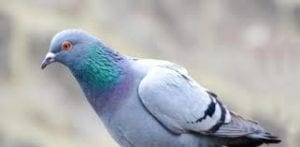
You could be forgiven for thinking that pigeons ever lived in the wild. They have been such a constant presence in human cities for so long that they are seen as urban creatures to this day. However, their commonness doesn’t mean they are harmless. Pigeons can be just as troublesome as other common pests, and they can be even more dangerous than you probably realize. Learning how you can prevent a pigeon infestation in your property can protect you from these problems.
Common But Not Harmless
Pigeons are so common in urban America that most people don’t pay them any real attention. Some people even feed them. It’s this relationship to humans that has allowed pigeons to thrive and reveal their true colors as truly harmful birds. But pigeons haven’t always nested in cities and suburbs, they descend from cave birds that occupied rugged coasts and mountains. Some pigeons still migrate to these natural areas to breed but their reliance on human waste for food and industrial buildings for shelter means pigeons are a permanent fixture in modern life. But make no mistake, pigeons are responsible for the same kinds of damage and danger that other pests are known for.
Damage & Danger Caused By Pigeons
Even though people consider them harmless birds, pigeons have proven time and time again that they are more than just birds picking up breadcrumbs. Pigeons can lead to all of the following problems for humans:
- Disease. Pigeons are known as vermin for a reason, they are carriers of dangerous and fast-spreading diseases like hepatitis and salmonella.
- Parasites. Even if pigeons themselves aren’t carriers of diseases, they can carry ticks and lice that are also harmful and known to transmit pathogens.
- Damage. Pigeons aren’t just a health risk, but a property risk too. With their habit of nesting inside of electrical utilities and roosting inside of people’s roofs, pigeons can cause direct damage and interference to the common amenities of daily life.
- Feces. Not only can pigeons cause damage with their nests, but they can also cause damage to their poop. The highly corrosive droppings can chew through concrete and even metal — not to mention the unpleasant sights and smells that result.
Keeping Pigeons Off Your Property
Since pigeons in Owensboro are everywhere, it’s important to take steps to make your property less attractive to flying invaders in search of shelter or food. Here are some steps you can take:
- Don’t feed them. First and foremost, everyone should take heed of this tip. The more people feed pigeons, the more their populations grow. If you feed them on your property, either directly or via bird feeders, you’re simply inviting them to cause more problems.
- Landscaping. Keeping trees trimmed away from any structures will prevent pigeons from having an easy place to land that’s right next to your property.
- Anti-roosting. There is a wide range of spikes, grates, and covers that are available for commercial and residential properties, which prevent pigeons from landing or nesting.
Take Proper Action
Because pigeons are such a common part of modern life, anyone can fall victim to the problems they cause. Once they’ve taken hold in an area, pigeon populations can grow simply massive. Rather than try to deal with prevention and removal on your own, enlist the help of trained experts who can assist you. At Action Pest Control, our friendly staff can provide you with even more tips to prevent and spot the signs of pigeon damage. If our inspections reveal an infestation, we’ll work to get rid of it and work with you on steps for future prevention.
Don’t get complacent when it comes to pigeons, act today.
Source
Pigeon Patrol Products & Services is the leading manufacturer and distributor or bird deterrent (control) products in Canada. Pigeon Patrol products have solved pest bird problems in industrial, commercial, and residential settings since 2000, by using safe and humane bird
deterrents with only bird and animal friendly solutions. At Pigeon Patrol, we manufacture and offer a variety of bird deterrents, ranging from Ultra-flex Bird Spikes with UV protection, Bird Netting, 4-S Bird Gel and the best Ultrasonic and audible sound devices on the market today.
Voted Best Canadian wholesaler for Bird Deterrent products ten years in a row.
Contact us at 1 877-4-NO-BIRD,(604) 585-9279 or visit our website at www.pigeonpatrol.ca
Pigeon/Pigeon Patrol / Pigeons Roosing / Vancouver Pigeon Control / Bird Spikes / Bird Control / Bird Deterrent / PIgeon Deterrent / Surrey Pigeon Control / Pest / Seagull deterrent / Vancouver Pigeon Blog / Birds Inside Home / Pigeons in the cities / Ice Pigeons / What to do about pigeons / sparrows, Damage by Sparrows, How to Keep Raccoons Away, Why Are Raccoons Considered Pests / De-fence / Pigeon Nesting / Bird Droppings / Pigeon Dropping / woodpecker control / Professional Bird Control Company / Keep The Birds Away / Birds/rats/seagull/pigeon/woodpecker/dove/sparrow/pidgeon control/pidgeon problem/pidgeon control/flying rats/pigeon problems/ bird netting/bird gel/bird spray/bird nails/bird guard
by Pigeon Patrol | Jul 26, 2023 | history of pigeons, MBCA, pet bird, Pigeon Control, Pigeon Droppings, Pigeon Patrol's Services, Pigeon Predators
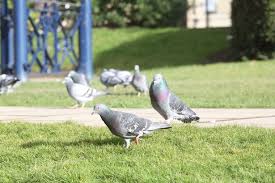
Do you have a problem with pigeons in your home? Not only can this be frustrating, but pigeons can also carry germs that can have a negative impact on your health. This is why it is important to seek expert pigeon removal. With that in mind, in this blog post, we are going to reveal everything you need to know about pigeon removal, including some of the steps you can take to keep pigeons away from your home.
Why pigeons are dangerous
You may have heard that pigeons carry diseases. This information is true. In fact, pigeons spread an alarming number of diseases, as they carry more than 60 varieties of pathogens. Diseases are transmitted via pigeon droppings. Of course, you can make sure that you never pick up or touch pigeon droppings. Nevertheless, it is a little bit more complicated than that. When pigeon droppings that are infected with viruses or bacteria are left on windowsills or pavements, for example, they will start to dry out. When this happens, the droppings then turn into a powder. The powder is either kicked into the air or blown about, which causes it to be inhaled by people without them knowing. When this powder is inhaled in this manner, this is how diseases can be spread to humans.
What are some of the common pathogens that pigeons can transmit to humans?
There are a number of different pathogens that humans can transmit to humans, so let’s take a look at them in further detail:
- Salmonellosis – This is a disease that you are probably more familiar with in terms of food poisoning. This disease when the infected droppings of a pigeon turn into dust, as mentioned earlier, and ends up finding its way to food preparation surfaces and food.
- Candidiasis – This disease is a respiratory condition that happens as a consequence of the years or fungus that is found within pigeon droppings. The areas that are impacted by this type of disease include the respiratory system, mouth, and skin, as well as the intestines and also the urogenital tract, especially in females.
- Histoplasmosis – This is a respiratory disease that can happen as a consequence of the fungus that grows in pigeon droppings. This disease can be fatal.
- St. Louis encephalitis – This is a form of the disease that mosquitoes spread once they have fed on a pigeon that carries this disease. This results in inflammation of the nervous system, which can be a big concern no matter how old you are. Nevertheless, it can be especially serious and sometimes even fatal in those who are 60-years-old or older. Symptoms include fever, headache, and drowsiness.
- E.coli – Last but not least, there is e.coli, which happens when bird droppings land in a supply of food or water, after which they are consumed by humans. By washing food before eating, you should be able to avoid this. Symptoms include the likes of cramps, fever, and nausea.
It is also worth pointing out that pigeons carry the West Nile virus, as well as carrying fleas and mites, all of which can result in discomfort and a number of severe medical problems for humans.
How to keep pigeons away from your home
There are several different steps that you can take to try and keep pigeons away from your property. One of the things that you can do is make the roosting areas as unappealing as possible. Here are some of the best opinions here:
- Don’t feed them – This may sound obvious, but it is important to make sure that you do not feed the pigeons. As is the case with the majority of animals, if you feed them, they are only going to keep coming back. Plus, the food may attract even more pigeons and potentially other animals as well!
- Install coping covers to window ledges and sills – If you do not have any flat surfaces for nests to be built and balanced on, the pigeons are probably going to move elsewhere and find a different home.
- Tie a string across the roosting area – Strings that are tied approximately one-inch
- Install anti-roosting spike stripes – Select strategical sports for the installation of anti-roosting spike strips. This includes the likes of window ledges and sills.
It is also a wise idea to inspect the outside of your home and to make sure there are no entry points for pigeons. Pay special attention to your attic and eaves. If any openings are present, you should seal them. You can start by sealing the attic should there by any openings that are large enough for a pigeon to get through them. You can either place a metal wire mesh or you could seal the openings completely.
Next, you should cap your chimney if your home has one. Using a metal wire cage to cap your chimney is a wise idea because pigeons are well known for creating nests that can block this area of your home. A bird could die through getting trapped inside of the chimney as well, so blocking off the chimney is better all around!
In addition to this, you should use netting or mesh surrounding the nesting areas. This is advisable especially for those that have air conditioning units in their home. This is because pigeons love to create their nests on trays underneath the unit.
Of course, you can also hire professionals to make sure that there are some strategies in place so that pigeons are deterred from your property.
Source
Pigeon Patrol Products & Services is the leading manufacturer and distributor or bird deterrent (control) products in Canada. Pigeon Patrol products have solved pest bird problems in industrial, commercial, and residential settings since 2000, by using safe and humane bird
deterrents with only bird and animal friendly solutions. At Pigeon Patrol, we manufacture and offer a variety of bird deterrents, ranging from Ultra-flex Bird Spikes with UV protection, Bird Netting, 4-S Bird Gel and the best Ultrasonic and audible sound devices on the market today.
Voted Best Canadian wholesaler for Bird Deterrent products ten years in a row.
Contact us at 1 877-4-NO-BIRD,(604) 585-9279 or visit our website at www.pigeonpatrol.ca
Pigeon/Pigeon Patrol / Pigeons Roosing / Vancouver Pigeon Control / Bird Spikes / Bird Control / Bird Deterrent / PIgeon Deterrent / Surrey Pigeon Control / Pest / Seagull deterrent / Vancouver Pigeon Blog / Birds Inside Home / Pigeons in the cities / Ice Pigeons / What to do about pigeons / sparrows, Damage by Sparrows, How to Keep Raccoons Away, Why Are Raccoons Considered Pests / De-fence / Pigeon Nesting / Bird Droppings / Pigeon Dropping / woodpecker control / Professional Bird Control Company / Keep The Birds Away / Birds/rats/seagull/pigeon/woodpecker/dove/sparrow/pidgeon control/pidgeon problem/pidgeon control/flying rats/pigeon problems/ bird netting/bird gel/bird spray/bird nails/bird guard
by Pigeon Patrol | Jul 20, 2023 | Columbidae, Doves, history of pigeons, MBCA, pet bird, Pigeon Control, Pigeon Droppings, Pigeon Patrol's Services
New research publishing June 18 in the open-access journal, PLOS Biology, led by Dr Lucy Taylor from the University of Oxford’s Department of Zoology now reveals that homing pigeons fit in one extra wingbeat per second when flying in pairs compared to flying solo.
Birds that fly in ‘V’-formations, such as geese, are able to conserve energy by flying in aerodynamically optimal positions. By contrast, in species that don’t fly in formation, such as homing pigeons, the costs and benefits of flocking have been less well understood.
The research indicates that flying with another bird requires more energy compared to flying solo. ‘The results of this study were completely unexpected. Energy is the currency of life so it’s astonishing that the birds are prepared to pay a substantial energetic cost to fly together,” said lead-author, Dr Lucy Taylor.
The team used high frequency GPS and accelerometer bio-loggers to measure how pigeons changed their wingbeat patterns when flying in pairs compared to flying solo. The accelerometers act much like fitness trackers but, instead of measuring steps, the researchers measure wingbeats. ‘The increase in wingbeat frequency is equivalent to Usain Bolt running the 100m sprint at his usual speed, whilst fitting in nearly one extra step per second. The pigeons are flapping faster when flying in pairs but hardly going any faster,” said Dr Taylor.
The increase in wingbeat frequency is likely to be related to the demands of coordinating flight. Dr Taylor said: ‘Imagine trying to coordinate with and avoid hitting another small object travelling at around 44 miles per hour. This is nearly two times faster than an Olympic sprinter, and the birds can move up and down as well as left and right. For a pigeon, flapping your wings faster will both give you faster reactions and greater control over your movements, and will help keep your head stable making it easier to track where the other bird is.’
Despite the costs of fitting in one additional wingbeat per second, the birds consistently chose to fly together, suggesting that they were able to gain other benefits from flocking. Birds flying in a pair were simultaneously able to improve their homing accuracy, meaning that they could conserve energy by flying shorter routes home. Combined with increased predator protection from safety in numbers, this research suggests that the overall benefits of flocking outweigh the immediate energetic costs of changing wingbeat patterns.
Source
Pigeon Patrol Products & Services is the leading manufacturer and distributor or bird deterrent (control) products in Canada. Pigeon Patrol products have solved pest bird problems in industrial, commercial, and residential settings since 2000, by using safe and humane bird
deterrents with only bird and animal friendly solutions. At Pigeon Patrol, we manufacture and offer a variety of bird deterrents, ranging from Ultra-flex Bird Spikes with UV protection, Bird Netting, 4-S Bird Gel and the best Ultrasonic and audible sound devices on the market today.
Voted Best Canadian wholesaler for Bird Deterrent products ten years in a row.
Contact us at 1 877-4-NO-BIRD,(604) 585-9279 or visit our website at www.pigeonpatrol.ca
Pigeon/Pigeon Patrol / Pigeons Roosing / Vancouver Pigeon Control / Bird Spikes / Bird Control / Bird Deterrent / PIgeon Deterrent / Surrey Pigeon Control / Pest / Seagull deterrent / Vancouver Pigeon Blog / Birds Inside Home / Pigeons in the cities / Ice Pigeons / What to do about pigeons / sparrows, Damage by Sparrows, How to Keep Raccoons Away, Why Are Raccoons Considered Pests / De-fence / Pigeon Nesting / Bird Droppings / Pigeon Dropping / woodpecker control / Professional Bird Control Company / Keep The Birds Away / Birds/rats/seagull/pigeon/woodpecker/dove/sparrow/pidgeon control/pidgeon problem/pidgeon control/flying rats/pigeon problems/ bird netting/bird gel/bird spray/bird nails/bird guard