by Pigeon Patrol | Feb 9, 2021 | Animal Deterrent Products, Bird Deterrent Products, Bird Law, Bird Netting, Bird Spike, Bird Spikes, Pigeons, Raccoons
What Bird Are Considered To Be A Pest?
Pest Bird
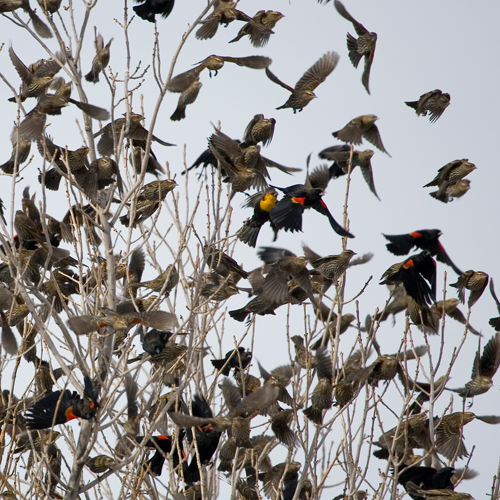
The Canada goose, pigeons, starlings, seagulls and house sparrows are the most common pest birds in our area. Pest birds are responsible for millions of dollars of damage every year. Bird droppings are highly caustic and eat away at roofing and other structural material. They contaminate food, water, and anything they touch. They release airborne spores that can be inhaled by customers, workers and family members. They also carry disease-causing parasites, fleas, ticks, mites, lice and other biting insects.
Are They Dangerous
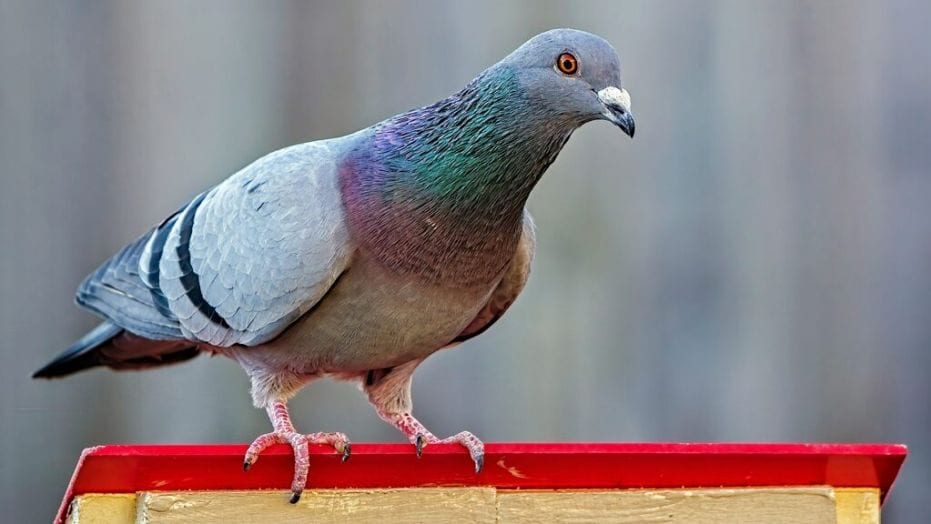
Pigeon’s droppings and nests are of medical concern because they have over 50 diseases associated with them. Some of these include histoplasmosis, chlamyiosis, and salmonella. Their droppings are also acidic and may mar many different surfaces. The Canada goose is aggressive at protecting its territory and airport safety is jeopardized as many airport bird strike collisions result from geese roosting in open areas near airports. House sparrows and starlings can be a major nuisance in urban areas due to their nesting, eating, and living habits. Gutters and drainage pipes clogged with sparrow or starling nests can back up and cause extensive water damage. Furthermore, numerous fires have been attributed to electrical shorts from machinery housing sparrow or starling nests.
How To Get Rid Of Them
Controlling these birds can be difficult. That’s why our services may include a combination of products and techniques. Corrective landscaping, barriers, and exclusion methods may all be used to rid your home or business of these nuisance birds. source
Can You DIY?
Due to the complexity of treatment and the time required, pigeons, Canada geese, and house sparrows are generally not a pest many people have success in eradicating on their own. Beware when purchasing products online, as many are not effective. Pesticides are not typically effective against birds and can be harmful to people and pets if they are misused or mixed improperly.
How Soon Can We Come?
Our customers are our top priority. The Pigeon Patrol team will help you as soon as we can
Are These Treatments Safe?
Pigeon Patrol uses the least amount of materials possible while still resolving the problem. We utilize natural products, baits, and mechanical means as a form of treatment whenever possible keeping you, your family, employees, and customers safe.
How To Prevent For The Future
Pest bird problems can be difficult to prevent. Many of our clients choose year-round service against pest birds for the protection of their home or business.
Pigeon Patrol Products & Services is the leading manufacturer and distributor of bird deterrent (control) products in Canada. Pigeon Patrol products have solved pest bird problems in industrial, commercial, and residential settings since 2000, by using safe and humane bird deterrents with only bird and animal friendly solutions. At Pigeon Patrol, we manufacture and offer a variety of bird deterrents, ranging from Ultra-flex Bird Spikes with UV protection, Bird Netting, 4-S Gel and the best Ultrasonic and audible sound devices on the market today.
Contact us at 1- 877– 4– NO-BIRD, (604) 585-9279 or visit our website at www.pigeonpatrol.ca
Pigeon / Pigeon Patrol / Pigeons Roosting / Vancouver Pigeon Patrol / Bird Control / Surrey Pigeon Control / Pest / Vancouver Pigeon Blog / Birds Inside Home / Pigeons in the cities / Ice Pigeons/ What to do about pigeons/ most common types of sparrows , Damages Caused by Sparrows, How To Keep Raccoons Away, Why Are Raccoons Considered Pests?de-fence, Pigeon Nesting and Breeding Patterns and Behavior What Do I Do With a Bird Trapped in My Wall? Professional Bird Control Company Keep The Birds Away From Your Business Why Are Raccoons Considered Pests?
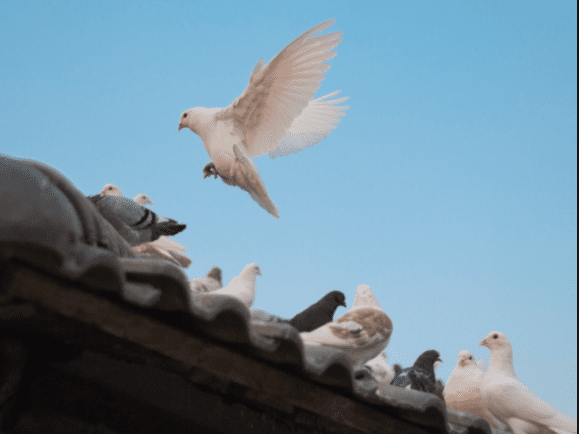
by Pigeon Patrol | Feb 9, 2021 | Animal Deterrent Products, Bird Deterrent Products, Bird Law, Bird Netting, Bird Spike, Bird Spikes, Pigeon Patrol's Services, Pigeon Spikes, Pigeons, UltraSonic Bird Control
Bird control technicians’ nightmare – what to do when we are asked to do the impossible? The straight answer is that there is really nothing we can do when pigeons land on your roof, but there is much more to know.
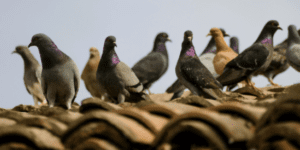
Many customers ask: “Why? Why my roof, what’s so special about my roof that they have to land there?” Believe it or not you are asking the right question: Why? Once you understand why, you will also understand why is it hard to provide a solution in this situation.
Almost always, the primary cause of such problem is the availability of food nearby, plenty of it on a regular basis. Probably someone is feeding the birds or there are lots of garbage in the area or open garbage bins/containers. They could also nest or roost in close proximity and simply they use your roof as a comfy perching spot having a nice vantage point over their feeding area.
What could we do? Install hundreds of feet of spikes on your roof? Put up scary owls? Maybe speakers on the roof peak? Unfortunately none of them are viable. It is simply not feasible to protect large, flat (horizontal or sloped) roof surfaces, such as the entire roof of a victorian house for example.
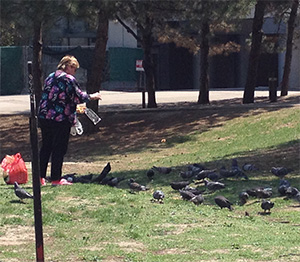
Lady feeding the pigeons in College Park – every day.
First, we need to find ways of eliminating food and water sources nearby. Then we must find their nesting/roosting areas – which will most likely be on another property, otherwise you would see them somewhere else on your house/building, (in which case it would be very easy to resolve the issue,– that provides sheltered structural configurations to establish a protected area where they can stay at night. Pigeons don’t see well at night and usually they go to their roosting spots before nightfall and stay there during the night.
If protecting these areas are not possible (because they are on someone else’s property) we can look at strategically installing Bird Spikes or exclusion Bird Netting or the combination of both, maybe Electric Tracks at critical areas to discourage them from landing on your roof.
You can see now that there aren’t any straightforward solutions in the case of house roof tops and that it is very time consuming to address the issue holistically. The best thing you can do is to call up a professional and get an opinion, you might have missed something that a pro will notice that could help resolve the issue.
source
Some other options for bird repellent would be the Ultrasonic Sound Repellent which makes noises that can only be heard by pigeons and scare them off with the sound or the laser beam which can be activated by movement or you can time when these lasers come on. These lasers are too strong for the pigeons vision to handle and they will fly elsewhere. You can purchase these here : https://www.pigeonpatrol.ca/product/laser/
Pigeon Patrol Products & Services is the leading manufacturer and distributor of bird deterrent (control) products in Canada. Pigeon Patrol products have solved pest bird problems in industrial, commercial, and residential settings since 2000, by using safe and humane bird deterrents with only bird and animal friendly solutions. At Pigeon Patrol, we manufacture and offer a variety of bird deterrents, ranging from Ultra-flex Bird Spikes with UV protection, Bird Netting, 4-S Gel and the best Ultrasonic and audible sound devices on the market today.
Contact us at 1- 877– 4– NO-BIRD, (604) 585-9279 or visit our website at www.pigeonpatrol.ca
Pigeon / Pigeon Patrol / Pigeons Roosting / Vancouver Pigeon Patrol / Bird Control / Surrey Pigeon Control / Pest /
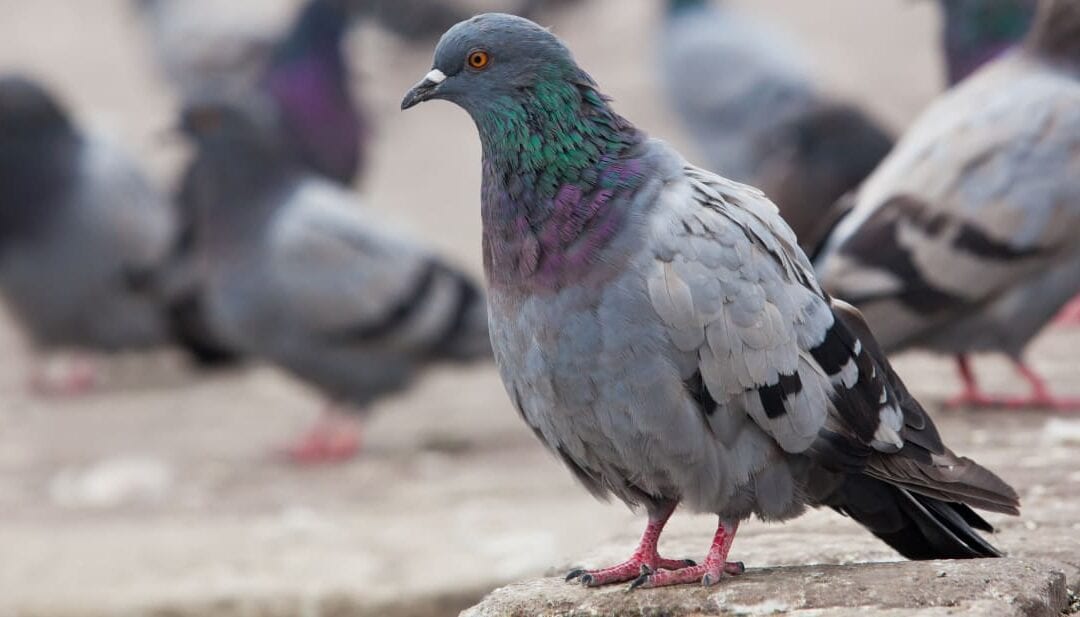
by Pigeon Patrol | Feb 9, 2021 | Animal Deterrent Products, Bird Deterrent Products, Bird Spikes, Columbidae, UltraSonic Bird Control
Sound Deterrent For Birds
Ultrasonic pigeon & bird scarers are electronic devices that produce high pitch emissions known as ultrasound. Ultrasonic pigeon & bird scaring systems have been introduced into the pest control marketplace due to the fact that ultrasound is too high-pitched for human hearing but falls within the hearing range of most species of birds. Most sonic bird scaring devices produce a sound that is audible to the human ear and therefore may cause human disturbance if used in an area of human habitation.
Pest birds can quickly become a costly problem to property owners and managers. The birds will gather in increasingly large flocks to deface and damage property and equipment. Lethal means of bird control—poisons, pellet guns and inhumane traps—are illegal in many areas, since many birds are protected by law. Today’s advanced sound bird deterrents can be highly effective as a humane way to deter pest birds.
How It Works
Ultrasonic repellents work differently than other deterrents. They use high frequencies (which the human ear cannot hear) to deter birds and other pests. When the birds or pests hear the sound being produced, they become disoriented or irritated by the noise. Birds also quickly learn to avoid areas where they have felt the ultrasonic sound waves
There are many ultrasonic devices to choose from depending on the coverage you need. Typically, they are able to cover up to 3,600 sq. ft. With multiple speakers, you can customize coverage for even larger areas.
Distress & Predator Calls Intimidate Birds
Many types of birds such as pigeons and seagulls have a specific “distress call.” Birds will emit these sounds only when they are attacked by a predator. Sound bird deterrents intimidate pest birds by broadcasting these prerecorded distress and predator calls. The devices have been scientifically designed to fully exploit a bird’s natural alertness and sensitive hearing—hearing that’s similar to humans. Social and aggressive birds that communicate verbally within colonies will often fly towards theses distress calls to see if they can mob the predator and come to the aid of their fellow bird. When the calls temporarily cease and no predator is found, the arriving birds are frightened by the possible danger and disperse.
The Sounds Bird Hear
Sound bird deterrents operate within the normal hearing range of most birds—about 1 to 4 kHz—although birds can hear higher and lower frequencies to a limit of 20 kHz. Unlike the ultrasonic sounds emitted by some high frequency “bird deterrents,” the sounds emitted by sound bird deterrents resemble normal birdcalls to the human ear, which is why they won’t annoy pets or neighbors—only birds.
Programmable Output
Birds, like people, can get accustomed to sounds, even those they may initially perceive as threatening. This is why the best sound bird deterrents can be programmed to emit threatening birdcalls for several minutes, stop and then repeat the sequence every 10 minutes. These devices will also feature a volume control that allows the sound intensity of birdcalls to be adjusted—from 65-105 decibels.
Different Sounds for Different Birds
The best sound bird deterrents will have the flexibility to broadcast distress and predator calls for as many as 24 different types of birds. These systems allow users to target a specific bird or all birds. Such systems can even be programmed to turn on and off automatically. They will also allow additional speakers to be added to extend the effective deterrent range from one acre to five acres. source
Pigeon Patrol Products & Services is the leading manufacturer and distributor of bird deterrent (control) products in Canada. Pigeon Patrol products have solved pest bird problems in industrial, commercial, and residential settings since 2000, by using safe and humane bird deterrents with only bird and animal friendly solutions. At Pigeon Patrol, we manufacture and offer a variety of bird deterrents, ranging from Ultra-flex Bird Spikes with UV protection, Bird Netting, 4-S Gel and the best Ultrasonic and audible sound devices on the market today.
Contact us at 1- 877– 4– NO-BIRD, (604) 585-9279 or visit our website at www.pigeonpatrol.ca
Pigeon / Pigeon Patrol / Pigeons Roosting / Vancouver Pigeon Patrol / Bird Control / Surrey Pigeon Control / Pest /
Sound Deterrent For Birds
Vancouver Pigeon Blog / Birds Inside Home / Pigeons in the cities / Ice Pigeons/ What to do about pigeons/ most common types of sparrows , Damages Caused by Sparrows, How To Keep Raccoons Away, Why Are Raccoons Considered Pests?de-fence, Pigeon Nesting and Breeding Patterns and Behavior What Do I Do With a Bird Trapped in My Wall? Professional Bird Control Company Keep The Birds Away From Your Business Why Are Raccoons Considered Pests? Sound Deterrent For Birds
by Pigeon Patrol | Feb 9, 2021 | Bird Law, Bird Netting, Bird Spike, Bird Spikes, Columbidae, Pigeon Patrol's Services, Pigeon Spikes
If you’re looking for the answer to the question “do anti bird spikes reduce pest bird problems?”, then you undoubtedly already have a problem with bird control. Birds are either landing or nesting on your property.
So lets see if bird spikes really work!
You need to look at why the birds are landing and possibly building a nest. Is it because you feed wild birds and other unwelcome species, such as feral pigeons or starlings, are having the lion’s share? Birds go to places where food is most abundant and easy to take. If you want to control what birds you attract to your garden, especially smaller ones, but not pigeons and starlings, make sure you only place food in feeding containers that make it virtually impossible for the larger birds to feed from. If there’s no readily available food, these larger birds will move on to somewhere else.
Secondly, if you have a bird control problem with the smaller birds then anti-bird spikes may not be effective in preventing them from landing and nesting. If you think about it logically, the smaller birds have feet which are designed to grab hold of small branches and twigs – spikes can give them this ideal landing perch.
However, larger birds, such as seagulls and pigeons don’t have feet adapted for landing on fine spiky branches and twigs and therefore anti bird spikes can be a very effective deterrent. If there are a vast numbers of birds, their droppings have been known to build-up on and around the spikes which then forms an ideal platform for them to build nests. SOURCE
Conclusion:
Anti-bird spikes can reduce pest bird control problems if you’re trying to humanely deter larger birds from landing or nesting. On the other hand, the spikes may be the ideal conditions for smaller birds; so you need to take a multi-faceted approach to control unwanted birds from making your property their home or landing site.
Do bird spikes hurt the birds? Bird and pigeon spikes do not hurt birds, they act as a visual and physical barrier. Bird spikes are a humane bird deterrent as the bird doesn’t come into direct contact with the bird spikes.
Pigeon Patrol Products & Services is the leading manufacturer and distributor of bird deterrent (control) products in Canada. Pigeon Patrol products have solved pest bird problems in industrial, commercial, and residential settings since 2000, by using safe and humane bird deterrents with only bird and animal friendly solutions. At Pigeon Patrol, we manufacture and offer a variety of bird deterrents, ranging from Ultra-flex Bird Spikes with UV protection, Bird Netting, 4-S Gel and the best Ultrasonic and audible sound devices on the market today.
Contact us at 1- 877– 4– NO-BIRD, (604) 585-9279 or visit our website at www.pigeonpatrol.ca
Pigeon / Pigeon Patrol / Pigeons Roosting / Vancouver Pigeon Patrol / Bird Control / Surrey Pigeon Control / Pest / Vancouver Pigeon Blog / Birds Inside Home / Pigeons in the cities / Ice Pigeons/ What to do about pigeons/ most common types of sparrows , Damages Caused by Sparrows, How To Keep Raccoons Away, Why Are Raccoons Considered Pests?de-fence, Pigeon Nesting and Breeding Patterns and Behavior What Do I Do With a Bird Trapped in My Wall? Professional Bird Control Company Keep The Birds Away From Your Business Why Are Raccoons Considered Pests? BIRD SPIKES WORK 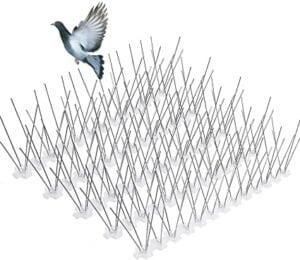
by Pigeon Patrol | Jan 20, 2021 | Animal Deterrent Products, Bird Deterrent Products, Bird Netting, Bird Spikes, Columbidae
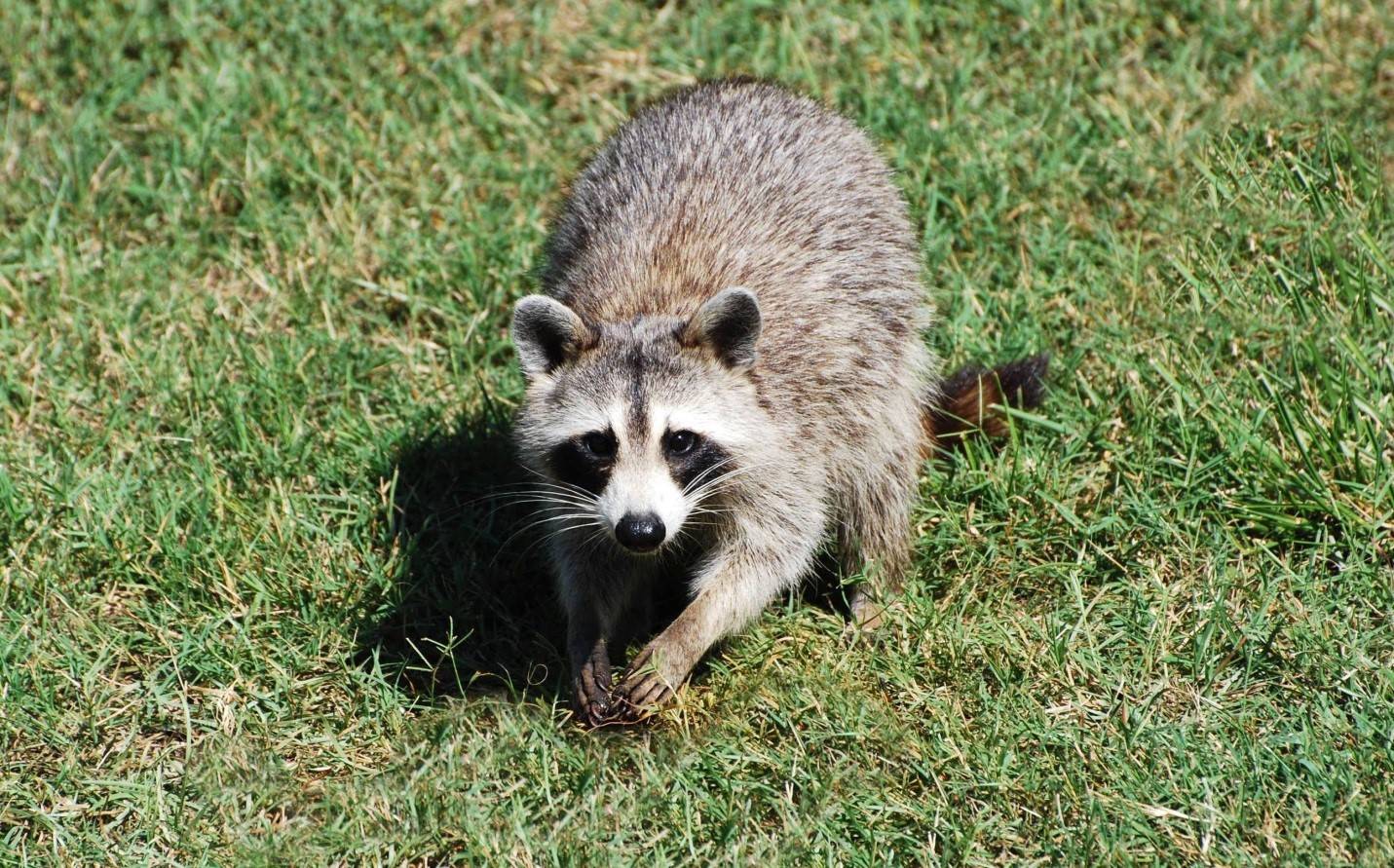
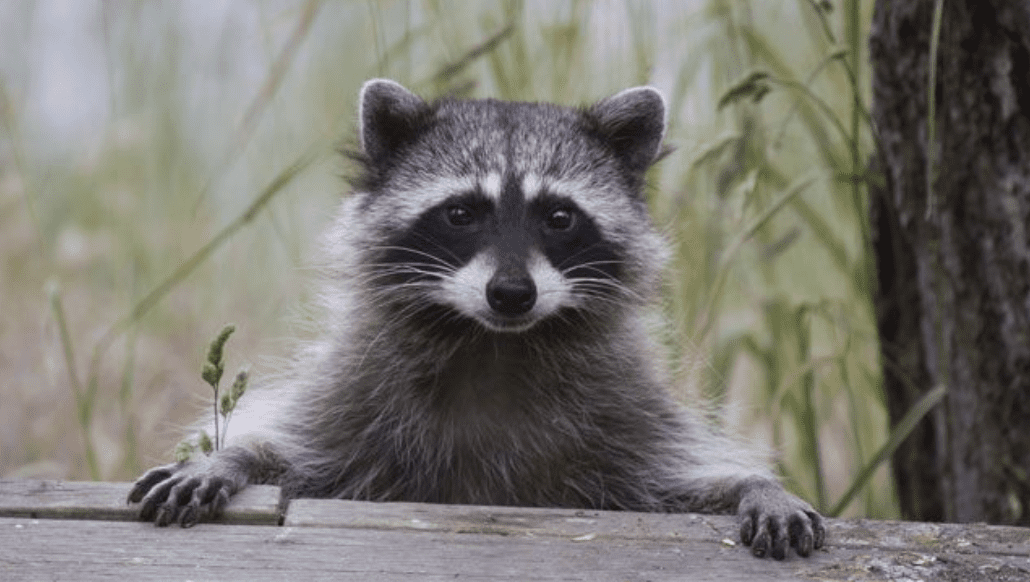
Few people can resist the dangerous amount of cuteness of raccoons. The narrow, pointy muzzle, the large black eyes ringed with white, the front paw fingers resembling human hands, and the striped bushy tails make the little buggers hard to resist. Not to mention their extraordinary intelligence and ability to get into almost any place, pick locks, pull out drawers, and open door latches in search for food, rightfully earning their reputation as the “masked bandits.”
But as awesome little animals as they may be (sometimes competing with dogs and cats for people’s affection), raccoons remain wild animals with a destructive nature. Due to the major property damage they cause to the house and garden, they are usually not welcomed on people’s property and considered pests. So Why Are Raccoons Considered Pests?
Damage to House
- Stink up the place: During spring, females will start looking for a safe place to stay and give birth to their babies, and the warmth and comfort of your house can easily make it a perfect substitute for a natural den. And although they aren’t out to ruin your home or endanger your health, they can do both by moving into your attic, getting inside the chimney, or taking residence inside wall voids or under decks.
- Destroy insulation: Since they are large mammals (weighing between 11 and 14 kg), raccoons can easily trample insulation just by walking on it. Pregnant females will compact large areas to sleep and nurse their babies, causing extensive damage and reducing the insulation’s effectiveness in keeping the house cool in summer and warm during winter.
- Damage roofs: To gain access inside a structure, to obtain bedding material, or sometimes just for fun, raccoons will rip off shingles, break or chew fascia boards, chew holes into soffits, rip apart ducts, or break attic vents. A small opening (usually no larger than 4-6 inches) is enough for the rascals to get inside.
Damage to Garden
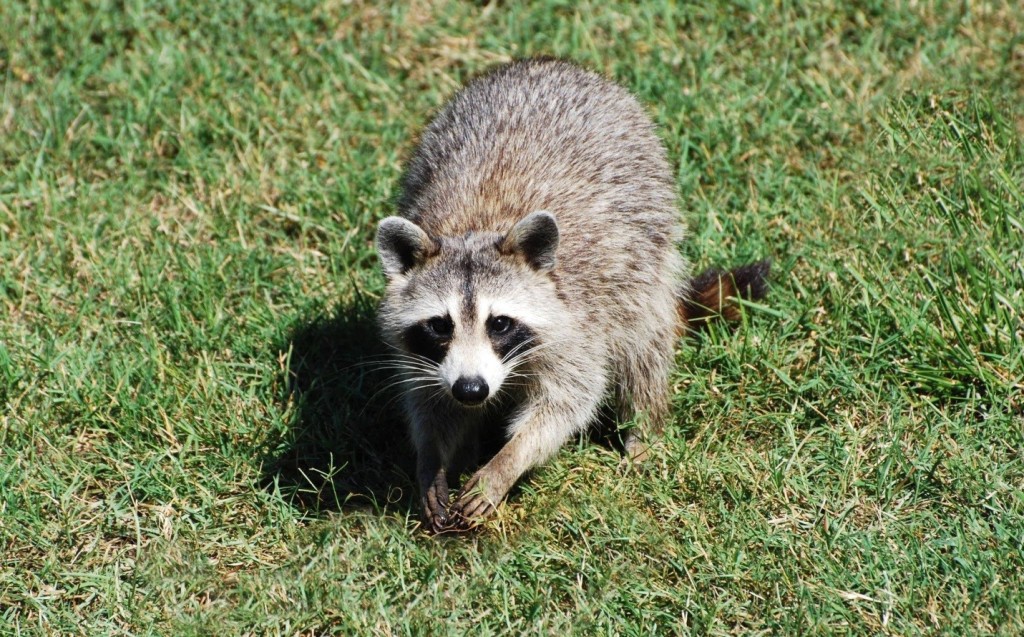
- Damage crops: Raccoons are particularly fond of a sweet corn garden, which they will invade a couple of days before harvest. They rarely damage corn until mid-June, which marks the beginning of the corn reproductive stages (the milk stage of development). Depending on the size of the plant and the height of the animal, raccoons will either feed standing up or climb the stalk to get to the higher ears. For the affected crops, this type of damage often results in 90-100% yield losses.
- Kill poultry: Raccoons can reach through the wire of cages and pens to get to the poultry kept inside, and many times they mutilate the birds by trying to pull them through the wire by their head or legs. Their MO involves biting off and tossing adult birds’ heads, chewing the contents of the crop and sometimes the chest, and throwing the rest away.
- Dig up soil and damage lawns: Raccoons, as well as skunks, can turn out to be a real problem for homeowners, particularly in the spring and fall, when they start looking for earthworms, grubs, and other soil insects through the freshly laid turf. This is usually done by young raccoons that are learning to find food on their own or during periods when other food is scarce.
- Use your woodpile as their latrine: Raccoons typically dump their feces in communal sites called latrines, and they usually prefer to leave their droppings at the base of a tree, on logs and stumps, or inside a woodpile. If you’re storing firewood outside, and your house is often visited by raccoons, chances are they either use the woodpile as a latrine, endangering the health of anyone who comes into contact with their contaminated urine and feces, or use it as a temporary den.
How Can You Stop Them?
Raccoons in many urban and suburban environments are learning that residential properties are safer, warmer, and more comfortable than the usual hollow trees they use as denning sites; moreover, they also provide a seemingly infinite supply of food and water. Convincing them to leave is, thus, a rather challenging task, especially considering their persistence and resourceful nature.
If you have been noticing raccoon damage around your house and outbuilding, the best thing to do is let professionals handle the difficult, and sometimes outright dangerous, task to deter the animals from your property. A combination of exclusion techniques, scare tactics, and trapping will likely be used to eliminate existing populations and limit raccoon nuisance on your property. Contact your local company to schedule an inspection and determine the size of your problem and the best course of action.
Pigeon Patrol Products & Services is the leading manufacturer and distributor of bird deterrent (control) products in Canada. Pigeon Patrol products have solved pest bird problems in industrial, commercial, and residential settings since 2000, by using safe and humane bird deterrents with only bird and animal friendly solutions. At Pigeon Patrol, we manufacture and offer a variety of bird deterrents, ranging from Ultra-flex Bird Spikes with UV protection, Bird Netting, 4-S Gel and the best Ultrasonic and audible sound devices on the market today.
Contact us at 1- 877– 4– NO-BIRD, (604) 585-9279 or visit our website at www.pigeonpatrol.ca
Pigeon / Pigeon Patrol / Pigeons Roosting / Vancouver Pigeon Patrol / Bird Control / Surrey Pigeon Control / Pest / Vancouver Pigeon Blog / Birds Inside Home / Pigeons in the cities / Ice Pigeons/ What to do about pigeons/ most common types of sparrows , Damages Caused by Sparrows, How To Keep Raccoons Away, Why Are Raccoons Considered Pests?de-fence, Pigeon Nesting and Breeding Patterns and Behavior What Do I Do With a Bird Trapped in My Wall? Professional Bird Control Company Keep The Birds Away From Your Business Why Are Raccoons Considered Pests?
by Pigeon Patrol | Jan 20, 2021 | Bird Deterrent Products, Bird Netting, Bird Spikes, Columbidae
Why Swallows Are Considered Pests
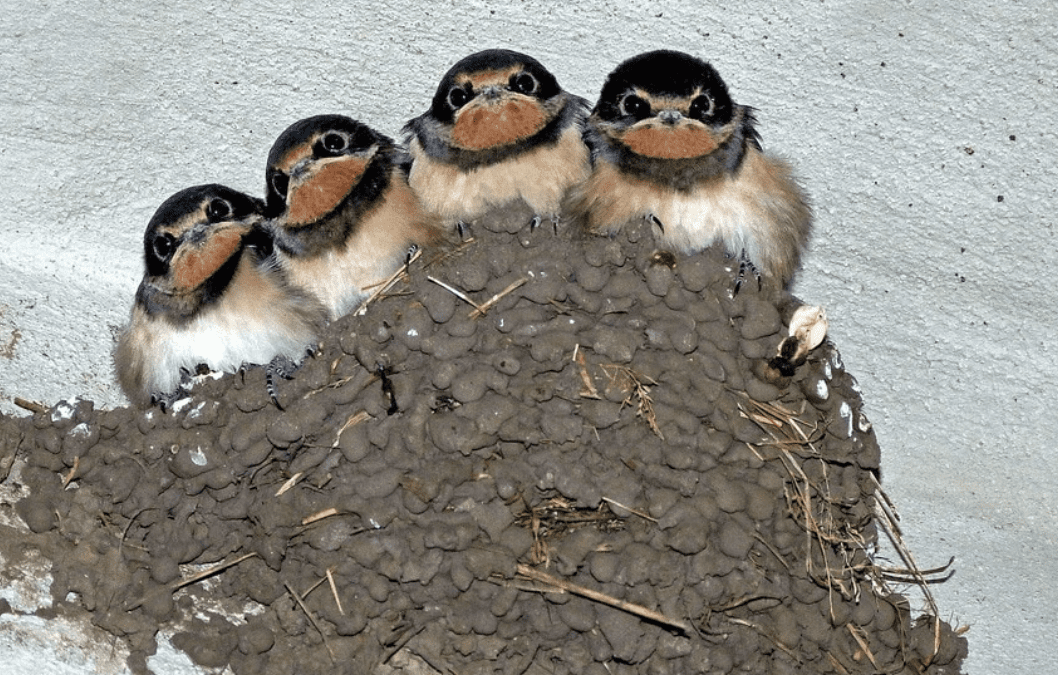
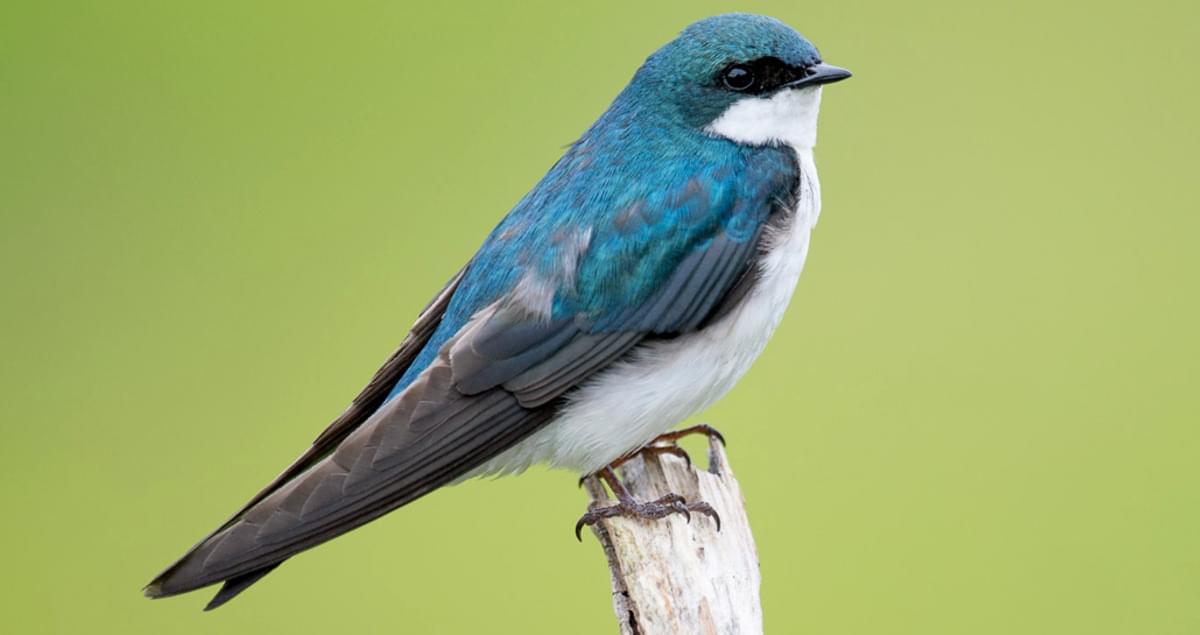
Mud, cliff or barn swallows flock to homes, buildings and structures, building their mud nests with a mix of sand, grasses, hair and feathers. The little nests can be very prolific, with colonies of several hundred nests lined up vertically. Female swallows can lay as many as six eggs at a time, beginning as early as March. The eggs will hatch in 12 to 17 days. Here’s how swallows have become such a pest bird.
Appearance Problem
Swallows’ bowl-shaped nests under the overhangs and ledges of a building can create a real distraction. Businesses, especially those that serve food, can lose customers when these nests are scattered overhead and bird droppings cover floors and walkways. Fail to remove these mud nests and they will stain virtually any surface. This defacement and damage can result in costly maintenance and repairs.
Health Problem
For businesses that store, process, display or serve food, swallow droppings can easily contaminate these areas, especially if food is served or displayed outdoors. The bacteria, fungal agents and parasites found in swallow droppings and nests can carry such serious diseases as histoplasmosis, encephalitis, salmonella, meningitis, toxoplasmosis and more. Health inspectors can shut down a business that suffers from too many bird droppings and nests.
Slip-and-Fall Problem
Another problem with swallows around any building is the dangerous slip-and-fall hazard their droppings create. Besides wet droppings, dried droppings freshened by rain, dew or sprinklers can result in a very slippery surface. Failure to address this issue can create serious legal problems should someone trip, fall and become injured.

Gutter/Airflow Problem
Swallow droppings, nests and feathers can also interfere with the flow of rain in gutters, resulting in roof leaks. This debris can even block a chimney or air vent, creating a potential fire hazard and unsafe levels of carbon monoxide in the home.
Removal Issues
As many businesses have discovered, getting rid of migratory birds like swallows can get complicated. Swallows are protected by the Migratory Bird Treaty Act of 1918, which makes it illegal to intentionally capture, kill or disrupt any migratory bird or the nests and eggs of such birds. The goal should always be proactive through humane and effective bird deterrent methods to keep these birds from nesting in the first place. Source
Pigeon Patrol Products & Services is the leading manufacturer and distributor of bird deterrent (control) products in Canada. Pigeon Patrol products have solved pest bird problems in industrial, commercial, and residential settings since 2000, by using safe and humane bird deterrents with only bird and animal friendly solutions. At Pigeon Patrol, we manufacture and offer a variety of bird deterrents, ranging from Ultra-flex Bird Spikes with UV protection, Bird Netting, 4-S Gel and the best Ultrasonic and audible sound devices on the market today.
Contact us at 1- 877– 4– NO-BIRD, (604) 585-9279 or visit our website at www.pigeonpatrol.ca
Pigeon / Pigeon Patrol / Pigeons Roosting / Vancouver Pigeon Patrol / Bird Control / Surrey Pigeon Control / Pest / Vancouver Pigeon Blog / Birds Inside Home / Pigeons in the cities / Ice Pigeons/ What to do about pigeons/ most common types of sparrows , Damages Caused by Sparrows, How To Keep Raccoons Away, de-fence, Pigeon Nesting and Breeding Patterns and Behavior What Do I Do With a Bird Trapped in My Wall? Professional Bird Control Company Keep The Birds Away From Your Business Why Swallows Are Considered Pests