by Pigeon Patrol | Jan 25, 2022 | Bird Spike, Pigeon Spikes, Pigeons, Pigeons in the News, Raccoons, Sparrows, UltraSonic Bird Control
A freewheeling flock of birds is one of nature’s most endearing spectacles. The flock’s members move with uncanny coordination, changing direction in unison, splitting and reforming, and even landing as one. The intricacies of these synchronised flights are very difficult to entangle. Who is following whom? Is there even a leader and, if so, does the same bird always take up pole position? Our feeble eyes could never hope to discern the answers just by watching a flying flock. But fortunately, we have technology that can do the job for us.
, Budapest, has found that flying pigeons obey strict chains of command, even when in flight. He used state-of-the-art GPS devices to track the movements of groups of ten pigeons with exquisite sensitivity. The lightweight monitors, just 16g in weight, captured the subtleties of the pigeons’ twists and turns in mere fractions of a second. Back on the ground, Nagy analysed their recordings to show that pigeons fly according to the pecking orders they establish on the ground. The dominant bird takes the lead and the others follow his directions. Studying the collective movements of animal groups has been a difficult challenge. Many cameras can be used to film animals moving within the same block of space, but the jostling bodies often block one another from view. Mathematical models can tell us about the basic rules that groups of moving animals adhere to, but they are difficult to test in real life. But our technology has now become advanced enough to start skirting around these problems. For scientists studying birds, the key breakthrough was the creation of sensors that are light enough to be strapped to a flying bird without compromising its aerial abilities. Now, these sensors include GPS devices that can record a bird’s speed and direction every fifth of a second. Nagy attached such devices to 13 homing pigeons and watched as they flew in flocks of 7 to 11 birds.
Nagy catalogued every instance when one pigeon changed direction only to be followed by another. By pooling together this data, he created a network of leaders and followers, showing the relationship of each bird to its peers. This colourful diagram shows one such network. Each circle represents an individual pigeon, the arrows point from a leading bird to one that follows it, and the numbers represent the time delay between the leader’s movements and those of its follower’s. The networks showed that flocking pigeons maintain a dependable hierarchy on the wing. On average, when a leading bird changed direction, its followers would follow suit after around a third of a second. Birds will consistently copy the movements of specific individuals further up the pecking order and, in turn, they are consistently copied by more junior underlings. What makes a leading pigeon? It seems that skill counts for something. Nagy released each of his birds on a solo flight, some distance from home. When they returned, he found that those who arrived home quickest were also most likely to wield leadership authority, although this link between navigation ability and seniority wasn’t quite statistically significant. Indeed, the chains of seniority within pigeon flocks are fairly flexible, changing dynamically from flight to flight. Influential birds tend to remain influential but Tamas Vicsek, who led the study, says, “There are days when the pigeon which takes the role most of the time is less active. Perhaps it did not have a good sleep! During these days some of the birds on lower levels of the hierarchy have their chance to lead.” Nagy’s data also revealed that leaders do indeed take up pole position at the front of the flock. That may seem intuitively obvious to us, but remember that pigeons have a field of vision that extends for almost a full 360 degrees. When you can easily see individuals flying behind you, the leading bird doesn’t necessarily need to be at the front, and yet it does. More surprisingly, leaders also tend to stay on the left of the flock. Nagy found that the more time that a bird spent behind a leading partner, the more likely it was to be flying on that partner’s right. There’s an obvious reason for this – like us, pigeons have highly asymmetric brains with each half wielding greater influence over certain thought processes. Their right brain, which receives signals from the left eye, controls the ability to recognise other pigeons. So if a pigeon sees one of its peers through its left eye, rather than its right, it responds more quickly or more strongly.
Source
Pigeon Patrol Products & Services is the leading manufacturer and distributor of bird deterrent (control) products in Canada. Pigeon Patrol products have solved pest bird problems in industrial, commercial, and residential settings since 2000, by using safe and humane bird deterrents with only bird and animal friendly solutions. At Pigeon Patrol, we manufacture and offer a variety of bird deterrents, ranging from Ultra-flex Bird Spikes with UV protection, Bird Netting, 4-S Bird Gel and the best Ultrasonic and audible sound devices on the market today.
Voted Best Canadian wholesaler for Bird Deterrent products ten years in a row.
Contact us at 1- 877– 4– NO-BIRD, (604) 585-9279 or visit our website at www.pigeonpatrol.ca
Pigeon/Pigeon Patrol / Pigeons Roosting / Vancouver Pigeon Control /Bird Spikes / Bird Control / Bird Deterrent / Pigeon Deterrent? Surrey Pigeon Control / Pest /Seagull deterrent / Vancouver Pigeon Blog / Birds Inside Home / Pigeons in the cities / Ice Pigeons/ What to do about pigeons/ sparrows , Damage by Sparrows, How To Keep Raccoons Away, Why Are Raccoons Considered Pests/ De-fence / Pigeon Nesting/ Bird Droppings / Pigeon Dropping/ woodpecker control/ Professional Bird Control Company/ Keep The Birds Away/ Birds/rats/ seagull/pigeon/woodpecker/ dove/sparrow/pidgeon control/pidgeon problem/ pidgeon control/flying rats/ pigeon Problems/ bird netting/bird gel/bird spray/bird nails/ bird guard
by Pigeon Patrol | Jan 25, 2022 | Pigeon Droppings, Pigeon Patrol's Services, Pigeon Predators, Pigeon Spikes, Pigeons, Pigeons in the News
Even the bird-brained can follow a leader. When pigeons fly in flocks, each bird falls behind another with better navigational skill, and the savviest among them leads the flock, scientists report in the April 8 Nature.
The research suggests hierarchies can serve peaceful purposes in the animal kingdom, where dominance by brute force is often the rule. “A pecking order tends to be just that — a pecking order,” says Iain Couzin of Princeton University, an expert in collective behavior who was not involved in the research.
The research also suggests that for pigeons, dominance isn’t set in stone. While one bird often emerged as the leader, other birds also stepped up. This flexibility in leadership had previously been seen only in some small groups of fish.
From schools to packs to swarms to flocks, collective behavior is widespread among animals. But in many cases, the important interactions are with nearest neighbors, and control of the group’s movement is distributed among members rather than hierarchical.

Biological physicist Tamás Vicsek of Eötvös Loránd University in Budapest and his colleagues studied flight dynamics in homing pigeons, which fly in flocks but conveniently return to their roosts. The researchers outfitted 13 pigeons with tiny backpacks carrying GPS devices that measured shifts in birds’ flight direction five times per second. Flocks of eight to 10 birds flew with the devices during homing flights (a roughly 14-kilometer trip back to the roost) and spontaneous “free” flights near home. Each bird also flew solo flights of about 15 kilometers each.
Analysis of GPS logs showed that for each excursion, the flock had one leader followed by at least three or four other birds. Each of these followers was in turn followed by other birds in the flock. Comparing the solo flight paths to the group flights showed that the birds with the best navigational skills led the flock.
While flocks have hierarchies, they’re not dictatorships, notes Vicsek. One bird led eight of the 13 flights, while other birds took the lead on the rest of the trips. Vicsek likens the dynamics to a group of peers deciding where to eat dinner. “Maybe someone knows the area restaurants best, or there is a person who’s a gourmand — or maybe they are the most outspoken,” he says. This one person might pick the place to eat for several nights, although another person might chime in now and then. And then there is the person with no say, whom everyone knows has terrible taste in food.
“These pigeons know each other. They know which is the smartest. The fastest bird will even follow the slower one who knows the way home the best,” say Vicsek. Videos of the birds’ positions during flight showed that if the best navigator moves a little to the left, it takes about a third of a second for other birds to do the same. But if the least savvy bird makes a move “the others don’t care,” Vicsek says.
Pigeons’ brains may be wired for follow-the-leader, comments behavioral neuroscientist Lucia Jacobs of the University of California, Berkeley. When the left eye sees something, for example, it sends all the visual information to the right brain hemisphere, and vice versa. This “extreme lateralization” may play a role in organizing flocks, the new work suggests. A pigeon following another was most likely to be flying on its partner’s right, seeing this leader with its left eye. “It’s very cool,” Jacobs says.
Source
Pigeon Patrol Products & Services is the leading manufacturer and distributor of bird deterrent (control) products in Canada. Pigeon Patrol products have solved pest bird problems in industrial, commercial, and residential settings since 2000, by using safe and humane bird deterrents with only bird and animal friendly solutions. At Pigeon Patrol, we manufacture and offer a variety of bird deterrents, ranging from Ultra-flex Bird Spikes with UV protection, Bird Netting, 4-S Bird Gel and the best Ultrasonic and audible sound devices on the market today.
Voted Best Canadian wholesaler for Bird Deterrent products ten years in a row.
Contact us at 1- 877– 4– NO-BIRD, (604) 585-9279 or visit our website at www.pigeonpatrol.ca
Pigeon/Pigeon Patrol / Pigeons Roosting / Vancouver Pigeon Control /Bird Spikes / Bird Control / Bird Deterrent / Pigeon Deterrent? Surrey Pigeon Control / Pest /Seagull deterrent / Vancouver Pigeon Blog / Birds Inside Home / Pigeons in the cities / Ice Pigeons/ What to do about pigeons/ sparrows , Damage by Sparrows, How To Keep Raccoons Away, Why Are Raccoons Considered Pests/ De-fence / Pigeon Nesting/ Bird Droppings / Pigeon Dropping/ woodpecker control/ Professional Bird Control Company/ Keep The Birds Away/ Birds/rats/ seagull/pigeon/woodpecker/ dove/sparrow/pidgeon control/pidgeon problem/ pidgeon control/flying rats/ pigeon Problems/ bird netting/bird gel/bird spray/bird nails/ bird guard
by Pigeon Patrol | Jan 4, 2022 | Pigeon Predators, Pigeon Spikes, Pigeons, Pigeons in the News, Raccoons, Sparrows
Pigeons are those cute, plump little birds that seem to pop up everywhere. From the Rock Pigeon to the Mourning Dove, there are many different types of these birds roaming in the city and country. One unique habit of these birds is the way they nest. They have a unique way of building their nests, taking turns sitting on the eggs, and then taking care of their young in that nest. We have all you need to know about pigeon nesting habits.
Pigeon Nest Locations
The main requirement for a pigeon nesting site is that it is dry and protected on a flat surface. They usually like to nest in attics, on roofs, ledges, eaves, and under bridges. Their natural nesting site would be on a rocky cliff crevice or in a cave. This is why they typically nest on high, flat ledges.
Courting And The Nest
The nest isn’t a true home until a male pigeon finds his mate. The male starts to build the nest while calling out for a mate. He’ll sit on the nesting site until he attracts his lady. He will often strut around cooing at his favorite lady. If the female is interested, she will return the favor. The two will “kiss” by billing each other. After the male pigeon attracts his favorite female pigeon, he will start searching for nesting material. He does not want to waste any time. He will start to bring her one twig at a time. If the female pigeon doesn’t stay up to his pace, he will drive her into the nest and strike her with his wings. Finally, the female will take the twigs he has brought her, tucking them underneath her as the nest starts to build around her. Pigeons usually remain together for eternity. They usually mate in pairs. After they go through their dating stage and mate, it’s time to have squabs. If one of the pigeons passes away or is somehow separated, one will mate with another single bird. During the day, the male sits on the completed nest that usually contains one or two eggs. The female will take her turn overnight. Pigeons nest throughout the year. They might have 10 squabs each year.
The Look Of A Pigeon Nest
If you stumble upon a pigeon’s nest, it’s not a pretty sight. It looks like a mess of grass stems, pine needles, twigs, sticks, and other debris. It’s piled up with a small depression in the middle. A nest is used throughout the year, so it will start to accumulate more droppings and feathers. Many birds remove droppings from the nest, but pigeons do not. The droppings start to essentially glue together all of the nesting materials. After a brood is pushed out of the nest, the pair uses the same site for the next brood. They simply add new nesting material. These “new” nests may include mummies of pigeons that didn’t survive and unhatched eggs. A nest that is reused multiple years may grow up to eight inches tall and 20 inches wide. They may weigh almost five pounds.
Nest Eggs
The female usually lays about two eggs within the first few days of nesting. One unique thing about pigeons is that both the male and female will sit on the eggs to insulate them. Most of the time, the female will be in the nest from the middle of the afternoon to the middle of the morning. This will go on for about 18 days.
The young pigeons called “squabs” are born covered in yellow down. While the squabs are in the nest, they eat crop milk. Crop milk is thick regurgitated liquid that comes straight from the parents’ mouth. Squabs are fed this way for about ten days when they can start eating what the adult female and male pigeon eat. The squabs will double their size in about two days. This makes baby pigeons one of the fastest growing vertebrates. In two weeks, baby pigeons will get their flight feathers. They’re covered in feathers by their third week of life. Their tail will completely full of feathers by their 28th day of life. It’s now time to leave the nest. The time that a squab is in their nest is about 15 days longer than most backyard birds. Once the pigeon is gone, the female pigeon will begin laying new eggs almost every month.
Getting A Glimpse Of Squabs
Many people wonder why they never see baby pigeons. This is because baby pigeons love their nest. They hang out in their nest as their feathers grow in. Squabs are a tasty dinner, so it’s important they stay in their nest so they aren’t eaten. The baby pigeons will finally leave their nest when they are full grown. The short, fat pigeons that are usually seen on your lawn, woodpigeons, you’ll be able to identify a young pigeon because they don’t have a white flash on their neck until they’re adults. Getting a glimpse of these babies is tough because they’re well protected and don’t need to leave until it’s time.
Unique Eating In The Nest
If you are lucky enough to observe baby pigeons, you’ll notice their feeding cycle is unique to other birds. Besides eating their crop milk, they have other special patterns. Either the female or the male will feed the squabs. Once the parent lands near their nest, it seems to be a race as to which bird will be the first to insert their tiny beak to get that food. The parents stay dedicated to feeding their babies until they’re able to leave the nest. Every day, one or the other would arrive with food for the young birds.
NOTE: though tempting, if you stumble upon a pigeon nest, try to resist the urge to feed the squabs yourself. It’s important that they get fed by mom or dad. If you want to help out and do your part, the adult pigeons would probably love some pigeon seed.
Returning Home
Pigeons are loyal to their nests. As we mentioned before, they have numerous broods in one nest. These birds are known to return to whatever their home may be. Pigeons were used to carry messages are far back as 2500 BC, The ancient Greeks and Romans used them to carry messages, then Persia and Syria made a messaging service with pigeons. In the 19th century, pigeons carried messages for news agencies and financial institutions and news agencies in Europe and even providing an airmail service in New Zealand. The point is that pigeons are a bird that know how to take a message somewhere then return home. They can gather food all day, then return to their nest without any issues.
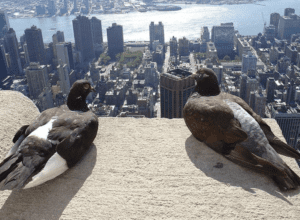
Pigeon Nests And You
Depending on where you live, you may want to help provide nests for the local pigeons (or alternatively if there are too many pigeons around already, possibly deter them from nesting in your area). Here are some tips:
Providing Nests
If you are in a place where you can provide a nest for pigeons, it’s important that each pair of birds gets at least two nests. This is because pigeons usually have a few broods of squads. They need two nests so they can adequately care for each brood of the baby pigeons or their eggs. Their nest should be build twelve inches square. You should always attach a three-inch long perch. They prefer tobacco stems, straw, or hay as the base of a constructed nest.
Deterring Nests
If you would rather your home not become a nest for these sweet squabs, you should keep things very clean. Pigeons like to build nests in a place of shelter. They don’t like a lot clutter or clamor. They usually make their nests when no one is using an areas. If you don’t want them on your patio, make sure to keep it swept. They love to pick up leftover debris to make nests.
Moving A Nest
It’s important to never move a pigeon’s nest. It might seem normal if you think they might be in danger, but a nest location is critical to their survival. Only licensed professionals can move a pigeon’s nest. Pigeons don’t have a sense of smell to find their new nesting location. If you move a nest, the parent may abandon their young. This is critical because squabs need parents, even after they have left the nest. The male and female pigeon will still show their young how to escape from predators, fly, and integrate with the flock. If you need to move a nest, it is best to wait a few months until the squabs are for sure out and about on their own. The parents will be forced to make a new nest elsewhere for their next brood.
Backyard Tips
You may spot a pigeon in your backyard. They are attracted to large, open areas where it is easy for them to find food places on the ground. The only issue with this is that ground food can attract rodents. It’s usually best to only feed pigeons when you see them in your yard. They enjoy peas, dried corn, or sorghum.
Final Words
A pigeon nest is a unique home that can house hundreds of birds over time. Each brood is full of new squabs hungry for their new life. If you get a chance to see a squab in their pigeon nest, take note of the excitement. The nest is an artistic place where parents can raise dozens of little squabs until they’re ready to bust into the world on their own.
Pigeon Patrol Products & Services is the leading manufacturer and distributor of bird deterrent (control) products in Canada. Pigeon Patrol products have solved pest bird problems in industrial, commercial, and residential settings since 2000, by using safe and humane bird deterrents with only bird and animal friendly solutions. At Pigeon Patrol, we manufacture and offer a variety of bird deterrents, ranging from Ultra-flex Bird Spikes with UV protection, Bird Netting, 4-S Bird Gel and the best Ultrasonic and audible sound devices on the market today.
Voted Best Canadian wholesaler for Bird Deterrent products ten years in a row.
Contact us at 1- 877– 4– NO-BIRD, (604) 585-9279 or visit our website at www.pigeonpatrol.ca
Pigeon/Pigeon Patrol / Pigeons Roosting / Vancouver Pigeon Control /Bird Spikes / Bird Control / Bird Deterrent / Pigeon Deterrent? Surrey Pigeon Control / Pest /Seagull deterrent / Vancouver Pigeon Blog / Birds Inside Home / Pigeons in the cities / Ice Pigeons/ What to do about pigeons/ sparrows , Damage by Sparrows, How To Keep Raccoons Away, Why Are Raccoons Considered Pests/ De-fence / Pigeon Nesting/ Bird Droppings / Pigeon Dropping/ woodpecker control/ Professional Bird Control Company/ Keep The Birds Away/ Birds/rats/ seagull/pigeon/woodpecker/ dove/sparrow/pidgeon control/pidgeon problem/ pidgeon control/flying rats/ pigeon Problems/ bird netting/bird gel/bird spray/bird nails/ bird guard
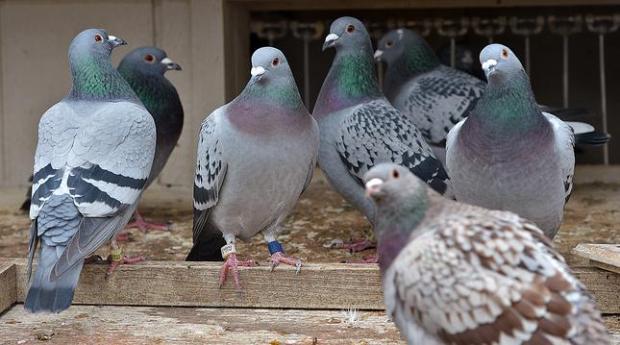
by Pigeon Patrol | Jan 4, 2022 | Columbidae, Doves, history of pigeons, MBCA, pet bird, Pigeon Control
Spotting a bird’s nest can fill families with delight – but what about when the inhabitants of a nest on your property are notorious pest birds?
More specifically: should you be worried about nesting pigeons on your property?
Pigeons have a reputation – and not entirely unfairly – as flying rats. As this is down to their propensity to spread disease, which, in itself, justifies any concerns you may have over finding a pigeon nest in your garden.
Can I move a pigeon nest?
Like all wild birds, nesting pigeons are protected by the law and can only be moved in exceptional circumstances.
It is considered an offence to move a nest during nesting season, which usually runs from spring through the summer.
These same rules apply to pigeons, so if you have serious concerns it is essential to seek professional advice.
Any attempt to move a bird’s nest should only be made when you are sure that the fledglings have left and it is dormant.
With pigeons, however, this can be trickier as they can often lay eggs three times throughout the summer and do not as a rule nest and lay eggs seasonally. This means that a nest could theoretically be in use year-round.
Why should I be worried about nesting pigeons?
The main concern people usually have relating to pigeons is the spread of disease. They have been linked to the spread of diseases such as histoplasmosis, which can cause serious lung problems, and salmonella.
This is spread through contact with pigeon droppings – or breathing in airborne particles.
Obviously when a pigeon is nesting close to the living area of your home, or in an area used for preparing or eating food this is more of a risk.
Likewise, many homeowners will be unhappy to discover pigeons nesting in their roof due to concerns about the spread of disease.
However, this is less of a problem if a pigeon’s nest has been found in your garden.
Along with the risk of disease, pigeons’ pest bird status owes something to the noise and mess these birds bring with them. Pigeon droppings can cause a hazard on walkways, encourage weeds and moss to grow on roofs and look unsightly. They are also noisy birds, which, in numbers can cause a noise nuisance around your home.
What should I do if pigeons are nesting on my property?
If a nest is established in an area where there are no serious safety concerns you will need to allow the eggs to hatch and fledgling birds to leave before you take action.
It is always advisable to seek help from a pest bird control expert, such as Total Bird Control to ensure that you act within the law. The best way to prevent pigeons returning to the property is to put in place pigeon deterrents, such as spikes and netting
Source
Pigeon Patrol Products & Services is the leading manufacturer and distributor of bird deterrent (control) products in Canada. Pigeon Patrol products have solved pest bird problems in industrial, commercial, and residential settings since 2000, by using safe and humane bird deterrents with only bird and animal friendly solutions. At Pigeon Patrol, we manufacture and offer a variety of bird deterrents, ranging from Ultra-flex Bird Spikes with UV protection, Bird Netting, 4-S Bird Gel and the best Ultrasonic and audible sound devices on the market today.
Voted Best Canadian wholesaler for Bird Deterrent products ten years in a row.
Contact us at 1- 877– 4– NO-BIRD, (604) 585-9279 or visit our website at www.pigeonpatrol.ca
Pigeon/Pigeon Patrol / Pigeons Roosting / Vancouver Pigeon Control /Bird Spikes / Bird Control / Bird Deterrent / Pigeon Deterrent? Surrey Pigeon Control / Pest /Seagull deterrent / Vancouver Pigeon Blog / Birds Inside Home / Pigeons in the cities / Ice Pigeons/ What to do about pigeons/ sparrows , Damage by Sparrows, How To Keep Raccoons Away, Why Are Raccoons Considered Pests/ De-fence / Pigeon Nesting/ Bird Droppings / Pigeon Dropping/ woodpecker control/ Professional Bird Control Company/ Keep The Birds Away/ Birds/rats/ seagull/pigeon/woodpecker/ dove/sparrow/pidgeon control/pidgeon problem/ pidgeon control/flying rats/ pigeon Problems/ bird netting/bird gel/bird spray/bird nails/ bird guard
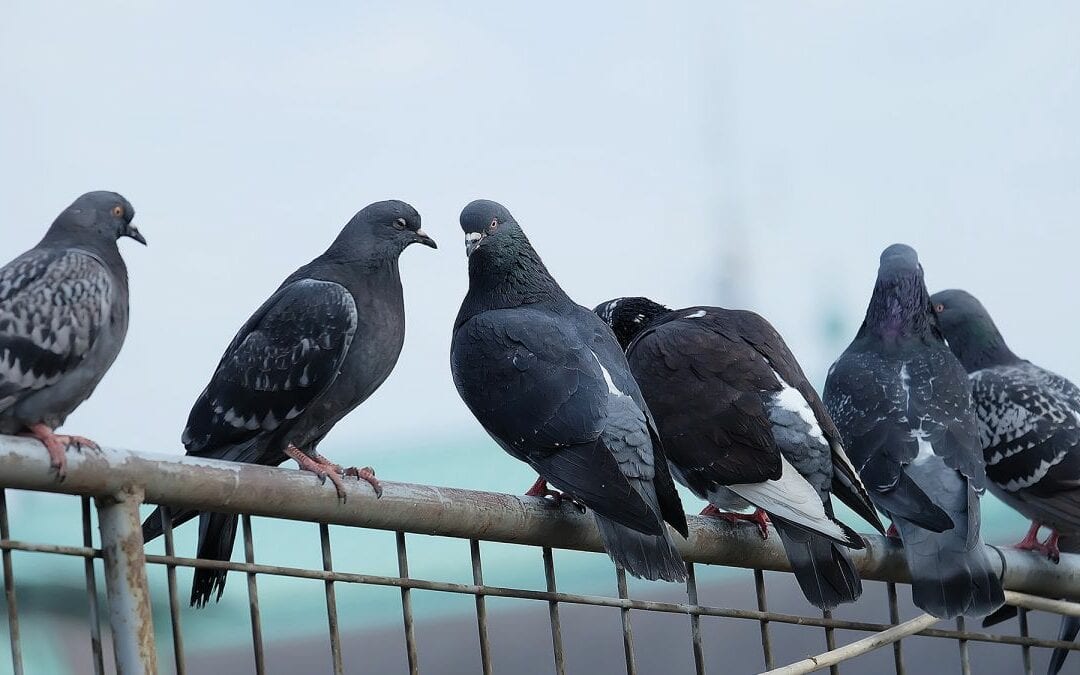
by Pigeon Patrol | Jan 4, 2022 | Bird Deterrent Products, Bird Law, Bird Netting, Bird Spikes, Columbidae
Did you find a pigeon nest with eggs in the geranium pot on the balcony? I bet that’s why you’re reading this article. Maybe you’re wondering what to do with it.
Do you keep it? Can you touch the pigeon eggs? Should you feed the mother bird?… Well, think again.
What should be done if you find a pigeon’s nest on your balcony?
If you find a pigeon’s nest on your balcony, the best thing to do is to get rid of it. Pigeons represent a severe health hazard for you and your loved ones. Do not touch it with your bare hands. Wear a pair of gloves, and remove it from your balcony.
Get rid of the nest together with its eggs. In order to discourage the mother to return to the nest, try placing a toy snake where you found the nest. Hopefully, this will scare the bird for a while.
Am I too cruel? Probably. However, as much as I love animals, in this specific case, I have no doubts: get rid of the nest and the eggs as fast as you can! Let me explain why.
Are pigeons dangerous?
Pigeons, especially those who live in the city, are carriers of diseases that sometimes can be very serious. They are not the kind of animal you want to keep as a pet on your balcony.
Not to mention how messy they are! Yes, you guessed it right. I am talking about their infamous droppings. Worthwhile mentioning it, three primary diseases are associated with pigeons that are dangerous for humans: Histoplasmosis, Cryptococcosis, and Psittacosis. Let’s explore this topic a little bit more.
HISTOPLASMOSIS:
Histoplasmosis is an infection caused by breathing in the spores of a fungus found in bird droppings. This disease affects the lungs. You can catch this disease by inhaling the spores in the air while performing cleaning jobs or any other type of project (such as renovations or demolitions) that can raise high levels of spores in the air, . The majority of people are asymptomatic; however, Histoplasmosis can be dangerous for those with a compromised immune system, such as infants and the elderly. As I said before, the majority of people won’t develop any symptoms, however, when the infection is severe, it can lead to a high fever, chest pains, and fatigue.
Some people can develop a chronic form of Histoplasmosis, which includes a bloody cough, mimicking symptoms of tuberculosis. If untreated, this disease could be fatal.
CRYPTOCOCCOSIS:
Cryptococcosis is caused by a fungus known as Cryptococcosis neoformans. It is a disease that affects the lungs and is associated with pigeon droppings, soil, and unwashed fruit. This disease is contagious and can spread from person to person. Generally, healthy people won’t develop any symptoms, but people with a compromised immune system such as elderly or infants are at a higher risk for contracting the disease. This infection attacks mostly the lungs, with minimal symptoms. In some rare cases, however, it can spread to the brain, the urinary tract, and the bones. When the infection reaches the brain, it can lead to meningitis and other serious complications.
PSITTACOSIS:
Psittacosis is also known as Ornithosis or Parrot Fever. It is an infection caused by a Chlamydia Psittaci, a fungus present in bird droppings. People can catch the disease by inhaling the fungus spores that are in the air. Symptoms can vary from headache, fever, dry cough, and pneumonia. People who are most affected by this disease are pet shop owners, workers in aviaries, and veterinary facilities. Psittacosis cannot be transmitted from person to person.
If the above still hasn’t convinced you, here is a list that will change your mind. You really don’t want to keep these pesty birds anywhere near you. Besides being disgusting, pigeon droppings are corrosive and can cause significant damage to roofs and balconies. It is also really difficult to scrap it from floors, and most probably will leave a stain if not cleaned in time. Also, the droppings are really hard to remove from smooth surfaces such as your car, the patio floor, but also from your clothes and your shoes.
The droppings can attract other unwelcome guests to your premises, such as flies and rats. Pigeons might cause damage to your vegetable garden. These birds are territorial and will scare smaller beneficial birds such as hummingbirds. They tend to return from season to season, which makes it very challenging to chase them away.
Well, now that I have convinced you to dispose of the pigeon’s nest with its eggs, comes the messy part: how to clean the balcony from pigeon droppings.
How to clean pigeon droppings
Generally speaking, cleaning windows and windowsills does not pose a health risk to you or to your family. However, you will need to take some precautions such as:
- Wearing disposable gloves and a mask
- Wearing closed-toe shoes
- Washing your clothes immediately after dealing with the droppings
- If you are thinking of scraping the dropping, wet them beforehand, to prevent inhaling the fungus spores that float in the air.
- Brush with warm soapy water. Where needed, you can add some baking soda to the soapy water solution. Throw away the brush or the sponge-cloth that you used for cleaning.
- Rinse thoroughly with a hose.
As I said before, pigeons will return, and once they spot your balcony as their favorite nesting place, you are doomed. They will return every season and nest there.
How do you tell if a pigeon is going to lay eggs in your balcony?
As soon as spring comes, around March/April, pigeons begin to look for air vents, vases, hidden corners on the terraces to establish their nest and create a family. You will surely notice a continuous flutter forward and backward. It’s the parents which take turns as soon as they establish their nest.
It will be challenging to move them. These birds will remember your house and will want to go back for generations.
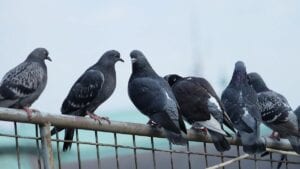
How to get rid of pigeons & How to prevent them from returning to your home
The secret to prevent pigeons from returning to your house is to make their landing place as inconvenient as possible. This is what you can do to scare pigeons off your property and to prevent from nesting in the future:
- Install some anti-roosting spikes. They are by far the most effective pigeon deterrents. I found them on Amazon and are pretty easy to install.
- Install a bird deterrent gel that is commercially available and that works on a multi-sensory level using sight, smell, and touch. This gel makes the surface where the pigeon lands very sticky.
- Install a wind chime on your balcony or your patio.
- Fasten some aluminum foil strings on your balcony railings.
- Put a decoy crow on your roof. Move the crow from time to time as pigeons are very clever and they will get use to it.
- Put a screen over attic vents, chimneys, and anywhere they can create a nest.
- Put a toy snake on your balcony or the place where they might build their nest. Once I made my own decoy DIY snake from a souvenir alligator head from Florida. I filled a black sock with some clothes and slipped it on the alligator’s head. (A word of advice: as time passes, just remember where you placed the snake… it might suddenly scare you to death when you least expect it! I am speaking from experience!)
I hope I have convinced you that pigeons are messy and also carry parasites. You won’t regret getting rid of their nest. Besides, have you ever seen what pigeon chicks look like? They are the scariest chicks ever!!
Source
Pigeon Patrol Products & Services is the leading manufacturer and distributor of bird deterrent (control) products in Canada. Pigeon Patrol products have solved pest bird problems in industrial, commercial, and residential settings since 2000, by using safe and humane bird deterrents with only bird and animal friendly solutions. At Pigeon Patrol, we manufacture and offer a variety of bird deterrents, ranging from Ultra-flex Bird Spikes with UV protection, Bird Netting, 4-S Bird Gel and the best Ultrasonic and audible sound devices on the market today.
Voted Best Canadian wholesaler for Bird Deterrent products ten years in a row.
Contact us at 1- 877– 4– NO-BIRD, (604) 585-9279 or visit our website at www.pigeonpatrol.ca
Pigeon/Pigeon Patrol / Pigeons Roosting / Vancouver Pigeon Control /Bird Spikes / Bird Control / Bird Deterrent / Pigeon Deterrent? Surrey Pigeon Control / Pest /Seagull deterrent / Vancouver Pigeon Blog / Birds Inside Home / Pigeons in the cities / Ice Pigeons/ What to do about pigeons/ sparrows , Damage by Sparrows, How To Keep Raccoons Away, Why Are Raccoons Considered Pests/ De-fence / Pigeon Nesting/ Bird Droppings / Pigeon Dropping/ woodpecker control/ Professional Bird Control Company/ Keep The Birds Away/ Birds/rats/ seagull/pigeon/woodpecker/ dove/sparrow/pidgeon control/pidgeon problem/ pidgeon control/flying rats/ pigeon Problems/ bird netting/bird gel/bird spray/bird nails/ bird guard