by Pigeon Patrol | Jan 13, 2020 | Animal Deterrent Products, Bird Deterrent Products, Bird Netting, Bird Spike, Bird Spikes, Pigeon Control, Pigeon Droppings, Pigeon Patrol's Services, Pigeon Spikes
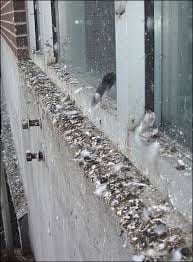
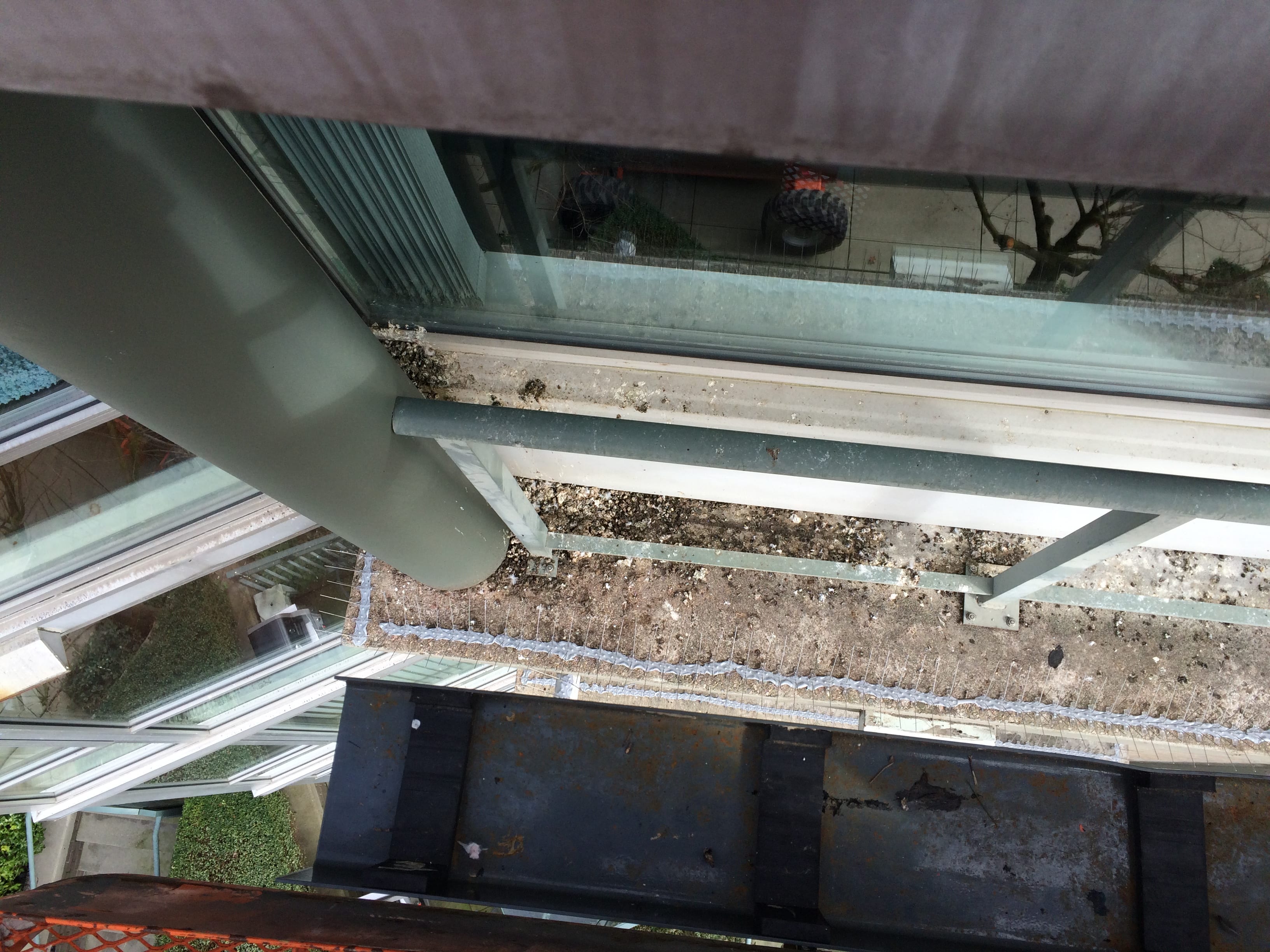
Bird droppings on building window
Feral pigeons (Columbia livia) are not harmless birds. Many potential infections of humans silently exist in pigeons which are not apparent. They have the potential for transmission of over 30 diseases to humans plus another ten to domestic animals. Environmental pollution from pigeon droppings is quite evident. Air pollution involves more than noxious gases from automobile exhausts and belching smokestacks. One serious air pollutant is air-borne fungi, which are agents for infectious diseases. There is much information written about the problem, but it remains primarily in the professional journals and technical references, neatly stacked away on library shelves. The objective of this paper is to provide a brief account of the major diseases and to assess their importance. Feral pigeons have been identified with mycotic, bacterial, protozoal, chlamydial, rickettsial, and parasitic diseases as well as dermatosis (Weber 1979). MYCOTIC diseases are not transmitted from humans to humans. Perhaps this is why they do not make the headlines. The fungi causing the diseases are acquired by inhaling the fruiting bodies or spores along with particles of dust. The fungi live saprophytically in feces and soil. Aspergillosis is caused by Aspergillus fumagatus. The fungus produces toxins which poison the victim’s blood. Pigeons assist the spread of the spores in airborne dust. Blastomycosis is caused by Blastomyces dermatitidus. It primarily affects the lungs; the main route of infection is by inhalation of spores. The organism has been isolated from pigeon manure. Candidiasis is caused by Candida spp., chiefly C. albicans. Nearly one-fourth of all mycotic deaths are caused by this yeast. It often affects the mouth, respiratory system, intestines, and urogenital tract, especially the vagina. Incidence of candidiasis (yeast infection) in women is an increasing problem. The discomfort of the itching, pain, and discharge caused by the growth of this fungus is.
ignificant enough to warrant the elimination of pigeons which are one of the three wild birds most frequently infected with Candida. Cryptococcosis is caused by a systemic pathogenic yeast called Cryptococcosus neoformans. No organ or tissue of the body is exempt. It very frequently involves the brain covering as cryptococcal meningitis. One Indianapolis victim spent 91 days in the hospital with cryptococcosis. The yeast is carried in the intestinal tract of pigeons and deposited in their feces (Newberry 1967). One Kansas City survey showed that 93% of the pigeon coops were infected. Histoplasmosis is caused by Histoplasma capsulatum. It is interesting to note that the disease was suggested at one time as a biological warfare agent because of its airborne route (Furcolow, personal communication, 1960). It is probably the second most significant fungus disease. The “summer flu” that midwesterners used to get is now thought to have been histoplasmosis (Personal communication, American Lung Association, 1974). It is basically a pulmonary disease but may extend to the liver, lymph nodes, and spleen. The organism may disseminate to the blood and bone marrow and be fatal. It may lodge in the eye to cause ocular histoplasmosis. Twenty-two cases were reported to the Indiana Board of Health in 1976. Pigeon feces fertilize the soil in such a way as to give the fungus competitive advantage over other soil microorganisms. The largest outbreak ever recorded occurred in Indianapolis during the winter of 1978-79 with over 450 confirmed cases. There were 18 deaths. BACTERIAL DISEASES identified with pigeons are listed. Erysipeloid generally starts in a break in the skin and is accompanied with a sensation of burning, throbbing pain, and intense itching. It is caused by Erysipelothrus insidiosis. Pigeons are involved in its transmission. Listeriosis is caused by Listeria monocytogenes. It causes changes in the cells of the nervous system. It may cause conjunctivitis, endocarditis, and skin infections. It can also cause meningitis in newborns, abortions, premature delivery, stillbirths, and death. The organism has been isolated from pigeons. Parteurellosis is caused by a highly contagious bacteria, Pasteurella multicida. The 157 disease may be divided in four groups of syndromes: 1) infection of the upper respiratory tract as nasal discharge or conjuntivitis, 2) infection of the lower respiratory tract as bronchitis or pneumonia, 3) infecton of internal organs as appendicitis or inflammation of the urinary tract, 4) abscessed wound infections. Pigeons can spread the bacteria through their droppings or nasal discharge. The organism can live as long as a month in pigeon manure or three months in a dead pigeon. Salmonellosis is more than food poisoning. Gastroenteritis is the most common manifestation. Enteric fever or septicemia may follow several weeks later as a relapse. Septicemias often terminate fatally. Persistent infections are less common but very important. There may be an abscess or local infection as arthritis, bronchopneumonia, endocarditis, meningitis, osteomyelitis, or pyeleonephritis. Pigeons are important in the spread of salmonellae, since the bacteria are left wherever the pigeons defecate (MÜller 1965). They trample back and forth through their copious excretion on window ledges and air intake vents. Dusts to contaminate food or homes enter through air conditioners and ventilators. The most common salmonella Isolated from pigeons is Salmonella typhimurum var. Copenhagen, which is found in about 2% of pigeon feces (MÜller 1965). Yersiniosis is a plague-like disease by Yersinia pseudotuberculosos and Y. enterocolitica. The disease is clinically indistinguishable from appendicitis. Both diseases cause fever, nausea, headache, hard and painful stomachs. Because of the similarity, there were 32 school children hospitalized in Oneida County, New York in September 1976. Fourteen were reported to have had unnecessary appendectomies. Y.enterocolitica serotype 8 was isolated from the ill children. It was first isolated from pigeons in 1916. Transmission may be through the feces, eggs, or ticks of pigeons (Hubert 1972). PROTOZOAN diseases include American trypansomiasis, toxoplasmosis, and trichomoniasis. American trypanosomiasis is caused by Trypanosoma cruzi. There is no vaccine, effective treatment, or cure for the disease. It is transmitted through the feces of infected triatimid bugs, as the pigeon kissing bug (Triatoma rubrofasciata). The bugs tend to feed at night while the victim is asleep the bug defecates during or soon after engorgement, and most human infections occur when the bug feces are rubbed into eyes or mucous membranes following a bite. Toxoplasmosis may be one of the most widespread zoonotic diseases in the United States. It is caused by Toxoplasma gondii. It has been shown to cause abortions in women (W.J. Schneider, personal communication, 1977). The organism seems to have an affinity for brain tissue; it may cause mental retardation and death. Pigeons frequently transmit toxoplasmosis through fecal contamination, respiratory droplets, eye secretions, contact with infected tissue, or through ectoparasites. Trichomoniasis is caused by Trichomonas gallinae. It may affect the genital tract. Pigeons are considered the primary host, with about 80-90% of the adults infected. VIRAL diseases include encephalitis, meningitis, and Newcastle. Eastern equine encephalomyelitis (EEE) is the most deadly of the North American arbovirus diseases. It has been known to cause mental retardation, convulsions, and paralysis. The mortality rate may be around 60%. Pigeons are considered an amplifying host for the virus (Fothergill et. al. 1938). St. Louis encephalitis (SLE) affects the nervous system, ranging from complete recovery to disorganization, paralysis, coma, and death. The mortality rate is usually 5-10%, in some cases up to 33%. Pigeons, English sparrows, and house finches are the three birds labeled as main reservoirs of SLE. West Nile encephalitis ranges from mild to fatal Infections. The virus has been isolated from pigeons. Western equine encephalomyelitis is much more present and dangerous than most people think. The fatality rate has been between 5 and 15%. Children under one year of age may never recover from an infection of the virus, often becoming total vegetables. Pigeons are one of the amplifying hosts (W.F. Rathel, personal communication, 1977). Meningitis causes as inflammation of the brain and its covering. Pigeons are subject to meningo-encephalitis. Newcastle disease often involves conjunctivitis, lacrimation, and a mild influenza-like infection. Pigeons are the third largest common carrier; the virus has been detected in their feces. CHLAMYDIAL and RICKETTSIAL diseases. Chlamydiosis, caused by Chlamydia psittiaci, is a generalized infectious disease that causes a flu-like respiratory infection with high fever, severe headache, and generalized aches and pains. Mortality is usually 158 restricted to the old, the weak, or those with concurrent disease. Pigeons are the most common and consistent source of all known hosts (Terskiph 1961). Over half of the pigeon population is or has been infected. Q fever is caused by Coxiella burnetti. It is characterized by a sudden onset of pneumonitis, sometimes causing death. Pigeons are involved as carriers (Syrcuek et al. 1956). Investigators have isolated C. burnetti from the Kidneys of a large number of pigeons. The disease can be transmitted by infected ticks, ingestion, or by inhalation of dust contaminated with the organism. PARASITIC WORMS include cestodes and trematodes. Taeniasis by large tapeworm is caused by Taenia saginata, with specimens up to 50 feet having been recovered. Pigeons have been incriminated as potential vectors. Schistosomiasis, one of the most prevalent diseases throughout the world, is caused by a water-borne trematode. Pigeons are associated with flukes in the watery areas where they exist. Other pigeon associated trematodes include Echinoparyphium paraulum, Echinoparyphium recurvatum, Echinostoma revolutum, Haplorchis pulimio, and Hypoderaeum conoideum. DERMATOSIS. Acariasis is caused by infection of mites. Bird mites were responsible for a case of pruritis in a North Carolina hospital. The mites originated in a pigeon nest in the ventilator.
About Pigeon Patrol:
Pigeon Patrol Products & Services is the leading manufacturer and distributor of bird deterrent (control) products in Canada. Pigeon Patrol products have solved pest bird problems in industrial, commercial, and residential settings since 2000, by using safe and humane bird deterrents with only bird and animal friendly solutions. At Pigeon Patrol, we manufacture and offer a variety of bird deterrents, ranging from Ultra-flex Bird Spikes with UV protection, Bird Netting, 4-S Gel and the best Ultrasonic and audible sound devices on the market today.
Contact us at 1- 877– 4– NO-BIRD, (604) 585-9279 or visit our website at www.pigeonpatrol.ca
Bird Gone, Pigeon Gone, Seagull Gone, Pigeon problems, pigeon spikes, 1-877-4NO-BIRD, 4-S Gel, Bird Control, Pigeon Control, bird repellent, Bird Spikes, sonic bird repellent, stainless steel bird spikes, bird spikes Vancouver, Ultra Sonic Bird Control, Bird Netting, Plastic Bird Spikes, Canada bird spike deterrents, Pigeon Pests, B Gone Pigeon, Pigeon Patrol, pest controller, pest control operator, pest control technician, Pigeon Control Products, humane pigeon spikes, pigeon deterrents, pigeon traps, Pigeon repellents, Sound & Laser Deterrents, wildlife control, raccoon, skunk, squirrel deterrent, De-Fence Spikes, Dragons Den, Canada bird spikes, Canada pigeon, pigeon control, pidgon patrol, pidgon. Kill pigeons, crow, starling
by Pigeon Patrol | Oct 18, 2019 | Animal Deterrent Products, Bird Netting, Pigeon Control, Pigeon Droppings, Pigeon Spikes, Pigeons in the News, UltraSonic Bird Control
BioMed Central
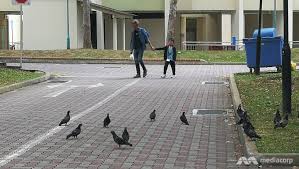
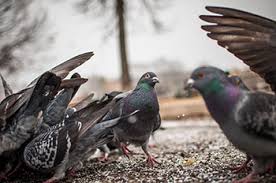
A sampling of pigeons captured on the streets of Madrid has revealed the bacterial pathogens they carry. Researchers found two bugs that were highly prevalent in the bird population, Chlamydophila psittaci and Campylobacter jejuni, both of which cause illness in humans.
*
Fernando Esperón from the Animal Health Research Center, Madrid, Spain, worked with a team of researchers to analyse blood and enema samples taken from 118 pigeons caught using gun-propelled nets.
He said, “the present study demonstrates the extremely high prevalence of two zoonotic pathogens in feral pigeons in Madrid. At the same time, infection with these pathogens did not appear to be associated with any harmful clinical signs in the birds themselves. This leads to the hypothesis that pigeons act as asymptomatic reservoirs of Chlamydophila psittaci and Campylobacter jejuni. These birds may therefore pose a public health risk to the human population.”
Chlamydophila psittaci was found in 52.6% of the pigeons captured, while Campylobacter jejuni was present in 69.1%. Although there have been few reports of disease transmission between pigeons and humans, it can occur by aerosols, direct contact or indirect contact through food and water contamination.
According to Esperón, “Thermophilic Campylobacter species are considered the primary pathogens responsible for acute diarrhea in the world. In fact, in many countries such as England and Wales, Canada, Australia and New Zealand Campylobacter jejuni infection causes more cases of acute diarrhea than infection by Salmonella species.”
About Pigeon Patrol:
Pigeon Patrol Products & Services is the leading manufacturer and distributor of bird deterrent (control) products in Canada. Pigeon Patrol products have solved pest bird problems in industrial, commercial, and residential settings since 2000, by using safe and humane bird deterrents with only bird and animal friendly solutions. At Pigeon Patrol, we manufacture and offer a variety of bird deterrents, ranging from Ultra-flex Bird Spikes with UV protection, Bird Netting, 4-S Gel and the best Ultrasonic and audible sound devices on the market today.
Contact us at 1- 877– 4– NO-BIRD, (604) 585-9279 or visit our website at www.pigeonpatrol.ca
Bird Gone, Pigeon Gone, Pigeon problems, pigeon spikes, 1-877-4NO-BIRD, 4-S Gel, Bird Control, Pigeon Control, bird repellent, Bird Spikes, sonic bird repellent, stainless steel bird spikes, bird spikes Vancouver, Ultra Sonic Bird Control, Bird Netting, Plastic Bird Spikes, Canada bird spike deterrents, Pigeon Pests, B Gone Pigeon, Pigeon Patrol, pest controller, pest control operator, pest control technician, Pigeon Control Products, humane pigeon spikes, pigeon deterrents, pigeon traps, Pigeon repellents, Sound & Laser Deterrents, wildlife control, raccoon, skunk, squirrel deterrent, De-Fence Spikes, Dragons Den.
by Pigeon Patrol | Oct 16, 2019 | 4-S Gel Bird repellent, Animal Deterrent Products, Bird Deterrent Products, Bird Netting, Bird Spike, Bird Spikes, Pigeon Control, Pigeon Droppings, Pigeon Patrol's Services, Pigeon Spikes, Pigeons in the News
Dirtiest Hotel in America” Looks to Clean Up
A day after being dubbed the filthiest in America, a Tennessee hotel is pledging to clean up.
The Grand Resort Hotel & Convention Center was ranked the filthiest hotel in America, according to ratings compiled and released by the travel review site TripAdvisor.
The historic Smoky Mountains hotel in Pigeon Forge, Tenn., was graded “terrible” by 161 of 224 reviewers on the site. Twenty-six called it “poor” and 15 gave it an “average” grade.
But CEO and General Manager Nicky Darrell Chaney said he has already fired one manager, hired a new maintenance manager and new head of housekeeping, and is in the process of using a new sanitizer to clean the rooms, reports CBS affiliate WVLT in Knoxville.
“We knew we had some problems, and we’ve started to work on these problems,” said Nicky Chaney, President and CEO of the company that runs the hotel. Chaney took over operations in December and vows to restore their public image.
“I fired one of the managers, I hired new maintenance, and new housekeeper,” he said. “We’re proud of what we’re doing now, and were excited about where we’re going to be in the next few weeks.
Chaney took over just last month as president and CEO of KMS Enterprises, which runs the Grand and several nearby properties owned by hotel magnate Kenneth M. Seaton.
“This is an issue the company is taking very seriously,” Chaney said a statement Tuesday.
Seaton also is a defendant in a civil lawsuit alleging sexual harassment of two former housekeepers hired to work in KMS hotels, the Sentinel reports.
Meanwhile, the Grand will have to keep making changes to stay ahead of negative reviews – and the unwanted spotlight following the TripAdvisor “award.”
“This is a nasty place, would not let my dog sleep there,” reviewer LaFolettePat wrote last week under the headline “health inspector please.”
JordynC’s assessment: “If you are looking for a hotel with: pubic hair stuck to the bathroom floor in some unidentifiable, gelatinous liquid; chewing tobacco spit oozing down the halls and corridors; spiders actively making webs in every corner of your room; carpeting so greasy and dirty you wouldn’t want to sit your luggage down – let alone walk around barefoot; dingy bedsheets and towels as rough and thin as sandpaper; and a room so putrid and smelly it causes a gag-reflex when you walk in… by all means, stay at The Grand Resort.”
About Pigeon Patrol:
Pigeon Patrol Products & Services is the leading manufacturer and distributor of bird deterrent (control) products in Canada. Pigeon Patrol products have solved pest bird problems in industrial, commercial, and residential settings since 2000, by using safe and humane bird deterrents with only bird and animal friendly solutions. At Pigeon Patrol, we manufacture and offer a variety of bird deterrents, ranging from Ultra-flex Bird Spikes with UV protection, Bird Netting, 4-S Gel and the best Ultrasonic and audible sound devices on the market today.
Contact us at 1- 877– 4– NO-BIRD, (604) 585-9279 or visit our website at www.pigeonpatrol.ca
Bird Gone, Pigeon Gone, Pigeon problems, pigeon spikes, 1-877-4NO-BIRD, 4-S Gel, Bird Control, Pigeon Control, bird repellent, Bird Spikes, sonic bird repellent, stainless steel bird spikes, bird spikes Vancouver, Ultra Sonic Bird Control, Bird Netting, Plastic Bird Spikes, Canada bird spike deterrents, Pigeon Pests, B Gone Pigeon, Pigeon Patrol, pest controller, pest control operator, pest control technician, Pigeon Control Products, humane pigeon spikes, pigeon deterrents, pigeon traps, Pigeon repellents, Sound & Laser Deterrents, wildlife control, raccoon, skunk, squirrel deterrent, De-Fence Spikes, Dragons Den.
by Pigeon Patrol | Aug 20, 2019 | 4-S Gel Bird repellent, Animal Deterrent Products, Bird Deterrent Products, Bird Netting, Pigeon Patrol's Services, Pigeon Spikes, Pigeons in the News, UltraSonic Bird Control
WIMBLEDON, England — Imagine the fluttering kerfuffle.
Roger Federer is serving for the Wimbledon title. He tosses the ball and cranes his neck.
Plop. A gift from a pigeon, right on the forehead.
Luckily, something like that hasn’t happened. At least not yet, not during a big match in recent memory.
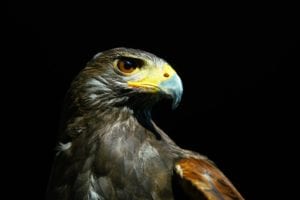
For that, Wimbledon can thank a brown and chestnut bird of prey with keen eyes, a four-foot wingspan and bone-crushing talons. His name is Rufus the Hawk, and he plays a crucial role at the world’s oldest tennis tournament.
Every day, in the early morning, well before the matches begin, Rufus soars the skies over the All England Club, on the prowl for pigeons.
Without him, Wimbledon just might descend into aviary chaos. Pigeons could reign supreme, not just in the air, but also in the rafters, on the rooftops and across the grass courts.
The place is perfect for pigeons. “All of the grass seeds, all of the nooks and crannies, and the food waste from the fans,” Wayne Davis, one of Rufus’s handlers, said. Without Rufus, he reckoned, pigeons would number in the hundreds.
Wayne Davis, one of Rufus’s handlers, with a younger companion of the hawk. “Feral pigeons breed year round,” he said. “If you have just one pair breeding in the rafters at Centre Court, you would end up by the end of the year with about 40 more birds. You could have Roger Federer serving and clouds of pigeons wafting about.
“And pigeon poop, too, of course.”
Flocks of pigeons became a growing problem in the late 1990s, a threat to the prim fastidiousness that Wimbledon prizes above all. That was when the All England Club telephoned Davis and his family-run Avian Environmental Consultants.
Another of their birds was the first to patrol Wimbledon. Then Rufus the Hawk took over. He has become an English icon.
From dawn to dusk, he soars, on the prowl for pigeons. He doesn’t kill them. He toys with them, barreling from above, twisting, turning, squawking and nipping at their wings, announcing to all that the skies over Wimbledon belong to him.
“The pigeons learned he was in charge,” Davis said. “Other than a few stragglers, they stopped coming around like they did before. He scares them away.”
Rufus would have been a fearsome predator in the wild. Although he weighs just 1 pound 6 ounces, he cuts a much larger figure with his confident bearing and cascade of feathers.
He can spread his talons almost as wide as a person’s hand, and he can see 10 times better than any human. He can focus on a pigeon from a mile way.
Davis and his daughter, Imogen, feed him by hand because his weight is important. At less than a pound and a half, he can become too hungry and might have a pigeon for lunch. Maybe in front of the royal box.
They have taught him to come when they whistle.
Most often, he does.
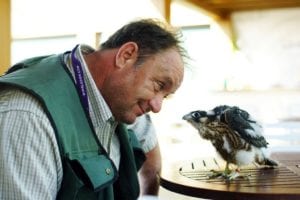
Rufus soars and (almost) always comes back.
On one occasion three years ago, however, Imogen Davis had to chase him down at a nearby golf course. He took off again, across a road, then out of sight. She followed the jingle of his small bronze bell, attached to a talon.
She found him in the middle of a pond, standing in a thicket of weeds, hovering over a freshly killed duck. She couldn’t let him eat it. A full tummy would mean he wouldn’t come home until he was hungry again.
She waded through muck and lily pads, then through waist-high water. When she trooped back to Wimbledon, past crowds lined up to watch tennis in their finery, she had Rufus in her clutches.
One time, he vanished overnight.
Wayne Davis had left the bird in the family camper, parked outside an apartment they stay at during tournaments. Davis tucked him into the black cage that is his bedroom, and cracked a camper window just enough for ventilation. In the morning, Rufus and his cage were gone.
Someone had broken in and stolen him.
“My heart sank,” Imogen Davis said. She, her parents and her siblings had bought Rufus from a breeder when he was 16 weeks old, and he had become a member of the family.
“It was terrible,” she said. “There were a lot of tears.”
By then, Rufus had celebrity status, even a Twitter handle. The theft of Rufus the Hawk became headline news.
“Game, set and snatched,” wrote The Daily Mail.
The police said to expect someone to be in touch, demanding a ransom.
Three days went by. Then, from a phone booth, someone telephoned the Royal Society for the Prevention of Cruelty to Animals. No one knows for sure what had transpired — maybe Rufus had gotten away from the birdnappers, or maybe they decided to simply give him up — but he had been spotted in a park.
Imogen Davis, another handler, said Rufus once stayed in the Centre Court rafters overnight. The animal welfare charity picked him up. Rufus went back to work. He hasn’t missed a day since.
Imogen Davis said Rufus has taught her important lessons. Like the morning he flew into the Centre Court rafters and decided to stay there.
Two hours passed. Then five. Then 10. He still wouldn’t budge. “Luckily it wasn’t during the actual tournament,” she said, a nod to the fact that Rufus polices Wimbledon year round. She and her mother, Donna, wrapped themselves in towels and spent the night on Centre Court.
“We didn’t sleep in the royal box,” Imogen Davis said. “We didn’t sleep at all.”
The next day, Rufus came down.
The lesson was a lot like Zen: Rufus never gets ruffled. He does things in his own good time.
Has he ever, in his own good time, decided to perch in the Center Court rafters during a match?
No, Davis said. She chuckled. “But if he did, he would just stay perched up there, saying, ‘I don’t know who Roger Federer is.’”
by Pigeon Patrol | Mar 31, 2019 | 4-S Gel Bird repellent, Animal Deterrent Products, Bird Deterrent Products
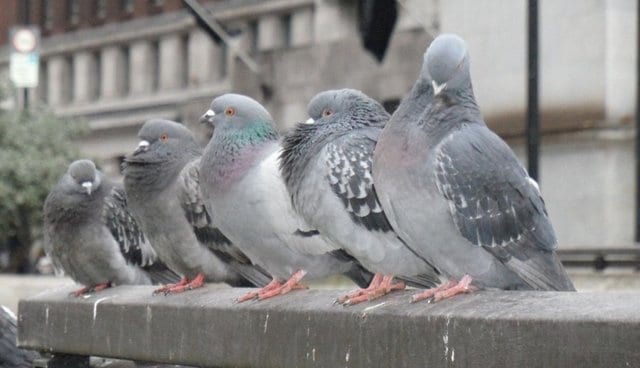
Occasionally, you see them munching on a pizza rind or some other recognizable discarded food, but most of the time they seem to be pecking at nothing at all.
I am not planning to start a pigeon Facebook enterprise, but unlike virtually all New Yorkers, I do not loathe pigeons and give them credit for living a tough life on the mean and unforgiving streets of Manhattan.
And if you actually stop and look at them, which no one does, their plumage can be quite striking. Yes they are plump and the neck-snapping walk is mind-boggling — what evolutionary rationale could that possibly have? — but they demonstrate an unrelenting pluck to survive in the city that I find admirable.
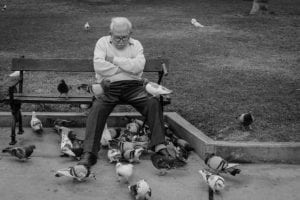
Just like seagulls, you never see a young or old pigeon, and never a sickly one. They are all the same size and seem in excellent health. I’ve never seen a dead pigeon or a squished one, which is remarkable for all their bicycle- and car-dodging. Not to overthink this, for all of their daily vicissitudes they seem pretty content with their lives, although their expressionless faces could be masking all kinds of nameless dreads.
One activity that seems to definitely give them great pleasure is communal flight. As I look east from our 16th floor apartment, I often see sizable flocks of pigeons soaring in synchronized movements that have no purpose, just banking, turning this way and that, diving and climbing.
They are clearly playing. They will, as a group, alight on a random rooftop, cogitate for a while and then set off on another flight maneuver, happy as clams.
If there is an afterlife, this playful flying would not make me elect to come back as a pigeon. I’m on record as choosing to come back as a chickadee. But if I have no choice and I’m forced to come back as a pigeon, I could handle it. The key, it seems, is a sufficient stream of pizza rinds.
Seagulls seem a lot like pigeons. They are always scamming for food and can fly beautifully. They seem smarter than pigeons and have a more sculpted shape. Gratefully, they have eliminated the disturbing neck-snapping walk, and they are artful at catching food thrown at them by the bored human denizens of Crescent Beach.
Which brings me to a seagull story. It is a third-hand story and its veracity cannot be verified. It was told to me by my nephew on Cape Cod, and he is a known embellisher. There is a thin line between embellishment and prevarication, and I am pretty sure he was sticking to the embellishment side. Not betting my life on that, however.
It starts with a surf-casting fisherman and a nearby observing seagull. The seagull watches as the surf-caster baits up his hook and heaves it into the waves. This is repeated several times with no success, fish-catching-wise. This is where it gets interesting.
This story wants you to believe that a light goes on in the observing seagull’s brain. The light says one, there is food being flung into the air and two, I can fly. Ergo, an intercept is entirely possible. But the light does not fully grasp the concept of “fish hook.”
You probably see where this is going. A perfectly timed intercept is made and the hook lodges in the seagull’s beak, surprising both human and bird actors in this story.
Embellishment alert: The fisherman starts reeling in the seagull and eventually gets it on the beach where a concerned woman assists the fisherman to calm the seagull while he fetches his needle-nose pliers to extract the hook. The seagull is not pleased, and it takes a while to wrestle the hook out.
A moment passes as the humans and seagull digest what just happened. Another light goes on in the seagull’s brain. With good intentions, the concerned woman is carefully holding the seagull but gets no credit for this act of kindness. The light says take a nip of the woman’s cheek and get the heck out of here. End of story.
True story? We cannot be sure.
But it sure beats any pigeon story I know.
Bird Gone, Pigeon Gone, Pigeon problems, pigeon spikes, 1-877-4NO-BIRD, 4-S Gel, Bird Control, Pigeon Control, bird repellent, Bird Spikes, sonic bird repellent, stainless steel bird spikes, bird spikes Vancouver, Ultra Sonic Bird Control, Bird Netting, Plastic Bird Spikes, Canada bird spike deterrents, Pigeon Pests, B Gone Pigeon, Pigeon Patrol, pest controller, pest control operator, pest control technician, Pigeon Control Products, humane pigeon spikes, pigeon deterrents, pigeon traps, Pigeon repellents, Sound & Laser Deterrents, wildlife control, raccoon, skunk, squirrel deterrent, De-Fence Spikes, Dragons Den.