by Pigeon Patrol | Feb 5, 2020 | 4-S Gel Bird repellent, Bird Deterrent Products, Bird Spike, Pigeon Patrol's Services, Pigeon Spikes, Pigeons in the News, UltraSonic Bird Control
LONDON (Reuters Life!) – Scientists studying pigeons have found that the often reviled urban bids that dominate city squares around the world carry two harmful disease-causing bugs that make them a public health hazard.
The findings of the study by a team of researchers in Spain show that although these bacteria can be harmful to humans, they appear to cause no harm to the birds themselves.
As a result, pigeons — often dubbed “rats with wings” by those who suspect them of spreading disease — can act as living “reservoirs” for some harmful bugs, the scientists said.
“Animals that live in close contact with humans can be dangerous reservoirs of human pathogens,” wrote Fernando Esperon from the Animal Health Research Center in Madrid, who led the study. “These birds may therefore pose a public health risk to the human population.”
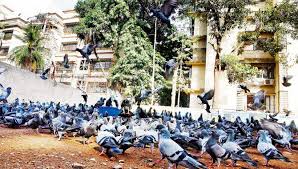
Inhabitants of cities from London to Venice to New York to San Francisco tend to have a love-hate relationship with the millions of urban pigeons that dominate city plazas, street-side cafes and monuments. Their droppings plaster Trafalgar square in London, St Mark’s square in Venice, and Times Square in New York, where they peck endlessly at crumbs or leftover food.
For this study, which was published in the BioMed Central journal Acta Veterinaria Scandinavica, Esperon and colleagues analyzed 118 pigeons captured using gun-propelled nets from urban areas of Madrid to find out the prevalence of certain bacteria known to cause disease in humans.
They found a bug called Chlamydophila psittaci in 52.6 percent of the pigeons captured, and another bug called Campylobacter jejuni in 69.1 percent.
Psittacosis infection in humans often starts with flu-like symptoms and can develop into life-threatening pneumonia. And according to Esperon, bugs from the campylobacter species are one of main causes of acute diarrhea across the world.
“In fact, in many countries such as England and Wales, Canada, Australia and New Zealand, Campylobacter jejuni infection causes more cases of acute diarrhea than infection by salmonella species,” he wrote.
Like other bugs, salmonella bacteria can cause fever, diarrhea, nausea and vomiting in those infected with it.
The scientists said that although the birds themselves did not seem to get sick from the bacteria, they could potentially pass them on the humans.
“These data should be taken into account for pigeon population management,” they wrote.
Source
At Pigeon Patrol, we manufacture and offer a variety of bird deterrents, ranging from Ultra-flex Bird Spikes with UV protection, Bird Netting, 4-S Gel and the best Ultrasonic and audible sound devices on the market today.
Contact us at 1- 877– 4– NO-BIRD, (604) 585-9279 or visit our website at www.pigeonpatrol.ca
Bird Gone, Pigeon Gone, Seagull Gone, Pigeon issue, pigeon spikes, 1-877-4NO-BIRD, 4-S Gel, Bird Control, Pigeon Control, bird repellent, Bird Spikes, sonic bird repellent, stainless steel bird spikes, bird spikes Vancouver, Ultra Sonic Bird Control, Bird Netting, Plastic Bird Spikes, Canada bird spike deterrents, Pigeon Pests, B Gone Pigeon, Pigeon Patrol, pest controller, pest control operator, pest control technician, Pigeon Control Products, humane pigeon spikes, pigeon deterrents, pigeon traps, Pigeon repellents, Sound & Laser Deterrents, wildlife control, raccoon, skunk, squirrel deterrent, De-Fence Spikes, Dragons Den, Canada bird spikes, Canada pigeon, pigeon control, pigeon patrol, pigeon. Kill pigeons, crow, starling
by Pigeon Patrol | Feb 5, 2020 | Animal Deterrent Products, Bird Spike, Pigeon Control, Pigeon Droppings, Pigeon Patrol's Services, Pigeon Spikes
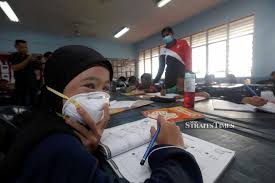
A rare virus that can be contracted by humans has killed a large number of Victorian pigeons after being detected in Australia for the first time.
A type of avian paramyxovirus has resulted in the deaths of a number of hobby pigeon flocks.
Australian chief veterinary officer Dr Mark Schipp said the birds had died suddenly in large numbers.
The birds had sometimes appeared tired or shown neurological signs such as circling or head flicking before death.
He said human infection was extremely rare and usually occurred after contact with an infected bird.
“The rare virus causes only mild, short-term conjunctivitis or influenza-like symptoms [in humans],’’ Dr Schipp said.
“State veterinary authorities have been asked to review the health of their pigeon and poultry flocks.
“At this stage, there are no reports of this virus causing disease in wild birds, but we have asked the Australian Wildlife Health Network to be alert to this possibility.’’
Dr Schipp said the national Consultative Committee on Emergency Animal Disease had met twice to discuss the outbreak, which is being managed by Victorian chief veterinary officer Dr Hugh Millar and industry and veterinary authorities.
Dr Schipp said the consultative committee has agreed to investigating pigeon and other bird holdings where disease is suspected and to quarantine affected properties.
Anyone concerned about their pigeons or birds should contact an experienced poultry veterinarian, their local department of agriculture, or the Emergency Animal Disease Watch hotline on 1800 675 888.
Source
At Pigeon Patrol, we manufacture and offer a variety of bird deterrents, ranging from Ultra-flex Bird Spikes with UV protection, Bird Netting, 4-S Gel and the best Ultrasonic and audible sound devices on the market today.
Contact us at 1- 877– 4– NO-BIRD, (604) 585-9279 or visit our website at www.pigeonpatrol.ca
Bird Gone, Pigeon Gone, Seagull Gone, Pigeon issue, pigeon spikes, 1-877-4NO-BIRD, 4-S Gel, Bird Control, Pigeon Control, bird repellent, Bird Spikes, sonic bird repellent, stainless steel bird spikes, bird spikes Vancouver, Ultra Sonic Bird Control, Bird Netting, Plastic Bird Spikes, Canada bird spike deterrents, Pigeon Pests, B Gone Pigeon, Pigeon Patrol, pest controller, pest control operator, pest control technician, Pigeon Control Products, humane pigeon spikes, pigeon deterrents, pigeon traps, Pigeon repellents, Sound & Laser Deterrents, wildlife control, raccoon, skunk, squirrel deterrent, De-Fence Spikes, Dragons Den, Canada bird spikes, Canada pigeon, pigeon control, pigeon patrol, pigeon. Kill pigeons, crow, starling
by Pigeon Patrol | Feb 5, 2020 | Animal Deterrent Products, Bird Netting, Bird Spike, Pigeon Droppings, Pigeon Spikes, Pigeons in the News, UltraSonic Bird Control
Sampling of pigeons captured on the streets of Madrid has revealed the bacterial pathogens they carry. Researchers writing in BioMed Central’s open access journal Acta Veterinaria Scandinavica found two bugs that were highly prevalent in the bird population, Chlamydophila psittaci and Campylobacter jejuni, both of which cause illness in humans carried by pigeons.
Fernando Esperón from the Animal Health Research Center, Madrid, Spain, worked with a team of researchers to analyse blood and enema samples taken from 118 pigeons caught using gun-propelled nets.
He said, “The present study demonstrates the extremely high prevalence of two zoonotic pathogens in feral pigeons in Madrid. At the same time, infection with these pathogens did not appear to be associated with any harmful clinical signs in the birds themselves. This leads to the hypothesis that pigeons act as asymptomatic reservoirs of Chlamydophila psittaci and Campylobacter jejuni. These birds may therefore pose a public health risk to the human population.”
Chlamydophila psittaci was found in 52.6% of the carried by pigeons captured, while Campylobacter jejuni was present in 69.1%. Although there have been few reports of disease transmission between pigeons and humans, it can occur by aerosols, direct contact or indirect contact through food and water contamination.
According to Esperón, “Thermophilic Campylobacter species are considered the primary pathogens responsible for acute diarrhea in the world. In fact, in many countries such as England and Wales, Canada, Australia and New Zealand Campylobacter jejuni infection causes more cases of acute diarrhea than infection by Salmonella species.”
Source
At Pigeon Patrol, we manufacture and offer a variety of bird deterrents, ranging from Ultra-flex Bird Spikes with UV protection, Bird Netting, 4-S Gel and the best Ultrasonic and audible sound devices on the market today.
Contact us at 1- 877– 4– NO-BIRD, (604) 585-9279 or visit our website at www.pigeonpatrol.ca
Bird Gone, Pigeon Gone, Seagull Gone, Pigeon issue, pigeon spikes, 1-877-4NO-BIRD, 4-S Gel, Bird Control, Pigeon Control, bird repellent, Bird Spikes, sonic bird repellent, stainless steel bird spikes, bird spikes Vancouver, Ultra Sonic Bird Control, Bird Netting, Plastic Bird Spikes, Canada bird spike deterrents, Pigeon Pests, B Gone Pigeon, Pigeon Patrol, pest controller, pest control operator, pest control technician, Pigeon Control Products, humane pigeon spikes, pigeon deterrents, pigeon traps, Pigeon repellents, Sound & Laser Deterrents, wildlife control, raccoon, skunk, squirrel deterrent, De-Fence Spikes, Dragons Den, Canada bird spikes, Canada pigeon, pigeon control, pigeon patrol, pigeon. Kill pigeons, crow, starling
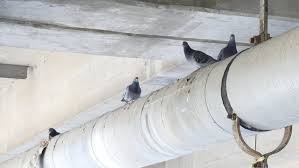
by Pigeon Patrol | Jan 31, 2020 | Animal Deterrent Products, Bird Deterrent Products, Bird Netting, Bird Spikes, Pigeon Control, Pigeon Droppings, Pigeon Patrol's Services, Pigeon Spikes, Pigeons in the News
Feed a Pigeon, Breed a Flying RAT
Q: I’ve often heard that it is illegal to feed pigeons in New York, yet I see people doing it all the time. Is there really such a law? And if so, why isn’t it enforced?
A: Despite a common public perception, there is no law that makes pigeon feeding illegal everywhere in the city. That said, the Parks Department posts notices prohibiting feeding in many areas under its control. If you ignore the sign, you may get an Environmental Control Board summons from the parks enforcement patrols or from the Police Department. The usual penalty is the minimum of $50, which you can mail in. You can fight it in court, but you can be fined $100 if you are found guilty.
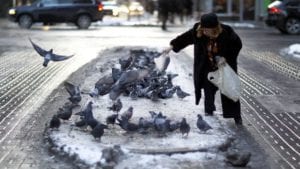
Even where pigeon feeding is not prohibited, both the Parks and Health Departments discourage the practice, citing litter and rodent problems. A Health Department poster warns: “Feed a Pigeon, Breed a Flying Rat.”
This attitude irks Anna Dove, founder and director of the New York Bird Club. “There is never any left-over feed from people feeding pigeons and other wildlife in the city, so littering is a poor excuse against pigeon feeding,” said Ms. Dove. (Yes, that’s her name; she had it legally changed from Augusta Kugelmas when she founded the club about three years ago.)
“After I feed,” she added, “most of the time I remain in the area to make sure the feed is not swept away by building maintenance people. Every morsel is eaten.”
Source: NY Times
At Pigeon Patrol, we manufacture and offer a variety of bird deterrents, ranging from Ultra-flex Bird Spikes with UV protection, Bird Netting, 4-S Gel and the best Ultrasonic and audible sound devices on the market today.
Contact us at 1- 877– 4– NO-BIRD, (604) 585-9279 or visit our website at www.pigeonpatrol.ca
Bird Gone, Pigeon Gone, Seagull Gone, Pigeon issue, pigeon spikes, 1-877-4NO-BIRD, 4-S Gel, Bird Control, Pigeon Control, bird repellent, Bird Spikes, sonic bird repellent, stainless steel bird spikes, bird spikes Vancouver, Ultra Sonic Bird Control, Bird Netting, Plastic Bird Spikes, Canada bird spike deterrents, Pigeon Pests, B Gone Pigeon, Pigeon Patrol, pest controller, pest control operator, pest control technician, Pigeon Control Products, humane pigeon spikes, pigeon deterrents, pigeon traps, Pigeon repellents, Sound & Laser Deterrents, wildlife control, raccoon, skunk, squirrel deterrent, De-Fence Spikes, Dragons Den, Canada bird spikes, Canada pigeon, pigeon control, pigeon patrol, pigeon. Kill pigeons, crow, starling

by Pigeon Patrol | Jan 31, 2020 | Bird Spikes, Pigeon Control, Pigeon Droppings, Pigeon Patrol's Services, Pigeons in the News
WIMBLEDON, England, July 6 It’s clear skies Thanks to Wayne Davis and his fine-feathered friends, raindrops are the only thing that Wimbledon fans have to worry about dropping from the sky and into their bowls of strawberries and cream.
The All England Club would seem a wonderful place to be a pigeon. There are nooks, crannies and overhangs. There are trees and grass. And, for two weeks out of the year, there is litter and food and people to hassle, which seems to be what pigeons do best.
But there are no pigeons here, save the occasional wayward straggler who, apparently, has only recently arrived from out of town.
Davis stood on the grass-covered terrace atop the Broadcast Center, several stories high, about even with the top of Center Court. From there you could see the tennis courts below, the leafy suburbs that surround them, and downtown London in the distance.
And, above, was one of his Peregrine falcons, circling the sky, issuing a silent warning that being a pigeon and being here is not a good idea.
Davis swung a rope like a lasso. At its end was a meaty piece of quail attached to a leather lure. The falcon, this one named Callisto, dived toward the food and swooped past, like a bull to a matador. After a few passes, Davis dropped the decoy to his feet, and the brown falcon with a speckled chest came down to earth and feasted.
“I’ve been doing this 25 years,” said Davis, smiling at the spectacle of the bird’s flight. “I still think that was brilliant. I enjoyed that.”
Wimbledon began its championship in 1877, and for most of the years since, pigeons have been among those who flocked to watch and socialize. They would eat the grass seed in the spring and nest under the Center Court roof. Every year, workers would try to remove the nests before the tournament. Still, the pigeons would flutter about the courts, and, well, bomb the fans with unpleasant surprises.
“In the old, old days, they probably used to shoot them,” the Wimbledon spokesman Johnny Perkins said of the pigeons in London and at the tennis club. “But in these touchy feely times, they probably decided that wasn’t the best option. This seems to be the best compromise, really.”
Helping Wimbledon limit its spectators to ticket-holding humans was the idea of Davis’s wife. She was watching the tournament on television a few years ago, and saw players shooing pigeons with rackets. So Davis called the All England Club and offered a demonstration of his services. The club liked what it saw, and Davis was hired beginning in 1999.
Davis owns a company called Avian Control Systems. With his small flock of hawks, falcons and owls, he shoos other birds using little more than fright tactics. Lesser birds see his birds soaring around, and they find somewhere else to go.
“Falconer,” Davis said, chewing on a suggestion for his job title. “I like that. I get called bird man, but falconer is nice, isn’t it?”
Davis does much of his work at airports and military airfields, where geese, gulls and other unsuspecting birds can pose safety risks if they find their way into jet engines.
Other clients see birds as a nuisance, not a danger. Davis has contracts with Westminster Abbey and Canary Wharf, a glass-and-steel business district along the Thames. Like the All England Club, they wanted a non-messy way to get rid of the mess-making birds, particularly the feral pigeon, the familiar gray ones common to so many cities.
“In the middle of the city, there are hundreds of thousands of pigeons all around,” Davis said. “All we can do is make it less comfortable for them.”
Pigeons, it seems, have memories that last at least a couple of days. At Wimbledon, Davis and his birds come a few times a week, throughout the year. That is enough to keep them from roosting in the rafters of the show courts “They’re like surrogate cliffs, really,” Davis said and from eating the grass seed when it is planted in the spring across nearly 40 courts.
“It’s analogous to cleaning,” he said. “You solve the problem with an intensive period, and keep it up with maintenance.”
At his country house in Northamptonshire, well north of London, Davis and his birds load into a van before dawn, so that they can do their work before the tennis crowds arrive.
On the roof, with its postcard view, Davis sent the falcon flying. A small bell was attached to its tail, and a radio transmitter to its ankle. It circled and swooped, then lifted like a rocket toward the gray clouds. There was not a pigeon in sight.
And down below, workers were preparing Wimbledon for another day. Somewhere, strawberries were being readied, and vats of cream sat in a cooler. Wimbledon cannot do much about the rain, but it is not fully ceding the skies.
Source from NY Times
At Pigeon Patrol, we manufacture and offer a variety of bird deterrents, ranging from Ultra-flex Bird Spikes with UV protection, Bird Netting, 4-S Gel and the best Ultrasonic and audible sound devices on the market today.
Contact us at 1- 877– 4– NO-BIRD, (604) 585-9279 or visit our website at www.pigeonpatrol.ca
Bird Gone, Pigeon Gone, Seagull Gone, Pigeon issue, pigeon spikes, 1-877-4NO-BIRD, 4-S Gel, Bird Control, Pigeon Control, bird repellent, Bird Spikes, sonic bird repellent, stainless steel bird spikes, bird spikes Vancouver, Ultra Sonic Bird Control, Bird Netting, Plastic Bird Spikes, Canada bird spike deterrents, Pigeon Pests, B Gone Pigeon, Pigeon Patrol, pest controller, pest control operator, pest control technician, Pigeon Control Products, humane pigeon spikes, pigeon deterrents, pigeon traps, Pigeon repellents, Sound & Laser Deterrents, wildlife control, raccoon, skunk, squirrel deterrent, De-Fence Spikes, Dragons Den, Canada bird spikes, Canada pigeon, pigeon control, pigeon patrol, pigeon. Kill pigeons, crow, starling