by Pigeon Patrol | Apr 22, 2020 | 4-S Gel Bird repellent, Animal Deterrent Products, Bird Deterrent Products, Bird Netting, Bird Spike, Bird Spikes, Pigeon Control, Pigeon Droppings, Pigeon Patrol's Services, Pigeon Spikes, Pigeons in the News, UltraSonic Bird Control
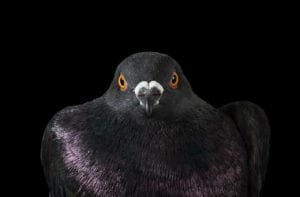
Feral pigeons in Europe (Columba livia domestica), which thrive in most European towns and cities, are commonly infected with the zoonotic bacterium Chlamydophila psittaci, the agent of psittacosis (also known as ornithosis) in humans. A number of surveys carried out over the last thirty years across Europe have detected high seropositivity values and high percentages of infection in Europe feral pigeons populations. Overall, when considering data from 11 European countries, seropositivity values to C. psittaci in the sampled populations ranged from 19.4% to 95.6%. In most surveys, the complement fixation test was used, and antibodies were detected in 19.4-66.3% of the samples, with a median of 46.1%. Indirect immunofluorescence and ELISA tests were employed less frequently, but led to the detection of higher percentages of seropositivity (23.7-67.7% and 35.9-95.6%, respectively). Attempts to grow C. psittaci in cell culture or embryonated chicken eggs were successful in 2-42.3% and 0-57.1% of samples, respectively, antigen detection methods were positive in 2.3-40% of samples, while conventional PCR and real-time PCR using different genomic targets detected the organism in 3.4-50% of samples. Twenty-five C. psittaci isolates from pigeons were typed as ompA genotype B (n=14), E (n=10) and E/B (n=1). The huge increase of feral pigeon populations in Europe is a major cause of concern for the detrimental effect of pigeon droppings on environmental hygiene, in addition to the extensive damage due to the fouling of buildings and monuments. The most important pathogenic organism transmissible from feral pigeons to humans is C. psittaci, with 101 cases of disease reported in the literature. Exposure to C. psittaci-contaminated dust, direct contact with pigeons through handling and, to a lesser extent, through pigeon feeding have been identified as hazardous exposures in more than half of the human cases, while loose or transient contacts with Europe feral pigeons have been mentioned in about 40% of the cases.
Education initiatives as to the communication of a health risk resulting from contact with pigeons and pigeon excreta should primarily be targeted at individuals who may be exposed to C. psittaci-contaminated dust, such as demolition/construction workers. Recommendations to this category of workers include wearing protective clothes with hoods, boots, gloves and air filter face masks when removing pigeon faeces from roofs, garrets and buildings, especially if working indoors. Monitoring for C. psittaci infections in these workers over time should also be considered. Children should be warned not to handle sick or dead pigeons, and immunocompromised individuals should be advised to carefully limit their contact to feral pigeons. Culling of pigeons by shooting or poisoning is both unethical and ineffective as the place of the killed birds in the population is quickly filled by new juveniles or immigrating birds from neighbouring areas. Pigeon-deterring systems, such as nets and plastic or metal spikes applied to buildings and monuments will prevent their fouling, and the administration of contraceptive drugs may allow size regulation of the pigeon populations. Nevertheless, the measure that will ultimately lead to permanent reduction and will establish healthy sustainable populations is the restriction of indiscriminate feeding by pigeon lovers. The erection of dovecotes and artificial breeding facilities should be considered for providing shelter and a balanced diet to the birds, as well as a chance of interaction for pigeon lovers in a hygienically controlled environment.
-Vet Microbiol
At Pigeon Patrol, we manufacture and offer a variety of bird deterrents, ranging from Ultra-flex Bird Spikes with UV protection, Bird Netting, 4-S Gel and the best Ultrasonic and audible sound devices on the market today.
Contact us at 1- 877– 4– NO-BIRD, (604) 585-9279 or visit our website at www.pigeonpatrol.ca
Bird Gone, Pigeon Gone, Seagull Gone, Pigeon problems, pigeon spikes, 1-877-4NO-BIRD, 4-S Gel, Bird Control, Pigeon Control, bird repellent, Bird Spikes, sonic bird repellent, stainless steel bird spikes, bird spikes Vancouver, Ultra Sonic Bird Control, Bird Netting, Plastic Bird Spikes, Canada bird spike deterrents, Pigeon Pests, B Gone Pigeon, Pigeon Patrol, pest controller, pest control operator, pest control technician, Pigeon Control Products, humane pigeon spikes, pigeon deterrents, pigeon traps, Pigeon repellents, Sound & Laser Deterrents, wildlife control, raccoon, skunk, squirrel deterrent, De-Fence Spikes, Dragons Den, Canada bird spikes, Canada pigeon, pigeon control, pidgon patrol, pidgon. Kill pigeons, crow, starling
by Pigeon Patrol | Apr 1, 2020 | 4-S Gel Bird repellent, Animal Deterrent Products, Bird Deterrent Products, Bird Netting, Bird Spike, Bird Spikes, Pigeon Control, Pigeon Droppings, Pigeon Patrol's Services, Pigeon Spikes, Pigeons in the News, UltraSonic Bird Control
Human infestation with bird mite, but What are bird mites?
Bird mites are found in the warmer regions of the world, including Australia.
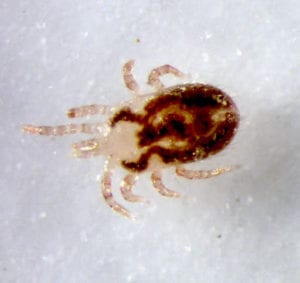
There are several species of bird mite but the most common species affecting humans is the domestic Starling mite, Ornithonyssus bursa from the family Macronyssidae.
Bird mites are:
- small (less than 1mm long) mites with 8 legs
- very mobile
- semi-transparent in colour until blood has been digested when they appear reddish to blackish
- oval in shape with a sparse covering of short hair.
Bird mites are naturally found where birds (such as pigeons, starlings, sparrows and poultry) and their nests are located.
However, in the first few weeks after birds leave their nests, bird mites may infest homes in search of a blood-meal from humans. Bites from bird mites can cause severe irritation.
This is a report of a case of bird mite infestation which occurred in Wollongong in mid-December 1996. The individual suffered hundreds of bites, most of which were marked by itchy red papules 3-4 mm in diameter. Tiny mobile parasites (< 1 mm) collected from the skin and adjacent bedroom wall were identified as bird mites from the family Gamasidae, most probably from the genus Ornithonyssus. The source of the infestation was a starling nest under the eaves adjacent to the bedroom. The report summarises the ways bird mite bites can be distinguished from other insect and arachnid bites. If bird mite infestation is not correctly diagnosed, families who attempt to repeatedly treat it as if it were lice or scabies may incur considerable expense until the source of infestation is eliminated.
Source
At Pigeon Patrol, we manufacture and offer a variety of bird deterrents, ranging from Ultra-flex Bird Spikes with UV protection, Bird Netting, 4-S Gel and the best Ultrasonic and audible sound devices on the market today.
Contact us at 1- 877– 4– NO-BIRD, (604) 585-9279 or visit our website at www.pigeonpatrol.ca
Bird Gone, Pigeon Gone, Seagull Gone, Pigeon issue, pigeon spikes, 1-877-4NO-BIRD, 4-S Gel, Bird Control, Pigeon Control, bird repellent, Bird Spikes, sonic bird repellent, stainless steel bird spikes, bird spikes Vancouver, Ultra Sonic Bird Control, Bird Netting, Plastic Bird Spikes, Canada bird spike deterrents, Pigeon Pests, B Gone Pigeon, Pigeon Patrol, pest controller, pest control operator, pest control technician, Pigeon Control Products, humane pigeon spikes, pigeon deterrents, pigeon traps, Pigeon repellents, Sound & Laser Deterrents, wildlife control, raccoon, skunk, squirrel deterrent, De-Fence Spikes, Dragons Den, Canada bird spikes, Canada pigeon, pigeon control, pigeon patrol, pigeon. Kill pigeons, crow, starling
by Pigeon Patrol | Apr 1, 2020 | 4-S Gel Bird repellent, Animal Deterrent Products, Bird Deterrent Products, Bird Netting, Bird Spike, Bird Spikes, Pigeon Control, Pigeon Droppings, Pigeon Patrol's Services, Pigeon Spikes, Pigeons in the News, UltraSonic Bird Control
What are Parasitic bird mites? Mites in the genus Dermanyssus are external parasites of birds, rodents and other mammals. The most common member of this group is the Chicken Mite that infests poultry roosts and wild bird nests. The chicken mite feeds primarily at night when the birds return the nest or roast area. They hide during the day in nearby cracks, crevices and other protected sites. These mites are known to infest homes and bite people when bird nests are built on homes. Repeated bites can result in a rash and intense itching. Adult mites can live four or five months or so without a blood meal and they can persist in the home after the source has been removed.
Control of these parasites in homes begins with locating and removing the source of the infestation. If the residence has a history of rodent problems, measures must be taken to reduce the rodent population. Another source may be pet rodents like gerbils or hamsters. Once the nest or source is removed the surrounding area should be treated with a residual insecticide like Dursban (Ortho Home Pest Insect Control). The inside of the home can be treated with synergized pyrethrins (Raid) if the mites are found throughout the house.
Controlling these mites in chicken coops, barns and other structures where chickens roost is more difficult. Sprays containing Rabon and Ravap should be applied to all surfaces and litter near where the birds roost at night. Birds can be treated with insecticides registered specifically for this purpose in severe cases. Be sure to treat the vent area where some mite species are known to favor.
Source
At Pigeon Patrol, we manufacture and offer a variety of bird deterrents, ranging from Ultra-flex Bird Spikes with UV protection, Bird Netting, 4-S Gel and the best Ultrasonic and audible sound devices on the market today.
Contact us at 1- 877– 4– NO-BIRD, (604) 585-9279 or visit our website at www.pigeonpatrol.ca to keep the Parasitic bird mites away from your home.
Bird Gone, Pigeon Gone, Seagull Gone, Pigeon issue, pigeon spikes, 1-877-4NO-BIRD, 4-S Gel, Bird Control, Pigeon Control, bird repellent, Bird Spikes, sonic bird repellent, stainless steel bird spikes, bird spikes Vancouver, Ultra Sonic Bird Control, Bird Netting, Plastic Bird Spikes, Canada bird spike deterrents, Pigeon Pests, B Gone Pigeon, Pigeon Patrol, pest controller, pest control operator, pest control technician, Pigeon Control Products, humane pigeon spikes, pigeon deterrents, pigeon traps, Pigeon repellents, Sound & Laser Deterrents, wildlife control, raccoon, skunk, squirrel deterrent, De-Fence Spikes, Dragons Den, Canada bird spikes, Canada pigeon, pigeon control, pigeon patrol, pigeon. Kill pigeons, crow, starling
by Pigeon Patrol | Apr 1, 2020 | 4-S Gel Bird repellent, Animal Deterrent Products, Bird Deterrent Products, Bird Netting, Bird Spike, Bird Spikes, Pigeon Control, Pigeon Droppings, Pigeon Patrol's Services, Pigeon Spikes, Pigeons in the News, UltraSonic Bird Control
June 6, 2008— — A Long Island woman was put in a quarantined hospital room Thursday night after emergency workers came to her home and found her skin crawling with nearly invisible parasites that doctors believe are bird mites.
The woman, Nina Bradica, 45, of Levittown, N.Y., called 911 complaining of chest pains. Police and firefighters placed the woman in a protective hazardous-materials suit to transport her to a county hospital.
“She is in stable but less-than-comfortable condition,” said Dr. Ken Steier of Nassau University Medical Center. “Based on what was found in her home, this may be a bird mite infestation. We’ve collected three specimens that appear to be mites and have sent them to the CDC.”
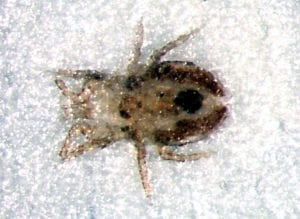
Bird mites are tiny parasitic insects about a half a millimeter long and are usually invisible to the the naked eye. People infested with mites break out in red bumps that can cause intense itching and irritation.
Steier said Bradica is in “a clearly marked quarantined room. Those entering must wear caps, gowns, gloves and shoes and no one is permitted to come in direct physical contact with her.”
He said there were “no documented cases of bird mites causing severe internal illnesses” but called them a “nuisance that produce extreme itching and scratching. They can live in your clothes, sheets, linens and closets. They don’t really suck your blood, but live on the skin.”
Steier said there was a nest of wild birds on the roof of Bradica’s house that connected to the woman’s bathroom through a vent.
“Mites are ubiquitous in wild birds of all types,” the doctor said. “They live on birds and when the birds leave their nests they look for a mammal host; sometimes those mammals are humans.”
She is being treated with “intravenous fluids, local skin care and benedryl for the itching.”
When contacted by ABC News, Bradica referred calls to her lawyer, Kenneth Mollins.
Mollins said Bradica was a tenant in the home, which records indicate is owned by Louis and Nancy Demetro.
The lawyer said the home was divided into two apartments with another individual living in the other apartment.
Mollins said his client had complained for months to the landlord about the infestation and had shown the mites to an exterminator.
“She doesn’t plan on moving back into house,” he said.
County public health officials will not characterize the infestation until tests confirm the bugs are actually bird mites.
“Objects that appeared to be mites were collected and sent to a lab,” said Dr. Maria Torroella Carney, the Nassau County Commissioner of Health.
“It is still unknown what is really there. Out of that concern, we will act with caution. We still don’t know what we’re dealing with here,” she said.
Carney said investigators will be looking at the home to determine if there was a bird’s nest on the roof and if that was the cause of the infestation.
“Presumably, if there is a nest in the home, the potential for mites is there.”
Carney said that the infestation appeared to be localized to Bradica’s home and there was “no public threat and no need for alarm.”
She said Bradica’s neighbors had not been warned of any potential threat.
Source
At Pigeon Patrol, we manufacture and offer a variety of bird deterrents, ranging from Ultra-flex Bird Spikes with UV protection, Bird Netting, 4-S Gel and the best Ultrasonic and audible sound devices on the market today.
Contact us at 1- 877– 4– NO-BIRD, (604) 585-9279 or visit our website at www.pigeonpatrol.ca
Bird Gone, Pigeon Gone, Seagull Gone, Pigeon issue, pigeon spikes, 1-877-4NO-BIRD, 4-S Gel, Bird Control, Pigeon Control, bird repellent, Bird Spikes, sonic bird repellent, stainless steel bird spikes, bird spikes Vancouver, Ultra Sonic Bird Control, Bird Netting, Plastic Bird Spikes, Canada bird spike deterrents, Pigeon Pests, B Gone Pigeon, Pigeon Patrol, pest controller, pest control operator, pest control technician, Pigeon Control Products, humane pigeon spikes, pigeon deterrents, pigeon traps, Pigeon repellents, Sound & Laser Deterrents, wildlife control, raccoon, skunk, squirrel deterrent, De-Fence Spikes, Dragons Den, Canada bird spikes, Canada pigeon, pigeon control, pigeon patrol, pigeon. Kill pigeons, crow, starling
by Pigeon Patrol | Apr 1, 2020 | 4-S Gel Bird repellent, Animal Deterrent Products, Bird Deterrent Products, Bird Netting, Bird Spike, Bird Spikes, Pigeon Control, Pigeon Droppings, Pigeon Patrol's Services, Pigeon Spikes, Pigeons in the News, UltraSonic Bird Control
What about starlings? Starlings are cavity nesters and will use vents and ducts in homes to build nests and raise young
European starlings are widespread across North America. They eat a wide variety of foods and are willing to use a wide variety of places to nest and roost. This flexible nature helps them thrive in cities and suburbs as well as on farms. They are one of only a few birds who live in otherwise barren industrial urban wastelands.
Starlings only nest in cavities and are happy to use those provided by people—stove, dryer, and exhaust fan vents, for example—are popular nest sites, along with the bird houses we put up.
But people also complain about starlings getting in the trash. And settling in numbers onto lawns, where they are undoubtedly providing a service by eating insects.
More seriously, large flocks—up to tens of thousands of birds—sometimes roost in urban places where their noise and droppings are extremely unwelcome.
Source
At Pigeon Patrol, we manufacture and offer a variety of bird deterrents, ranging from Ultra-flex Bird Spikes with UV protection, Bird Netting, 4-S Gel and the best Ultrasonic and audible sound devices on the market today.
Contact us at 1- 877– 4– NO-BIRD, (604) 585-9279 or visit our website at www.pigeonpatrol.ca
Bird Gone, Pigeon Gone, Seagull Gone, Pigeon issue, pigeon spikes, 1-877-4NO-BIRD, 4-S Gel, Bird Control, Pigeon Control, bird repellent, Bird Spikes, sonic bird repellent, stainless steel bird spikes, bird spikes Vancouver, Ultra Sonic Bird Control, Bird Netting, Plastic Bird Spikes, Canada bird spike deterrents, Pigeon Pests, B Gone Pigeon, Pigeon Patrol, pest controller, pest control operator, pest control technician, Pigeon Control Products, humane pigeon spikes, pigeon deterrents, pigeon traps, Pigeon repellents, Sound & Laser Deterrents, wildlife control, raccoon, skunk, squirrel deterrent, De-Fence Spikes, Dragons Den, Canada bird spikes, Canada pigeon, pigeon control, pigeon patrol, pigeon. Kill pigeons, crow, starling