by Pigeon Patrol | Nov 29, 2020 | 4-S Gel Bird repellent, Animal Deterrent Products, Bird Deterrent Products, Bird Netting, Pigeon Patrol's Services, Pigeon Spikes, Pigeons in the News, UltraSonic Bird Control
Ever heard of the bird flu? Keep on reading to find out more about what it is!
So what is the bird flu?
The Bird Flu also known as the Avian influenza refers to the disease caused by infection with avian (bird) influenza (flu) Type A viruses. These viruses occur naturally among wild aquatic birds worldwide and can infect domestic poultry and other bird and animal species
When was the bird flu?
The year 2005 has been dubbed ‘the year of bird flu’. Across the globe, the fear of avian influenza has caused government officials to place a higher priority on developing plans to deal with pandemic influenza. A survey published on 23 December 2005 by the World Health Organization (WHO) named avian influenza as the number one health concern. This heightened concern exists despite any evidence suggesting sustained human-to-human transmission of the potentially pandemic H5N1 strain of avian influenza virus. Experts have been closely monitoring occurrences of H5N1 since it first appeared in 1996 in the Chinese province of Guangdong.
The number of confirmed human H5N1 infections doubled in 2005. Of the 142 cases of human H5N1 influenza reported as of 30 December 2005, over half have been fatal. That statistic sparked a media frenzy that H5N1 may develop into the next pandemic strain of influenza. A serological survey published in the Journal of Infectious Disease by Bridges et al. (185, 1005–1010, 2002) showed that although the incidence of human H5N1 infection might be higher than previously thought, the mortality rate might be much lower. Up to 10% of 1,525 asymptomatic poultry workers had antibodies to the H5N1 virus. Most of these human cases are thought to have developed after contact with infected animals. Documented reports suggest that H5N1 can infect many bird species and mammals, in addition to humans. Although more serological studies in affected areas are needed, the 2002 study suggests the virus can infect humans without producing the extreme mortality commonly associated with the H5N1 strain. Yet the fear remains that mutation or reassortment of viral genomic segments with those of other endemic strains of influenza might result in a highly virulent human virus.
The WHO, the US Centers for Disease Control and Prevention and the United Nations Food and Agriculture Organization have established extensive surveillance and reporting programs for H5N1 influenza. The year 2005 witnessed an explosion of H5N1 outbreaks in poultry and migrating wild bird populations in Asia, spreading to Russia and eastern Europe. That dissemination occurred despite massive vaccine inoculation programs for poultry initiated by local governments in Asia and culling of infected bird flocks elsewhere. Although not yet reported, experts have expressed concern over the appearance of H5N1 in Africa, where surveillance and control measures are subject to regional conflicts, thereby heightening the risk that a highly transmissible human form of H5N1 virus might evolve. Thus, a race against time is now on to develop and generate effective human vaccines to prevent H5N1 infection and to produce sufficient amounts of antiviral drugs that might lessen disease severity. Therapies aimed at controlling innate immune responses should also be pursued, given the clinical evidence that H5N1 elicits ‘cytokine storms’ that can contribute to disease pathogenesis.
Is all the news dire? No. In fact, the present threat of pandemic influenza has spurred several encouraging steps. There seems to be greater accountability in disease surveillance by local health authorities, who supply critical field samples to international agencies that constitute the WHO Influenza Surveillance Network. The WHO has established several laboratories dedicated to analyzing new isolates of influenza virus, thereby providing much-needed standardized epidemiological information on viral samples obtained from geographically separate regions and monitoring how the virus is evolving from earlier isolates. Should a pandemic strain of human influenza arise, these laboratories can quickly identify the relevant ‘genomic fingerprint’ and advise vaccine manufacturers.
Another welcome consequence of the focus on avian influenza has been a resurgence of interest in vaccine manufacturing. Because which H5N1 influenza isolate will have the ‘right’ combination of mutations that allows it to spread quickly throughout human populations cannot be predicted in advance, vaccine manufacturers need to develop new means for rapid production of effective vaccines. At present, methods for the production of influenza vaccines require billions of chicken eggs, a resource that might be unavailable given the lethality of the virus in avian species. The use of reverse genetics in vaccine design as well as mass production using vaccine-certified cell lines hold the promise of streamlining production schedules and reducing potential bottlenecks based on the availability of eggs. The WHO and the US National Institutes of Health have several recombinant H5N1 prototype vaccine strains derived by reverse genetics from viral isolates from southeast Asia. Both agencies have provided these clones to licensed manufacturers for the development and testing of vaccines, some of which have already entered clinical trials. Governmental licensing agencies need to expedite their review process for vaccines produced by cell-based manufacturing methods. Sufficient incentives or collaborative partnerships must be extended to vaccine manufacturers to retool their production facilities so they can meet the global demand for viral vaccines.
Yet planning for the possibility of a future pandemic must also be done on the local level. As witnessed by the SARS outbreak in 2003, substantial economic consequences can result from the mere threat of a highly transmissible disease. It is imperative that local governments, businesses and other institutions develop and test contingency plans that can be deployed in their communities should a pandemic strain arise. Such contingency plans should be independent of vaccination programs (vaccination with the present viral formulations should be encouraged) or antiviral prophylaxis for exposed people, as no guarantee can be made that sufficient supplies of such agents would be available. These plans should include infection-control measures, identification of essential personnel and possible alternative work procedures (such as telecommuting), and a means of communication to rapidly disseminate critical information. All community members should be educated on the specifics of their plan and what to do in the event of such a health emergency. Such planning might avoid future revisionists from proclaiming 2006 as the year of bird flu. Source

The virus continued to kill chickens and to occasionally infect and sometimes kill people. But as the years passed, the number of human H5N1 cases subsided. There has not been a single H5N1 human infection detected since February 2017. This is the good news
About Pigeon Patrol:
Pigeon Patrol Products & Services is the leading manufacturer and distributor of bird deterrent (control) products in Canada. Pigeon Patrol products have solved pest bird problems in industrial, commercial, and residential settings since 2000, by using safe and humane bird deterrents with only bird and animal friendly solutions. At Pigeon Patrol, we manufacture and offer a variety of bird deterrents, ranging from Ultra-flex Bird Spikes with UV protection, Bird Netting, 4-S Gel and the best Ultrasonic and audible sound devices on the market today.
Contact us at 1- 877– 4– NO-BIRD, (604) 585-9279 or visit our website at www.pigeonpatrol.ca
Pigeon / Pigeon Patrol / Pigeons Roosting / Vancouver Pigeon Patrol / Bird Control / Surrey Pigeon Control / Pest / Vancouver Pigeon Blog / Birds Inside Home / Pigeons in the cities / Ice Pigeons
by Pigeon Patrol | Jun 29, 2020 | 4-S Gel Bird repellent, Animal Deterrent Products, Bird Deterrent Products, Bird Netting, Bird Spike, Bird Spikes, Pigeon Control, Pigeon Droppings, Pigeon Patrol's Services, Pigeon Spikes, Pigeons in the News, UltraSonic Bird Control
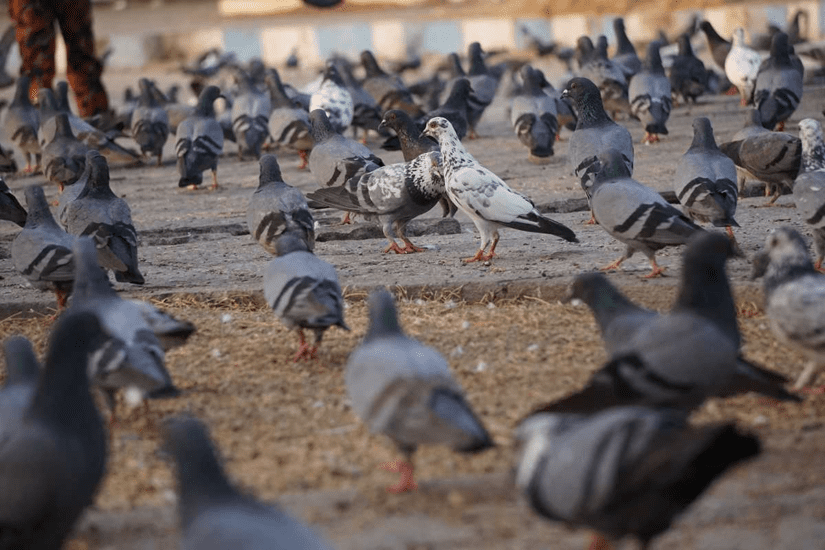
Pigeon Habitat. Pigeons prefer grains for food and people will commonly feed pigeons unintentionally by spilling food or it in open trash containers. Pigeons roost in areas above ground and will readily nest in steeples, as well as voids on outside areas of buildings and other protected areas.
Pigeons are dependent on humans to provide them with food, roosting and nesting sites. They are commonly found around agricultural areas as well as warehouses, feed mills, and grain elevators. They are also commonly found in cities around parks, buildings, bridges, and any other structures.
Source
About Pigeon Patrol:
Pigeon Patrol Products & Services is the leading manufacturer and distributor of bird deterrent (control) products in Canada. Pigeon Patrol products have solved pest bird problems in industrial, commercial, and residential settings since 2000, by using safe and humane bird deterrents with only bird and animal friendly solutions. At Pigeon Patrol, we manufacture and offer a variety of bird deterrents, ranging from Ultra-flex Bird Spikes with UV protection, Bird Netting, 4-S Gel and the best Ultrasonic and audible sound devices on the market today.
Contact us at 1- 877– 4– NO-BIRD, (604) 585-9279 or visit our website at www.pigeonpatrol.ca
Bird Gone, Pigeon Gone, Seagull Gone, Pigeon problems, pigeon spikes, 1-877-4NO-BIRD, 4-S Gel, Bird Control, Pigeon Control, bird repellent, Bird Spikes, sonic bird repellent, stainless steel bird spikes, bird spikes Vancouver, Ultra Sonic Bird Control, Bird Netting, Plastic Bird Spikes, Canada bird spike deterrents, Pigeon Pests, B Gone Pigeon, Pigeon Patrol, pest controller, pest control operator, pest control technician, Pigeon Control Products, humane pigeon spikes, pigeon deterrents, pigeon traps, Pigeon repellents, Sound & Laser Deterrents, wildlife control, raccoon, skunk, squirrel deterrent, De-Fence Spikes, Dragons Den, Canada bird spikes, Canada pigeon, pigeon control, pidgon patrol, pigeon. Kill pigeons, crow, starling, Pigeon Habitat
by Pigeon Patrol | Jun 29, 2020 | 4-S Gel Bird repellent, Animal Deterrent Products, Bird Deterrent Products, Bird Netting, Bird Spike, Bird Spikes, Pigeon Control, Pigeon Droppings, Pigeon Patrol's Services, Pigeon Spikes, Pigeons in the News, UltraSonic Bird Control
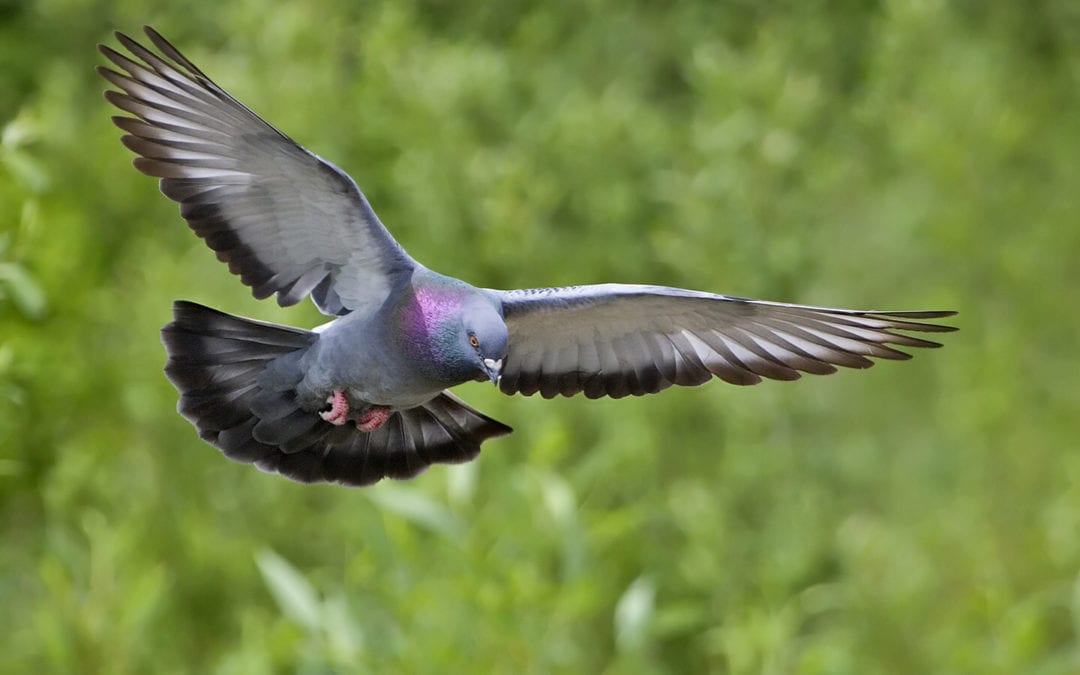
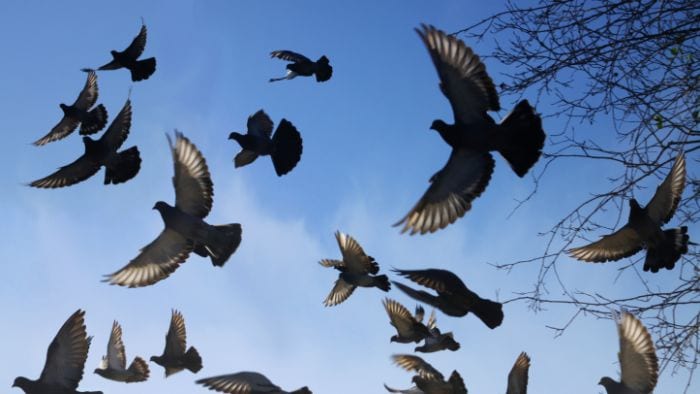
 Pigeon Threats? Pigeons are filthy birds, causing disease and damage. Their droppings are known for triggering human slips and falls, as well as accelerating the aging of structures and statues. This makes it imperative to get rid of pigeons in highly trafficked areas. More seriously, pigeons may carry diseases such as cryptococcosis, toxoplasmosis, salmonella, food poisoning, and more. Also, their droppings may harbor the growth of fungus, which causes histoplasmosis. Other pests may live on these birds, including fleas, lice, mites, ticks, and other pests. Pests may also infest nests such as stored product pests.
If you discover pigeons roosting on your property, contact a professional immediately to discuss a proper course of pigeon control.
Source
About Pigeon Patrol:
Pigeon Patrol Products & Services is the leading manufacturer and distributor of bird deterrent (control) products in Canada. Pigeon Patrol products have solved pest bird problems in industrial, commercial, and residential settings since 2000, by using safe and humane bird deterrents with only bird and animal friendly solutions. At Pigeon Patrol, we manufacture and offer a variety of bird deterrents, ranging from Ultra-flex Bird Spikes with UV protection, Bird Netting, 4-S Gel and the best Ultrasonic and audible sound devices on the market today.
Contact us at 1- 877– 4– NO-BIRD, (604) 585-9279 or visit our website at www.pigeonpatrol.ca
Bird Gone, Pigeon Gone, Seagull Gone, Pigeon problems, pigeon spikes, 1-877-4NO-BIRD, 4-S Gel, Bird Control, Pigeon Control, bird repellent, Bird Spikes, sonic bird repellent, stainless steel bird spikes, bird spikes Vancouver, Ultra Sonic Bird Control, Bird Netting, Plastic Bird Spikes, Canada bird spike deterrents, Pigeon Pests, B Gone Pigeon, Pigeon Patrol, pest controller, pest control operator, pest control technician, Pigeon Control Products, humane pigeon spikes, pigeon deterrents, pigeon traps, Pigeon repellents, Sound & Laser Deterrents, wildlife control, raccoon, skunk, squirrel deterrent, De-Fence Spikes, Dragons Den, Canada bird spikes, Canada pigeon, pigeon control, pidgon patrol, pidgon. Kill pigeons, crow, starling, Pigeon Threats
by Pigeon Patrol | Jun 29, 2020 | 4-S Gel Bird repellent, Animal Deterrent Products, Bird Deterrent Products, Bird Netting, Bird Spike, Bird Spikes, Pigeon Control, Pigeon Droppings, Pigeon Patrol's Services, Pigeon Spikes, Pigeons in the News, UltraSonic Bird Control
 Physical control
How can I get rid of pigeons? Controlling pigeons permanently is hard because these birds have adapted to stress, and there are many sources of food available in urban areas. The best way to control them is to change their environment:
- Remove roosting niches and seal any crevices, large openings, and entrances in high areas to discourage pigeons.
- Screen off water sources (like rooftop air conditioners) that pigeons might drink from.
- Never leave food out where pigeons can get it.
- Keep garbage containers closed. Dispose of garbage on a regular basis.
- On flat roofs or ledges, use bristling wires, also known as porcupine wires, or sticky pastes that will discourage pigeons from landing and gathering.
Bird scaring devices
Bird scaring devices can also be bought to frighten birds away from a given area. Loud noises, flashing lights, windmills, and recordings of bird distress calls can be effective ways of controlling pigeons, but may not all be practical in urban settings. Also, pigeons can eventually get used to these types of devices and may ignore them.
If pigeons are a nuisance on a balcony, fine netting can be hung across the front of the balcony, or a combination of visual frightening devices can be used, if they can be moved around to prevent birds from getting used to them.
Source
About Pigeon Patrol:
Pigeon Patrol Products & Services is the leading manufacturer and distributor of bird deterrent (control) products in Canada. Pigeon Patrol products have solved pest bird problems in industrial, commercial, and residential settings since 2000, by using safe and humane bird deterrents with only bird and animal friendly solutions. At Pigeon Patrol, we manufacture and offer a variety of bird deterrents, ranging from Ultra-flex Bird Spikes with UV protection, Bird Netting, 4-S Gel and the best Ultrasonic and audible sound devices on the market today.
Contact us at 1- 877– 4– NO-BIRD, (604) 585-9279 or visit our website at www.pigeonpatrol.ca
Bird Gone, Pigeon Gone, Seagull Gone, Pigeon problems, pigeon spikes, 1-877-4NO-BIRD, 4-S Gel, Bird Control, Pigeon Control, bird repellent, Bird Spikes, sonic bird repellent, stainless steel bird spikes, bird spikes Vancouver, Ultra Sonic Bird Control, Bird Netting, Plastic Bird Spikes, Canada bird spike deterrents, Pigeon Pests, B Gone Pigeon, Pigeon Patrol, pest controller, pest control operator, pest control technician, Pigeon Control Products, humane pigeon spikes, pigeon deterrents, pigeon traps, Pigeon repellents, Sound & Laser Deterrents, wildlife control, raccoon, skunk, squirrel deterrent, De-Fence Spikes, Dragons Den, Canada bird spikes, Canada pigeon, pigeon control, pidgon patrol, pidgon. Kill pigeons, crow, starling, get rid of pigeons
by Pigeon Patrol | Jun 29, 2020 | 4-S Gel Bird repellent, Animal Deterrent Products, Bird Deterrent Products, Bird Netting, Bird Spike, Bird Spikes, Pigeon Control, Pigeon Droppings, Pigeon Patrol's Services, Pigeon Spikes, Pigeons in the News, UltraSonic Bird Control
Should I be concerned of pigeons? Pigeons tend to breed and roost in groups. The biggest problem they cause is the amount of feces (droppings) they produce. The build-up of pigeon feces on buildings and other structures is visually unappealing and is made worse by the fact that pigeon droppings are acidic and erode metal and stonework.
More importantly, pigeon droppings may pose a health hazard to the general public. Pigeons have been associated with a variety of diseases, including histoplasmosis and cryptococcosis.
Histoplasmosis is a disease caused by a fungus that grows in pigeon droppings. The fungus can also be found in bat droppings or in the soil, and is carried by the wind. When removing droppings, people may breathe in some of the fungus. When exposure is high, the fungus can cause infection.
Symptoms of histoplasmosis begin to appear about 10 days after initial infection and can include fatigue, fever, and chest pains. Most infections have no symptoms or appear as a mild respiratory illness. People with weakened immune systems (like cancer patients or people living with HIV/AIDS) are generally more at risk of developing histoplasmosis. The disease cannot be transmitted from person to person.
Cryptococcosis is another fungal disease related to pigeon droppings and grows in soils throughout the world. It is very unlikely that healthy people will become infected even at high levels of exposure. A major risk factor for infection is a compromised immune system.
Source
About Pigeon Patrol:
Pigeon Patrol Products & Services is the leading manufacturer and distributor of bird deterrent (control) products in Canada. Pigeon Patrol products have solved pest bird problems in industrial, commercial, and residential settings since 2000, by using safe and humane bird deterrents with only bird and animal friendly solutions. At Pigeon Patrol, we manufacture and offer a variety of bird deterrents, ranging from Ultra-flex Bird Spikes with UV protection, Bird Netting, 4-S Gel and the best Ultrasonic and audible sound devices on the market today.
Contact us at 1- 877– 4– NO-BIRD, (604) 585-9279 or visit our website at www.pigeonpatrol.ca
Bird Gone, Pigeon Gone, Seagull Gone, Pigeon problems, pigeon spikes, 1-877-4NO-BIRD, 4-S Gel, Bird Control, Pigeon Control, bird repellent, Bird Spikes, sonic bird repellent, stainless steel bird spikes, bird spikes Vancouver, Ultra Sonic Bird Control, Bird Netting, Plastic Bird Spikes, Canada bird spike deterrents, Pigeon Pests, B Gone Pigeon, Pigeon Patrol, pest controller, pest control operator, pest control technician, Pigeon Control Products, humane pigeon spikes, pigeon deterrents, pigeon traps, Pigeon repellents, Sound & Laser Deterrents, wildlife control, raccoon, skunk, squirrel deterrent, De-Fence Spikes, Dragons Den, Canada bird spikes, Canada pigeon, pigeon control, pidgon patrol, pidgon. Kill pigeons, crow, starling, concerned of pigeons
by Pigeon Patrol | Jun 29, 2020 | 4-S Gel Bird repellent, Animal Deterrent Products, Bird Deterrent Products, Bird Netting, Bird Spike, Bird Spikes, Pigeon Control, Pigeon Droppings, Pigeon Patrol's Services, Pigeon Spikes, Pigeons in the News, UltraSonic Bird Control
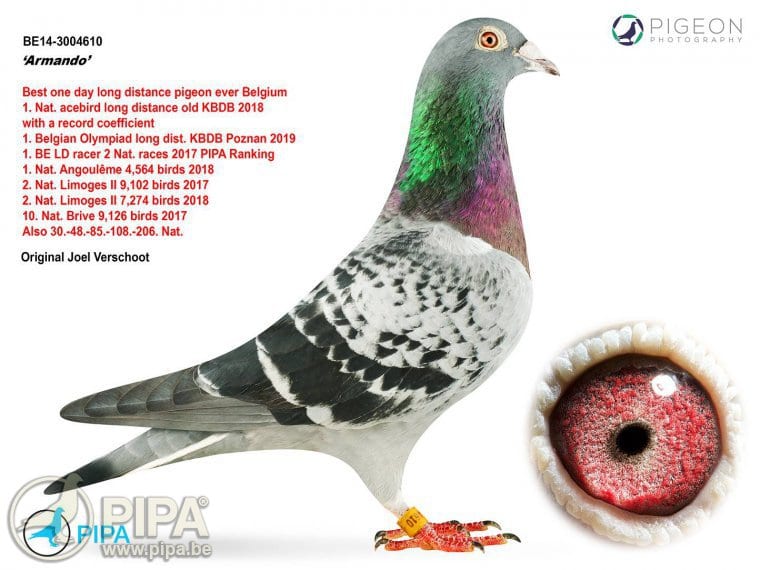
What are Pigeons? Pigeons are stout-bodied birds with short necks and short, slender bills with a fleshy cere (the waxy, fleshy covering at the base of the upper beak). The species most commonly referred to just as the “pigeon” is the feral rock pigeon, common in many cities and small rural areas.
The rock pigeon is 32 to 37 cm (12.5 to 14.5 inches) long with a 64 to 72 cm (25 to 28 inch) wingspan. Its lower back is white with two distinctive black bars on its pale grey wings. Its tail has white markings. It is a strong and quick flier, with its lighter grey rump easily seen from above.
The head and neck of the mature pigeon are a darker blue-grey than the back and wings. The green and lilac or purple patch on the side of the neck is larger than that of the stock dove, and the tail is more distinctly banded.
Pigeons come in many different colours depending on age: dark grey, light blue/grey, brown, peach, grey and white, pure white, and more. The feathers of young birds show little lustre and are duller. The eye colour of a pigeon is generally orange, but a few pigeons may have white-grey eyes. The eyelids are orange and are enclosed in a grey-white eye ring. The feet are red to pink.
Source
About Pigeon Patrol:
Pigeon Patrol Products & Services is the leading manufacturer and distributor of bird deterrent (control) products in Canada. Pigeon Patrol products have solved pest bird problems in industrial, commercial, and residential settings since 2000, by using safe and humane bird deterrents with only bird and animal friendly solutions. At Pigeon Patrol, we manufacture and offer a variety of bird deterrents, ranging from Ultra-flex Bird Spikes with UV protection, Bird Netting, 4-S Gel and the best Ultrasonic and audible sound devices on the market today.
Contact us at 1- 877– 4– NO-BIRD, (604) 585-9279 or visit our website at www.pigeonpatrol.ca
Bird Gone, Pigeon Gone, Seagull Gone, Pigeon problems, pigeon spikes, 1-877-4NO-BIRD, 4-S Gel, Bird Control, Pigeon Control, bird repellent, Bird Spikes, sonic bird repellent, stainless steel bird spikes, bird spikes Vancouver, Ultra Sonic Bird Control, Bird Netting, Plastic Bird Spikes, Canada bird spike deterrents, Pigeon Pests, B Gone Pigeon, Pigeon Patrol, pest controller, pest control operator, pest control technician, Pigeon Control Products, humane pigeon spikes, pigeon deterrents, pigeon traps, Pigeon repellents, Sound & Laser Deterrents, wildlife control, raccoon, skunk, squirrel deterrent, De-Fence Spikes, Dragons Den, Canada bird spikes, Canada pigeon, pigeon control, pidgon patrol, pidgon. Kill pigeons, crow, starling