BOCA RATON — In a community proud of its well-off residents, fancy shops and upscale resorts, pigeon droppings outside City Hall are taken seriously.
City workers have used pressure sprayers to wash the droppings away and tried electricity and a recording of a hawk screeching to scare off the pigeons, but the birds — and their mess — remain.
“The pigeons hang out on the light fixtures and the droppings get on the sidewalk right in front of the front door,” Assistant City Manager George Brown said.
In their first attempt to get rid of the birds, workers rigged 12-volt wires around the City Hall’s windows, where the pigeons like to roost. That’s not enough electricity to kill the birds, but workers hoped it would make them uncomfortable enough to move, which they did — a few feet away to some light fixtures.
This month, workers installed a speaker on the roof, hoping that recordings of screeching hawks would drive them away. The pigeons, in their own way, just laughed.
“They just decided they like it here for some reason,” Brown said.
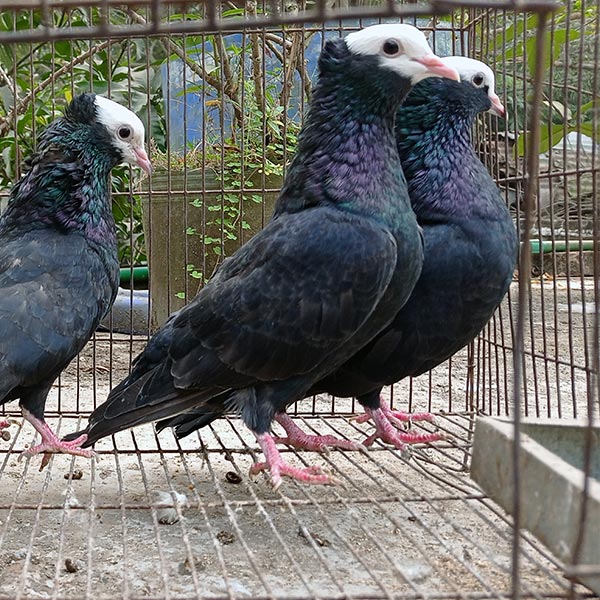
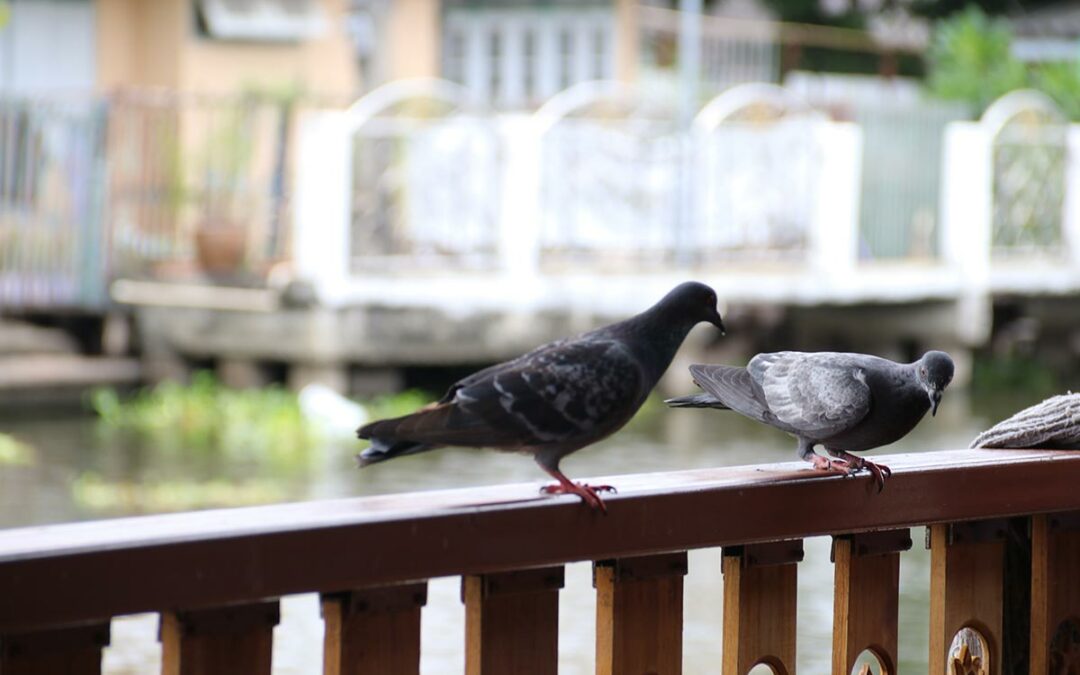
Tim Brown, the education director at a nearby wildlife hospital, said the common pigeon — which is actually the African rock dove — lives on stone outcroppings in the wild, making them perfect city dwellers.
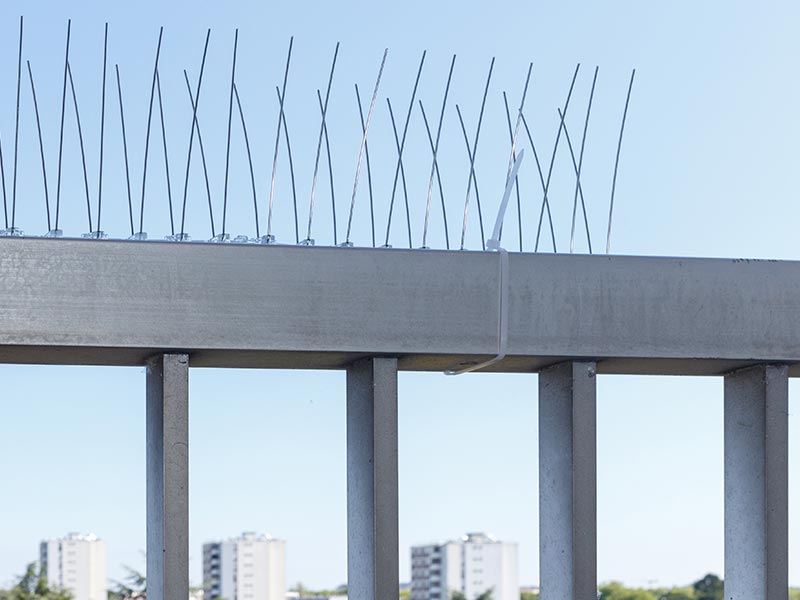
“Architecturally, we build all these wonderful habitats for pigeons,” he said. To get rid of the birds, he suggests chicken wire, which would be unsightly, or installing strips studded with needles.
But city officials have other ideas.
“Poison corn,” said Bob DiChristopher, deputy director of municipal services. After a moment’s pause, he added: “That’s just a joke.”
Pigeon Patrol
Pigeon Patrol Products & Services is the leading manufacturer and distributor of bird deterrent (control) products in Canada. Pigeon Patrol products have solved pest bird problems in industrial, commercial, and residential settings since 2000, by using safe and humane bird deterrents with only bird and animal -friendly solutions. At Pigeon Patrol, we manufacture and offer a variety of bird deterrents, ranging from Ultra-flex Bird Spikes with UV protection, Bird Netting, 4-S Bird Gel and the best Ultrasonic and audible sound devices on the market today.
Best Types of Pigeon Repellent
Bird Spikes– Pigeons can’t land on surfaces with bird spikes—perfect for ledges, sills, signs, and fences.
Shop Bird Spikes: https://www.pigeonpatrol.ca/bird-spikes/
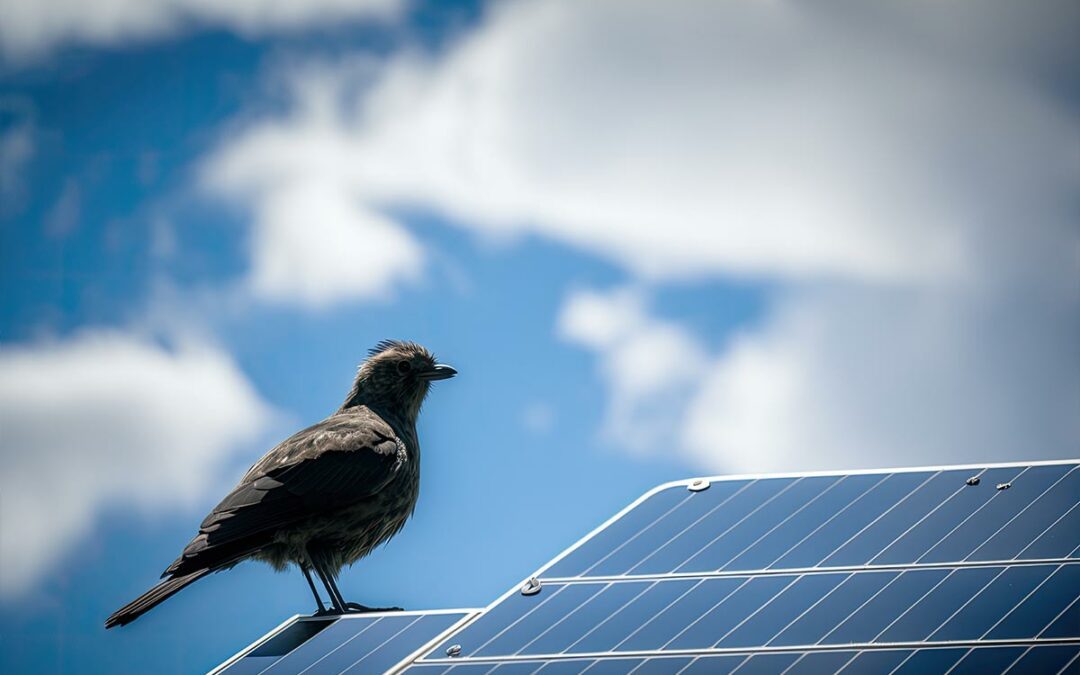
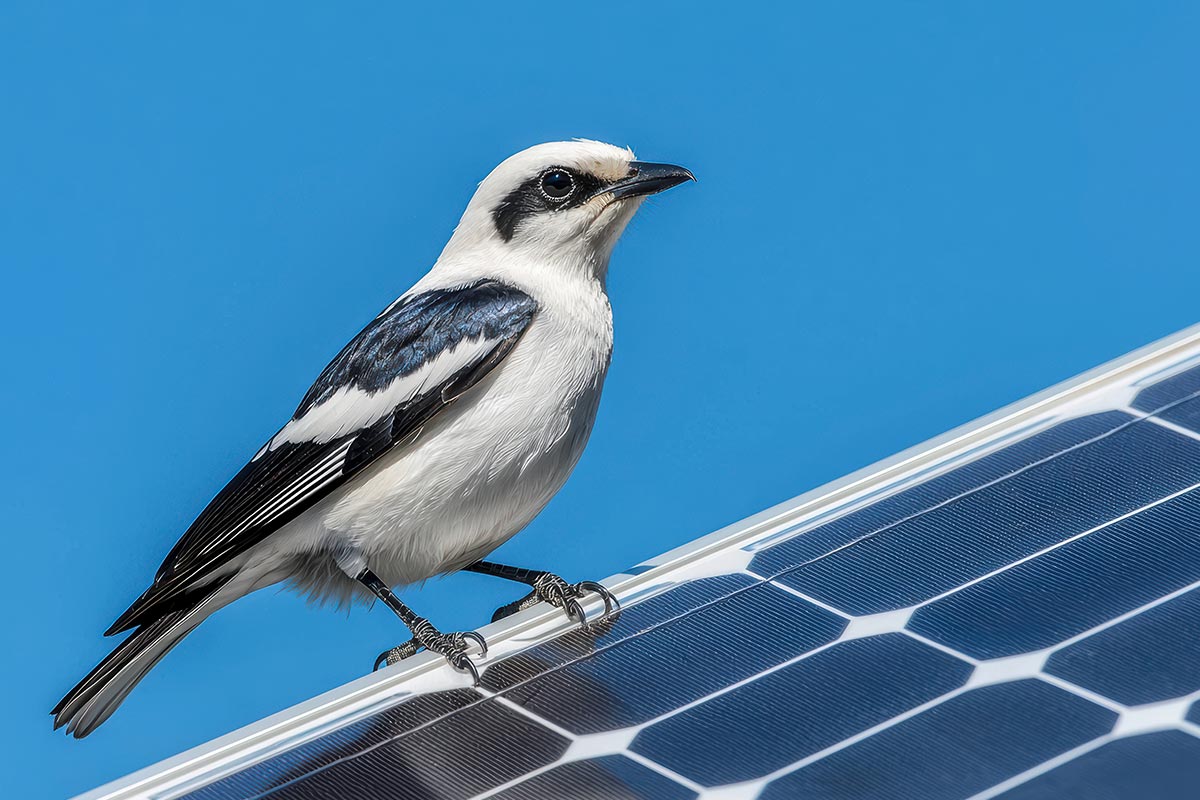
Solar panels are an excellent investment—but they also attract unwanted tenants: pigeons. Birds love to nest underneath panels because they provide warmth, shade, and protection from predators.
If left unchecked, bird activity can lead to clogged gutters, wiring damage, reduced energy efficiency, and thousands in repairs. The good news? With proper solar panel bird proofing, you can protect your solar system and prevent infestations—all without harming the birds.
Why Do Birds Nest Under Solar Panels?
Warm, Sheltered Space Solar panels create the perfect microclimate—warm, dry, and shaded.
Safety from Predators Being under panels keeps pigeons out of reach of cats, hawks, and raccoons.
Easy Access to Nesting Materials Nearby trees, garbage, or roof gardens provide ample nesting material.
Dangers of Bird Nesting Under Solar Panels
Wiring Damage – Birds chew and pull on cables
Fire Risk – Nesting materials are flammable
Reduced Efficiency – Debris and droppings cause panel shading
Roof Damage – Moisture and droppings cause corrosion and leakage
Health Hazards – Pigeon droppings carry histoplasmosis and salmonella
Solar Panel Bird Proofing Products
1. Bird Netting and Solar Mesh Guards
The most effective solution is to install UV-stabilized mesh or netting around the perimeter of the solar array. Shop Bird Netting Here: https://www.pigeonpatrol.ca/bird-netting/
Benefits:
Keeps birds from entering underneath panels
Blends with roof aesthetics
Weatherproof and long-lasting
Can be DIY-installed or professionally fitted
2. Bird Spikes for Edges and Frames
Install spikes along the outer edge of solar panels to prevent birds from landing or walking around the system. Explore Bird Spikes: https://www.pigeonpatrol.ca/bird-spikes/
Best for:
Lower panel edges
Surrounding rooftop ledges
Gutter edges below panels
3. Ultrasonic Bird Repellers
Ultrasonic bird repellers emit high-frequency sound that’s unpleasant for birds but inaudible to humans. Browse Ultrasonic Repellers: https://www.pigeonpatrol.ca/bird-repeller/
Use alongside netting for added protection.
How to Install Bird Proofing for Solar Panels
Step 1: Clean the Area Remove all bird nests, droppings, and debris. Disinfect the area thoroughly.
Step 2: Install Mesh or Netting Use solar mesh clips or roof-friendly fasteners to secure netting around the perimeter of the solar panel system.
Step 3: Add Bird Spikes or Repellers Install spikes on exposed edges or install a repeller unit to deter future roosting attempts.
Step 4: Regular Maintenance Inspect the proofing system every 6–12 months for wear and tear, especially after heavy storms.
Who Needs Solar Panel Bird Proofing?
Homeowners with Rooftop Solar Especially in urban or suburban areas with high pigeon populations.
Commercial Properties with Solar Arrays Warehouses, retail plazas, schools, or hospitals with rooftop solar systems.
Solar Panel Installers & Property Managers Protect client investments and reduce callbacks for bird-related service issues.
Yes. Birds can damage wiring, reduce efficiency, and cause expensive roof damage.
What is the best way to bird-proof solar panels?
The most effective method is mesh or netting around the perimeter, combined with bird spikes and ultrasonic deterrents.
How long does solar panel bird proofing last?
Pigeon Patrol’s mesh and netting systems are rated for 5–10 years or longer.
Will this hurt the birds?
No. All products are humane, non-toxic, and environmentally safe.
Bird-proofing your solar panels is a small investment that protects your energy system, roof, and health. Whether you’re a homeowner or a building manager, the best time to act is before pigeons move in.
The best pigeon deterrent for a balcony depends on where the birds are landing and how they enter the space. Properly fitted bird netting can block access to an open balcony, while bird spikes can discourage perching on specific ledges. Removing food and sheltered nesting spots supports both approaches.
Before buying a deterrent, watch where pigeons settle: on the railing, behind furniture, above the doorway or across the balcony floor. Matching the solution to those locations helps you avoid protecting one surface while leaving another accessible.
Start by deciding whether you need to prevent access to the whole balcony or protect a few landing spots. A barrier across an opening and an anti-perching system solve different problems.
Balcony pigeon deterrents: uses and limitations
Option
Useful when
What to check
Bird netting
Pigeons enter the balcony and use several sheltered areas.
The opening must be fully enclosed with suitable netting and secure edges. Installation must not trap birds or obstruct required access.
Bird spikes
Pigeons repeatedly perch on a particular ledge or other suitable surface.
The protected width and placement must match the landing area. Birds may still use nearby unprotected surfaces.
Magnetic spike mounting
A spike installation needs to allow removal for maintenance.
Confirm surface compatibility, mounting requirements and secure attachment with the supplier.
Visual deterrents
You want a supplementary measure while addressing access and attractants.
Responses vary, and birds can become accustomed to stationary objects.
Removing food and shelter
Food, water or protected corners encourage repeat visits.
This supports prevention but may not stop birds using an established roost.
Bird Netting for Balcony Openings
Balcony bird netting creates a physical barrier between pigeons and the space they are trying to enter. It is worth considering when birds land on the floor, shelter behind furniture or move between several nesting and roosting spots.
A successful installation depends on more than covering the middle of the opening. The perimeter, corners and attachment points need attention so birds cannot enter through gaps or become caught in loose material.
What to Check Before Choosing Netting
The height and width of each opening that needs protection.
The surfaces available for approved attachment points.
Whether doors, windows, drains and maintenance access will remain usable.
Whether the proposed installation affects emergency access or building requirements.
Whether any birds, eggs or young are already inside the area.
How the netting will be inspected and maintained.
For an apartment or condo, ask the landlord, strata council or property manager about exterior alterations before arranging installation. Upper-floor work and difficult attachment points should be assessed by a qualified installer.
Bird spikes are designed to make a protected surface difficult for pigeons to perch on. They may suit a narrow ledge or another defined landing area where birds repeatedly gather.
Spikes protect individual perching surfaces rather than enclosing the whole balcony.
Spikes do not enclose a balcony. If pigeons can land on the floor or reach a sheltered corner, protecting the railing alone may leave the main problem unresolved.
Match the Spikes to the Surface
Measure the full usable landing area before choosing a system. Coverage, mounting method and nearby alternative perches all matter. Avoid installations that create contact hazards where people use a handrail or regularly reach.
Keep installed spikes clear of accumulated debris and check for loose sections. Poor placement or gaps can leave room for birds to settle beside or behind the protected area.
A removable mounting system can be useful where window cleaning or other maintenance requires access. Pigeon Patrol’s magnetic bird spike system is designed to allow spike sections to be removed and reinstalled.
The magnets are part of the mounting system; they are not what prevents pigeons from perching. Confirm the correct installation for your surface, particularly where a loose component could fall to an area below.
What About Owls, Reflective Devices and Sound Repellers?
Visual deterrents may discourage visits in some situations, but results vary. A stationary owl or reflective object does not physically prevent access, and birds may become accustomed to it. Treat these products as supplementary measures rather than assuming they will resolve an established balcony roost.
Ultrasonic and Audible Sound Are Different
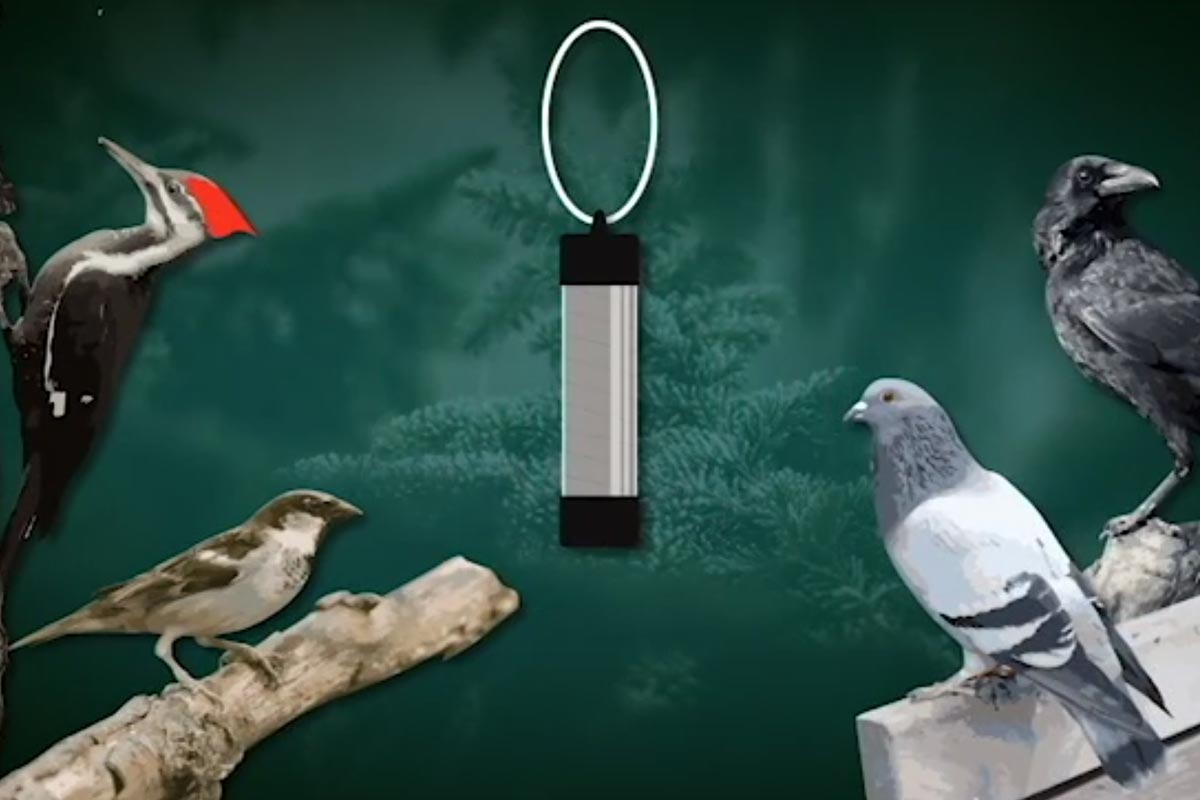
Ultrasonic sound should not be relied on to deter pigeons. Birds do not hear ultrasonic frequencies. Devices that also produce audible calls use a different mechanism, and their suitability depends on the setting, the birds’ response and potential disturbance to neighbours.
For a residential balcony, begin by assessing physical access, landing surfaces and attractants. Transport Canada discusses the limitations of ultrasonic devices in its review of bird-control products and techniques.
How to Plan Your Balcony Pigeon Protection
1. Identify Where Pigeons Land and Shelter
Observe the balcony from a safe position. Note whether pigeons use the top of the railing, a ledge, furniture or a sheltered floor area. Take photographs to help explain the problem when requesting advice.
2. Check for an Active Nest
Do not install a barrier that traps birds or separates adults from dependent young. If eggs or chicks are present, leave the nest undisturbed and seek advice before starting work.
The BC SPCA’s pigeon-control guidance recommends waiting until young birds can fly away before excluding nesting birds. Confirm the species and applicable requirements with a qualified local professional.
3. Confirm Building Approval
Ask about permitted materials, attachment methods and exterior appearance. If the problem involves several balconies or shared ledges, coordinate with the property manager so the proposed work addresses the affected areas together.
4. Remove Attractants and Arrange Appropriate Cleaning
Remove accessible food, secure rubbish and reduce unnecessary clutter that provides shelter. Address droppings before installation using an approach appropriate to the amount of contamination and the surface.
Use the observed bird activity to guide the installation. Netting addresses entry into a space; spikes address particular perches. Some balconies need both, while others have a single problem area that can be treated directly.
6. Inspect and Maintain the Installation
Check for gaps, loose fixings, damaged netting and accumulated debris. Inspect again after building maintenance or severe weather. If pigeons return, identify where they are gaining access before adding more products.
Choosing Between DIY Products and Installation Help
A small, safely accessible surface may be suitable for a DIY product installed according to the manufacturer’s instructions. A tall opening, exposed exterior ledge or complex netting installation needs a different assessment.
When contacting Pigeon Patrol, provide:
Your city and whether the property is a house, rental apartment or strata building.
Photographs taken safely from inside the balcony.
Approximate measurements of the affected area.
Details of where pigeons land and whether they are nesting.
Any installation restrictions provided by your building manager.
We can help you discuss suitable products and the next steps for your property. Explore our residential bird control services for more information.
Frequently Asked Questions About Balcony Pigeon Control
What is the best pigeon deterrent for a balcony?
The best option depends on the balcony layout. Properly fitted netting can block access to an open balcony, while bird spikes can protect specific ledges. Check where pigeons land, remove attractants and choose a system that addresses those locations.
Are bird spikes enough to keep pigeons off my balcony?
Bird spikes protect the surfaces they cover. They may help when pigeons use a particular ledge, but they will not stop birds entering an open balcony or landing on the floor. Broader access problems may require netting or another exclusion system.
Can I install pigeon deterrents on a rented or strata balcony?
Ask your landlord, strata council or property manager before attaching netting, spikes or other equipment. Confirm approved materials, mounting methods and access requirements before buying or installing a system.
Do ultrasonic repellers keep pigeons away?
Ultrasonic sound is not an evidence-based pigeon deterrent because birds do not hear ultrasonic frequencies. Audible sound devices are different, but results and suitability vary. Physical exclusion is a more practical starting point for many balconies.
What should I do if pigeons have eggs or chicks on my balcony?
Leave the nest undisturbed and seek advice from a qualified wildlife professional before starting exclusion work. Do not block adult birds from reaching dependent young or install netting that traps birds inside.
Can magnetic bird spikes attach to any balcony railing?
No. Suitability depends on the surface and the mounting system. Ask the supplier to confirm compatibility and secure installation requirements. The magnets mount the spikes; the spikes provide the physical anti-perching barrier.
How much does balcony pigeon control cost?
Cost depends on the opening size, number of perching areas, chosen products, installation access and preparation required. Send Pigeon Patrol photographs and approximate measurements for advice on products and a quote where installation is needed.
Get Help Choosing a Balcony Pigeon Deterrent
Protecting your balcony starts with understanding how pigeons use it. Pigeon Patrol can help you compare netting, bird spikes and mounting options for your property.
The steps of City Hall, once a symbol of civic pride, are now stained with something far less noble—pigeon droppings. A growing population of urban pigeons has turned the historic building into a nesting ground and bathroom, much to the frustration of city workers and residents.
“It’s absolutely disgusting,” said Angela Simmons, a clerk at the records office. “Every morning, we have to dodge piles of droppings just to get to the front door. Some days I have to bring a change of shoes.”
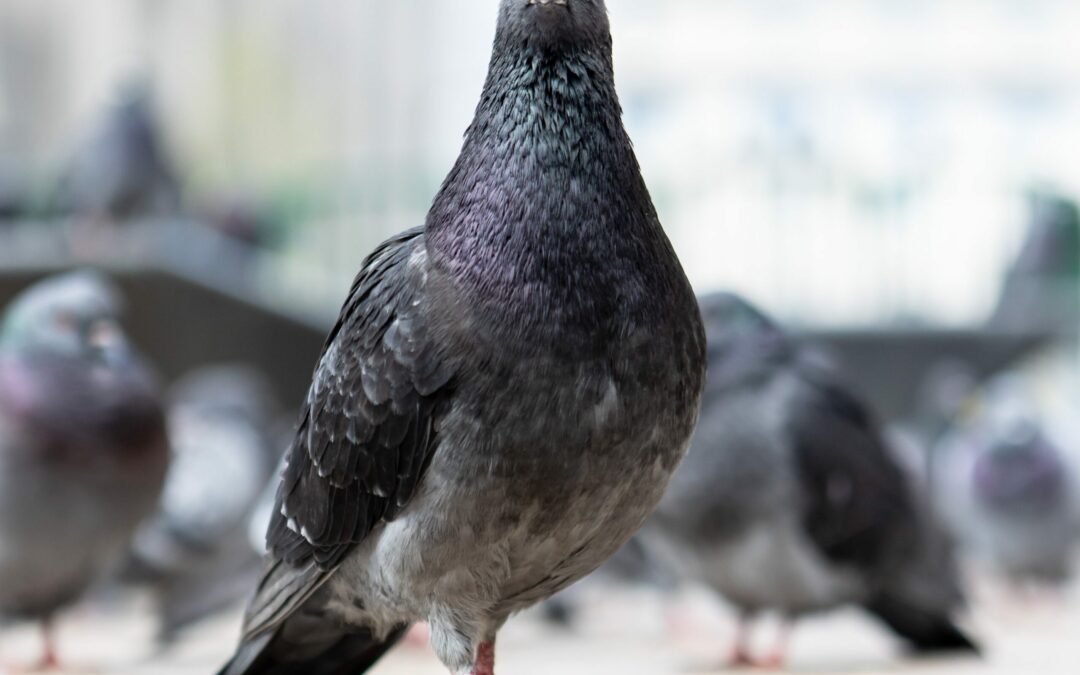
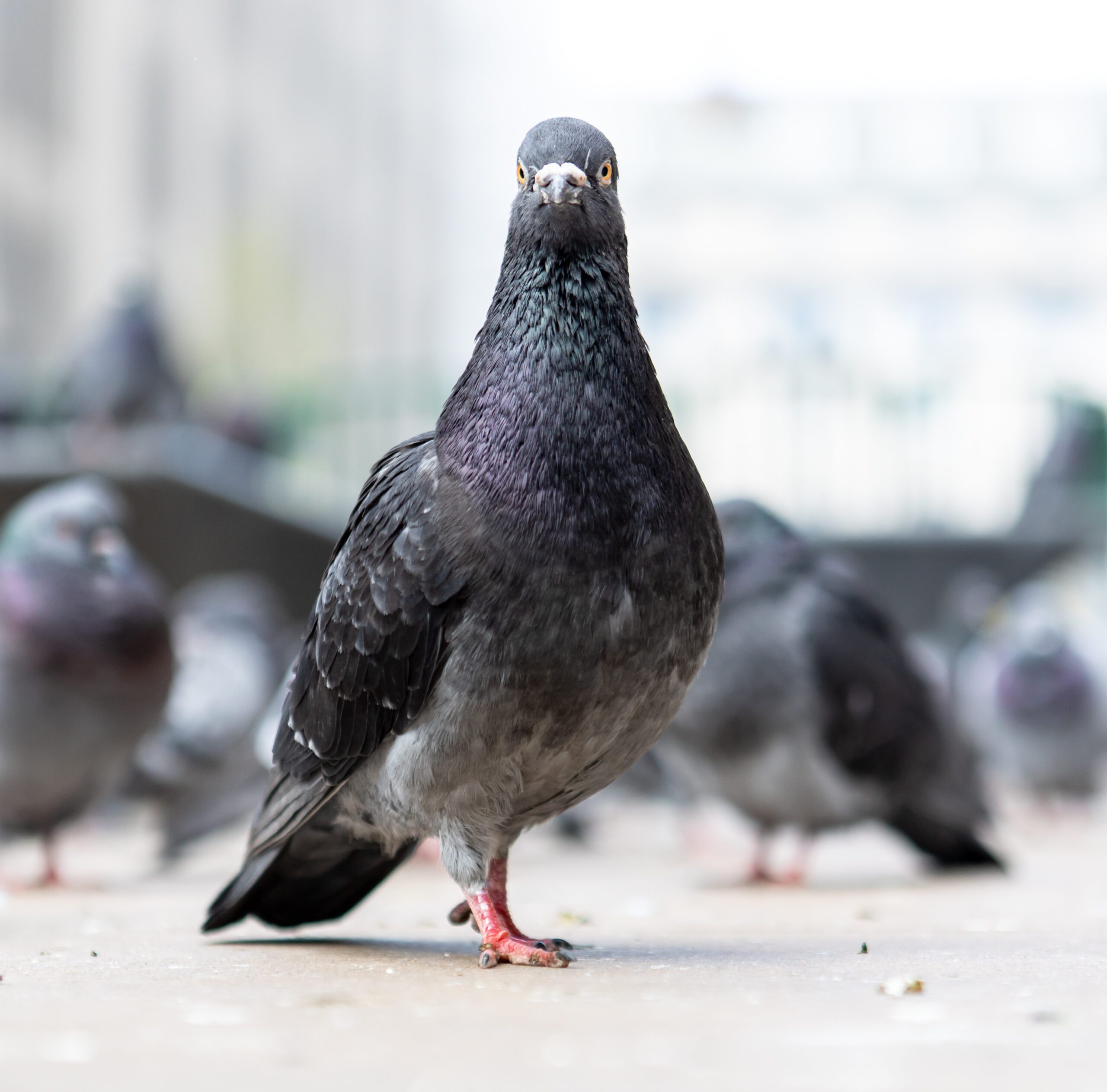
A closeup shot of a Feral pigeon in a city
The Department of Public Health has issued a warning about potential respiratory illnesses associated with dried pigeon feces, including histoplasmosis and cryptococcosis, both of which can cause serious lung infections.
Maintenance crews are power-washing the building’s steps twice a week, but it hasn’t been enough. “We’re just chasing the problem,” said Facilities Manager Larry Cho. “Until we deal with the birds themselves, we’ll keep mopping up after them.”
City Council is expected to vote next Tuesday on a proposed ordinance that would fund humane deterrents such as bird netting, sloped ledges, and the installation of owl decoys.
Pigeon Patrol Products & Services is the leading manufacturer and distributor of bird deterrent (control) products in Canada. Pigeon Patrol products have solved pest bird problems in industrial, commercial, and residential settings since 2000, by using safe and humane bird deterrents with only bird and animal -friendly solutions. At Pigeon Patrol, we manufacture and offer a variety of bird deterrents, ranging from Ultra-flex Bird Spikes with UV protection, Bird Netting, 4-S Bird Gel and the best Ultrasonic and audible sound devices on the market today.
Best Types of Pigeon Repellent
Bird Spikes– Pigeons can’t land on surfaces with bird spikes—perfect for ledges, sills, signs, and fences.
Shop Bird Spikes: https://www.pigeonpatrol.ca/bird-spikes/
The Brighton Clock Tower, a proud piece of the city’s 19th-century heritage, is under siege. Not by vandals or weather—but by pigeons. The acidic nature of their droppings is slowly eroding the sandstone structure, prompting alarm from conservationists and city officials alike.
“The pigeons have turned this into their personal toilet,” said heritage consultant Roger Fairbanks, shaking his head. “And the worst part is the damage is cumulative. What’s already been lost can’t be restored.”
Pigeons!!!
According to the Brighton Historical Society, the tower has not undergone a full cleaning in over five years. Recent inspections revealed black crusted layers of guano on upper ledges and a corrosion ring forming around the base.
Local residents are upset by what they see as neglect. “It’s embarrassing,” said Anna Pritchard, who brings tourists to the area. “They ask me about the clock, and I’m afraid to tell them what’s actually on it.”
City engineers are now weighing the cost of installing anti-roosting spikes and motion-activated deterrents. Meanwhile, experts warn that if the situation isn’t addressed soon, the damage could become irreversible.
Pigeon Patrol
Pigeon Patrol Products & Services is the leading manufacturer and distributor of bird deterrent (control) products in Canada. Pigeon Patrol products have solved pest bird problems in industrial, commercial, and residential settings since 2000, by using safe and humane bird deterrents with only bird and animal -friendly solutions. At Pigeon Patrol, we manufacture and offer a variety of bird deterrents, ranging from Ultra-flex Bird Spikes with UV protection, Bird Netting, 4-S Bird Gel and the best Ultrasonic and audible sound devices on the market today.
Best Types of Pigeon Repellent
Bird Spikes– Pigeons can’t land on surfaces with bird spikes—perfect for ledges, sills, signs, and fences.
Shop Bird Spikes: https://www.pigeonpatrol.ca/bird-spikes/