

Best Pigeon Deterrents for Balconies: Netting, Spikes and Prevention
The best pigeon deterrent for a balcony depends on where the birds are landing and how they enter the space. Properly fitted bird netting can block access to an open balcony, while bird spikes can discourage perching on specific ledges. Removing food and sheltered nesting spots supports both approaches.
Before buying a deterrent, watch where pigeons settle: on the railing, behind furniture, above the doorway or across the balcony floor. Matching the solution to those locations helps you avoid protecting one surface while leaving another accessible.
Pigeon Patrol offers bird control products and advice for homeowners, tenants and property managers. Compare the options below, or contact us for help choosing a balcony pigeon-control solution.
Which Pigeon Deterrent Suits Your Balcony?
Start by deciding whether you need to prevent access to the whole balcony or protect a few landing spots. A barrier across an opening and an anti-perching system solve different problems.
| Option | Useful when | What to check |
|---|---|---|
| Bird netting | Pigeons enter the balcony and use several sheltered areas. | The opening must be fully enclosed with suitable netting and secure edges. Installation must not trap birds or obstruct required access. |
| Bird spikes | Pigeons repeatedly perch on a particular ledge or other suitable surface. | The protected width and placement must match the landing area. Birds may still use nearby unprotected surfaces. |
| Magnetic spike mounting | A spike installation needs to allow removal for maintenance. | Confirm surface compatibility, mounting requirements and secure attachment with the supplier. |
| Visual deterrents | You want a supplementary measure while addressing access and attractants. | Responses vary, and birds can become accustomed to stationary objects. |
| Removing food and shelter | Food, water or protected corners encourage repeat visits. | This supports prevention but may not stop birds using an established roost. |
Bird Netting for Balcony Openings
Balcony bird netting creates a physical barrier between pigeons and the space they are trying to enter. It is worth considering when birds land on the floor, shelter behind furniture or move between several nesting and roosting spots.
A successful installation depends on more than covering the middle of the opening. The perimeter, corners and attachment points need attention so birds cannot enter through gaps or become caught in loose material.
What to Check Before Choosing Netting
- The height and width of each opening that needs protection.
- The surfaces available for approved attachment points.
- Whether doors, windows, drains and maintenance access will remain usable.
- Whether the proposed installation affects emergency access or building requirements.
- Whether any birds, eggs or young are already inside the area.
- How the netting will be inspected and maintained.
For an apartment or condo, ask the landlord, strata council or property manager about exterior alterations before arranging installation. Upper-floor work and difficult attachment points should be assessed by a qualified installer.
Explore Pigeon Patrol bird netting or ask about netting for your balcony layout.
Bird Spikes for Ledges and Perching Areas
Bird spikes are designed to make a protected surface difficult for pigeons to perch on. They may suit a narrow ledge or another defined landing area where birds repeatedly gather.
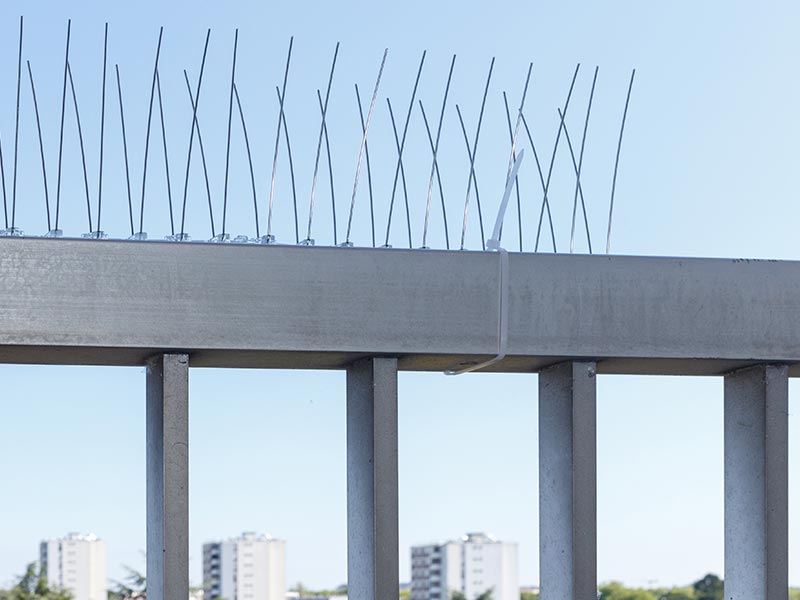
Spikes protect individual perching surfaces rather than enclosing the whole balcony.
Spikes do not enclose a balcony. If pigeons can land on the floor or reach a sheltered corner, protecting the railing alone may leave the main problem unresolved.
Match the Spikes to the Surface
Measure the full usable landing area before choosing a system. Coverage, mounting method and nearby alternative perches all matter. Avoid installations that create contact hazards where people use a handrail or regularly reach.
Keep installed spikes clear of accumulated debris and check for loose sections. Poor placement or gaps can leave room for birds to settle beside or behind the protected area.
View Pigeon Patrol bird spikes and installation information.
When to Consider Magnetic Bird Spikes
A removable mounting system can be useful where window cleaning or other maintenance requires access. Pigeon Patrol’s magnetic bird spike system is designed to allow spike sections to be removed and reinstalled.
The magnets are part of the mounting system; they are not what prevents pigeons from perching. Confirm the correct installation for your surface, particularly where a loose component could fall to an area below.
Learn about the magnetic bird spike mounting system and confirm the components required before ordering.
What About Owls, Reflective Devices and Sound Repellers?
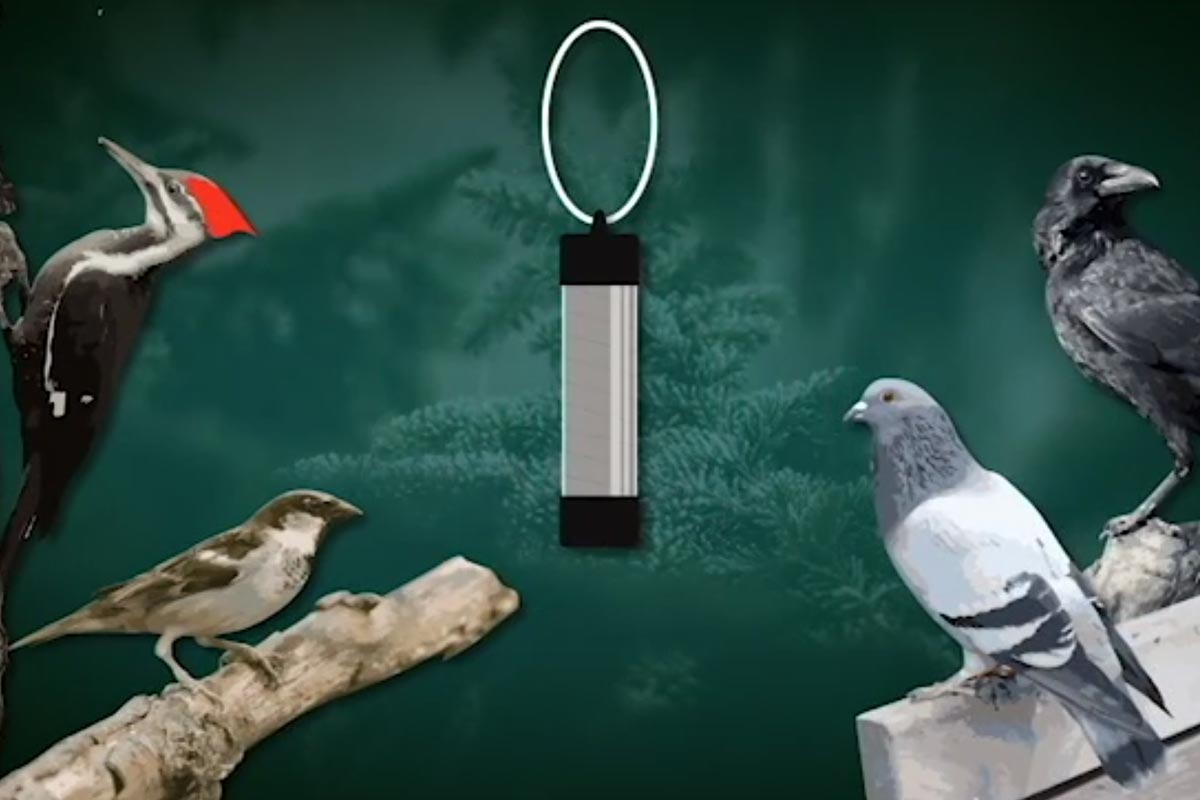
Visual deterrents may discourage visits in some situations, but results vary. A stationary owl or reflective object does not physically prevent access, and birds may become accustomed to it. Treat these products as supplementary measures rather than assuming they will resolve an established balcony roost.
Ultrasonic and Audible Sound Are Different
Ultrasonic sound should not be relied on to deter pigeons. Birds do not hear ultrasonic frequencies. Devices that also produce audible calls use a different mechanism, and their suitability depends on the setting, the birds’ response and potential disturbance to neighbours.
For a residential balcony, begin by assessing physical access, landing surfaces and attractants. Transport Canada discusses the limitations of ultrasonic devices in its review of bird-control products and techniques.
How to Plan Your Balcony Pigeon Protection
1. Identify Where Pigeons Land and Shelter
Observe the balcony from a safe position. Note whether pigeons use the top of the railing, a ledge, furniture or a sheltered floor area. Take photographs to help explain the problem when requesting advice.
2. Check for an Active Nest
Do not install a barrier that traps birds or separates adults from dependent young. If eggs or chicks are present, leave the nest undisturbed and seek advice before starting work.
The BC SPCA’s pigeon-control guidance recommends waiting until young birds can fly away before excluding nesting birds. Confirm the species and applicable requirements with a qualified local professional.
3. Confirm Building Approval
Ask about permitted materials, attachment methods and exterior appearance. If the problem involves several balconies or shared ledges, coordinate with the property manager so the proposed work addresses the affected areas together.
4. Remove Attractants and Arrange Appropriate Cleaning
Remove accessible food, secure rubbish and reduce unnecessary clutter that provides shelter. Address droppings before installation using an approach appropriate to the amount of contamination and the surface.
For related information, read our guide to cleaning pigeon poop off a balcony. Extensive accumulations or difficult access are reasons to obtain professional advice.
5. Protect the Access Points or Landing Areas
Use the observed bird activity to guide the installation. Netting addresses entry into a space; spikes address particular perches. Some balconies need both, while others have a single problem area that can be treated directly.
6. Inspect and Maintain the Installation
Check for gaps, loose fixings, damaged netting and accumulated debris. Inspect again after building maintenance or severe weather. If pigeons return, identify where they are gaining access before adding more products.
Choosing Between DIY Products and Installation Help
A small, safely accessible surface may be suitable for a DIY product installed according to the manufacturer’s instructions. A tall opening, exposed exterior ledge or complex netting installation needs a different assessment.
When contacting Pigeon Patrol, provide:
- Your city and whether the property is a house, rental apartment or strata building.
- Photographs taken safely from inside the balcony.
- Approximate measurements of the affected area.
- Details of where pigeons land and whether they are nesting.
- Any installation restrictions provided by your building manager.
We can help you discuss suitable products and the next steps for your property. Explore our residential bird control services for more information.
Frequently Asked Questions About Balcony Pigeon Control
What is the best pigeon deterrent for a balcony?
The best option depends on the balcony layout. Properly fitted netting can block access to an open balcony, while bird spikes can protect specific ledges. Check where pigeons land, remove attractants and choose a system that addresses those locations.
Are bird spikes enough to keep pigeons off my balcony?
Bird spikes protect the surfaces they cover. They may help when pigeons use a particular ledge, but they will not stop birds entering an open balcony or landing on the floor. Broader access problems may require netting or another exclusion system.
Can I install pigeon deterrents on a rented or strata balcony?
Ask your landlord, strata council or property manager before attaching netting, spikes or other equipment. Confirm approved materials, mounting methods and access requirements before buying or installing a system.
Do ultrasonic repellers keep pigeons away?
Ultrasonic sound is not an evidence-based pigeon deterrent because birds do not hear ultrasonic frequencies. Audible sound devices are different, but results and suitability vary. Physical exclusion is a more practical starting point for many balconies.
What should I do if pigeons have eggs or chicks on my balcony?
Leave the nest undisturbed and seek advice from a qualified wildlife professional before starting exclusion work. Do not block adult birds from reaching dependent young or install netting that traps birds inside.
Can magnetic bird spikes attach to any balcony railing?
No. Suitability depends on the surface and the mounting system. Ask the supplier to confirm compatibility and secure installation requirements. The magnets mount the spikes; the spikes provide the physical anti-perching barrier.
How much does balcony pigeon control cost?
Cost depends on the opening size, number of perching areas, chosen products, installation access and preparation required. Send Pigeon Patrol photographs and approximate measurements for advice on products and a quote where installation is needed.
Get Help Choosing a Balcony Pigeon Deterrent
Protecting your balcony starts with understanding how pigeons use it. Pigeon Patrol can help you compare netting, bird spikes and mounting options for your property.
Request balcony bird-control advice or call 1-877-466-2473.
Ready to explore the products? Browse our bird netting, bird spikes and magnetic spike mounting systems.