Killing these creatures is not the best solution

Killing these creatures is not the best solution

I URGE Wycombe District Council to move away from their barbaric, ineffective and costly proposal to kill pigeons, and to instead consider the humane and intelligent alternatives to reduce the pigeon population humanely.

Lethal culling through the use of birds of prey, etc, will produce some temporary reduction in pigeon population numbers but, just as with the culling of stray dogs in urban environments overseas, the area vacated by the culled pigeons will be taken up by other pigeons, unless the council is prepared to maintain the intensive use of a hawk in perpetuity, all making their proposal an expensive and inhumane solution.

Scientific research carried out in Switzerland by the University of Basel, between 1988 and 1992, clearly demonstrates that killing pigeons as a control option is not only expensive but also counter-productive.

During a census in 1963, the City of Basel was found to have a pigeon population of 20,000 birds and in the following 24 years the city council used every means at their disposal to reduce the population, including killing over 100,000 pigeons inhumanely. In 1988, a count revealed that Basel’s wild pigeon population was nearer 30,000 pigeons, an increase of 33% over and above the figure of 20,000 birds counted in the 1963 census.
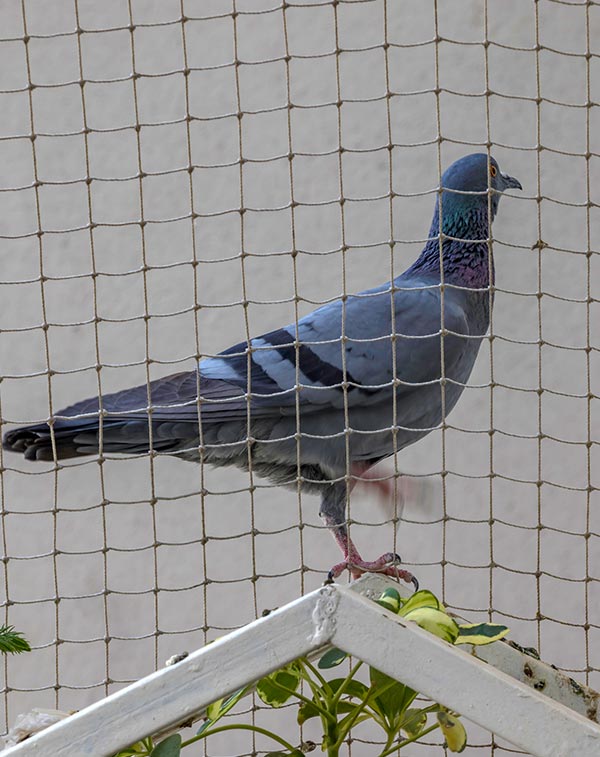
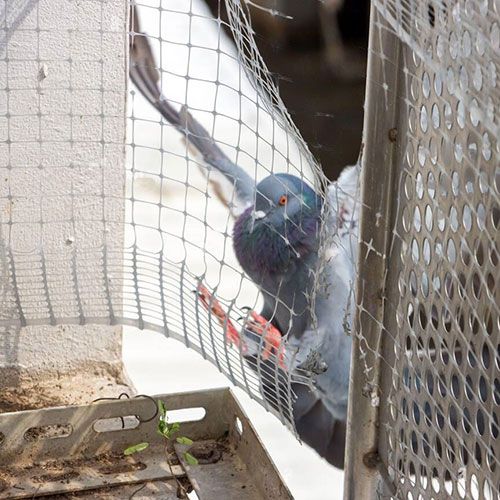
Bird netting installed in barn in LethbridgeThis dramatic increment in flock size confirmed that the city council’s lethal control policy, operated between 1963 and 1985, had not only been totally ineffective, but had actually resulted in an increase in flock size of nearly one third. As a result, the city council realized that the problem had to be tackled at source

Between 1988 and 1990 the City of Basel introduced a massive information campaign to educate the public about pigeons and the relationship between feeding and resultant overpopulation.

Alongside the campaign, the council asked the University of Basel to carry out a scientific study to find a solution. This well-documented research concluded that killing pigeons had no effect on reducing flock size and in most cases resulted in an increase in pigeon numbers.

Based on the view that lethal control could not reduce population size the research team looked at non-conventional and quite diverse methods.

The idea of providing artificial breeding facilities where eggs could be removed and replaced with dummy eggs was put into practice. During the four-year research period, over 1,200 eggs each year were removed and replaced with dummy ones. Over a 50-month period this had the effect of reducing the pigeon population in these test areas by a staggering 50 per cent. In addition, large quantities of pigeon excrement were removed.

It is Germany that is now setting the example. The city of Augsburg voted to improve and expand its humane pigeon control programme by the creation of pigeon lofts in converted roof voids in buildings. In just one year, the council removed 1,200 eggs from seven pigeon lofts.

The use of dovecotes and designated feeding areas in public places combined with the use of lofts has also helped local authorities and sites in the UK to concentrate and control pigeon numbers in a humane but highly effective manner.

Nottingham City Hospital was awarded the RSPCA Best Practices Award (2003) for adopting a non-lethal strategy. The hospital’s pigeon population has decreased dramatically down to 65 birds and this is from a start figure of 1,200. WDC, please consider an intelligent and humane alternative. The scientific proof and evidence is well documented and should not be ignored. There are control regimes that are 100% non-lethal, sustainable, inexpensive and publicly acceptable. That aside, the people of High Wycombe will not react well to the potential scenario of a bird of prey tearing a pigeon apart and then eating it alive in the town centre in front of children, tourists and residents.


Pigeon Patrol

Pigeon Patrol Products & Services is the leading manufacturer and distributor of bird deterrent (control) products in Canada. Pigeon Patrol products have solved pest bird problems in industrial, commercial, and residential settings since 2000, by using safe and humane bird deterrents with only bird and animal -friendly solutions. At Pigeon Patrol, we manufacture and offer a variety of bird deterrents, ranging from Ultra-flex Bird Spikes with UV protection, Bird Netting, 4-S Bird Gel and the best Ultrasonic and audible sound devices on the market today.

Best Types of Pigeon Repellent

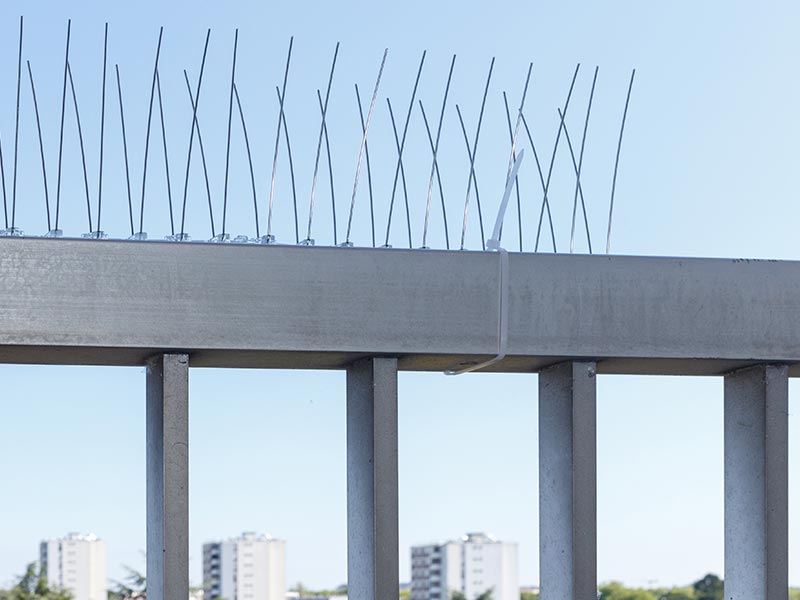
  1. Bird Spikes– Pigeons can’t land on surfaces with bird spikes—perfect for ledges, sills, signs, and fences.
    Shop Bird Spikes: https://www.pigeonpatrol.ca/bird-spikes/
  2. Bird Sound Deterrents / Ultrasonic Repellers– Emit high-frequency sound to drive pigeons away without harming them.
    Browse Ultrasonic Bird Repellers: https://www.pigeonpatrol.ca/bird-repeller/
  3. Pigeon Netting– Blocks pigeons from accessing nesting zones permanently.
    See Pigeon Netting: https://www.pigeonpatrol.ca/bird-netting/

Canada’s top wholesaler for bird deterrent products for twelve consecutive years.

Contact us at 1- 877– 4– NO-BIRD, (604) 585-9279 or visit our website at https://www.pigeonpatrol.ca/

Bird Gone, Pigeon Gone, Pigeon problems, pigeon spikes, 1-877-4NO-BIRD, 4-S Gel, Bird Control, Pigeon Control, bird repellent, Bird Spikes, sonic bird repellent, stainless steel bird spikes, bird spikes Vancouver, Ultra Sonic Bird Control, Bird Netting, Plastic Bird Spikes, Canada bird spike deterrents, Pigeon Pests, B Gone Pigeon, Pigeon Patrol, pest controller, pest control operator, pest control technician, Pigeon Control Products, humane pigeon spikes, pigeon deterrents, pigeon traps, Pigeon repellents, Sound & Laser Deterrents, wildlife control, raccoon, skunk, squirrel deterrent, De-Fence Spikes, Dragons Den, Pigeon, Pigeon Patrol, Pigeons Roosting, Vancouver Pigeon Control, Bird Spikes, Bird Control, Bird Deterrent, Pigeon Deterrent, Surrey Pigeon Control, Pest, Seagull deterrent  Vancouver Pigeon Blog, Birds Inside Home De-fence, Pigeon Nesting, Bird Droppings, Pigeon Dropping, woodpecker control,  Keep The Birds Away, Birds/rats, seagull, pigeon, woodpecker, dove, sparrow, pidgeon control, pidgeon problem, pidgeon control, flying rats, pigeon Problems, bird netting, bird gel, bird spray, bird nails, bird guard, Pigeon control, Bird deterrents, Pigeon deterrents, Bird control, solutions, Pigeon prevention, Pigeon repellent, Bird proofing, Pest bird management, Pigeon spikes, Bird netting, Humane bird control, Bird exclusion, Urban bird control, Anti-roosting devices, Pigeon removal, Bird barriers

.
FOR THE BIRDS ST. LUKE’S HOSPITAL BATTLES AN INVASION OF CROWS

FOR THE BIRDS ST. LUKE’S HOSPITAL BATTLES AN INVASION OF CROWS

Alfred Hitchcock couldn’t have choreographed it better.
Every sunset since mid-December, the sky above St. Luke’s Hospital in Fountain Hill turns black with the fluttering swarm of 5,000 to 10,000 crows that fly from feeding grounds around the Lehigh Valley to roost on a nearby wooded knoll.
During their noisy, cawing arrival and even noisier pre-dawn departure — and much of the time between — the large birds have been bombarding the hospital, homes, streets, cars, woods and, yes, residents themselves with the natural end-result of their daylong feedings.
The problem has gotten so noxious that the U.S. Department of Agriculture has been summoned to harass the birds until they roost elsewhere.
Beginning at dusk today, the USDA and members of St. Luke’s security staff will roust the crows with loud explosives and whistling pyrotechnics, and chase them with amplified crow distress calls until theyflee.
“It’s not so much that they’re causing a lot of problems, it’s just that they’re a health hazard. With 5,000 birds, that’s a lot of bird droppings, and that can become a potential health hazard,” said hospital spokesman Steve Andrews.
The most significant health threat from crow droppings is a fungal respiratory disease called histoplasmosis, according to Thomas N. Tomsa Jr., district supervisor for USDA Wildlife Services.
“The spores can become airborne, and this respiratory fungal disease can develop,” Tomsa said.
Though there are no indications that the birds have brought the disease to the wooded area behind the hospital, St. Luke’s officials are taking no chances.
St. Luke’s Security Director John Hrubenak said the hospital installed an amplified distress-call sound system two weeks to chase the birds from the roof, which has ventilation ducts and a helicopter landing pad.
“We didn’t want them hanging around on our heliport. We just didn’t want to take any chances,” Hrubenak said. “Certainly there was concern about a flock flying into the path of a helicopter.”
So far, the distress calls have kept the birds about 300 feet from the roof, he said.
It’s not unusual to see so many crows in one place, according to Kevin J. McGowan, a crow expert at Cornell University. American crows are most noticeable when the short winter day comes to an end. Streams of them can be seen flying high overhead, with a sense of purpose.
Thousands or tens of thousands converge at a winter roost, congregating from as far away as 20 miles. In the ’70s, a flock in Fort Cobb, Okla., was recorded at 2 million.
They like urban areas because the artificial light helps protect them from the great horned owl, their natural enemy, and because urban areas are warmer than the countryside.
Crows that breed near the roost site mix with migrants from thousands of miles away.
Besides raising concerns at St. Luke’s, the birds have created problems for residents living near the wooded knoll and hospital employees using the lower parking lot off Ostrum Street.
The tree-lined path from the front door of Kim Gencarelli’s home at 500 Ostrum St. has turned into a nightly obstacle course.
“You’ll walk out of your house and get hit or nearly hit with their stuff,” Gencarelli said. “In order to keep clean from my door to my car, I need an umbrella.”
The daily bombardment has also taken its toll on cars. The matter had been compounded by voluntary water rationing, which limited car washing.
“On my way to the car wash, I had people staring, pointing and laughing. My car was covered. You really couldn’t see it was brown, it was white,” Gencarelli said.
On nearby Brighton Street, Robert Guerriere finds nightly challenges while walking his dog.Bird spikes on White Rock restaurant awning
“I have to look up to see exactly where they are so I don’t get dropped on,” Guerriere said.
The birds’ nightly droppings are so prolific, Guerriere said, “It sounds like rain. It’s not fun. It stinks and smells.”
But not all have had their feathers ruffled.
Ed Sinkler, who lives a block from Gencarelli, said birds are supposed to be in the woods and wondered where they would go when they left.
“It’s sort of majestic watching 10,000 crows come in. They make a nice little chorus at 5:30 in the morning,” Sinkler said.
“I wish there was a way to lure them somewhere else. That would be a better solution than to scare them up and let them go. These are woods and … that’s where they’re supposed to be.”
Tomsa acknowledges the birds may make trouble at another location but prefers to address one problem at a time.
Before this year, the birds roosted in the wooded knoll and on the Hill-to-Hill Bridge. But their numbers were only a fraction of what they are this year.
In December, Tomsa said, his agency harassed a similar number of crows that had been dumping all over the Capitol complex in Harrisburg. It took about five nights of harassment to make them fly the coop. Similarly, Tomsa said he expects the birds will be flushed from their Fountain Hill roost by the weekend.
Even though the nightly two-hour bursts of sound should be enough to force the crows to take flight, the noise will be muffled in the hospital and homes and should present a fraction of the nuisance the birds cause, according to Tomsa.
In a letter to Hrubenak, Tomsa wrote that once the birds are gone, they probably won’t return this winter. But they may be back next year.


Pigeon Patrol

Pigeon Patrol Products & Services is the leading manufacturer and distributor of bird deterrent (control) products in Canada. Pigeon Patrol products have solved pest bird problems in industrial, commercial, and residential settings since 2000, by using safe and humane bird deterrents with only bird and animal -friendly solutions. At Pigeon Patrol, we manufacture and offer a variety of bird deterrents, ranging from Ultra-flex Bird Spikes with UV protection, Bird Netting, 4-S Bird Gel and the best Ultrasonic and audible sound devices on the market today.

Best Types of Pigeon Repellent

  1. Bird Spikes– Pigeons can’t land on surfaces with bird spikes—perfect for ledges, sills, signs, and fences.
    Shop Bird Spikes: https://www.pigeonpatrol.ca/bird-spikes/
  2. Bird Sound Deterrents / Ultrasonic Repellers– Emit high-frequency sound to drive pigeons away without harming them.
    Browse Ultrasonic Bird Repellers: https://www.pigeonpatrol.ca/bird-repeller/
  3. Pigeon Netting– Blocks pigeons from accessing nesting zones permanently.
    See Pigeon Netting: https://www.pigeonpatrol.ca/bird-netting/

Canada’s top wholesaler for bird deterrent products for twelve consecutive years.

Contact us at 1- 877– 4– NO-BIRD, (604) 585-9279 or visit our website at https://www.pigeonpatrol.ca/

Bird Gone, Pigeon Gone, Pigeon problems, pigeon spikes, 1-877-4NO-BIRD, 4-S Gel, Bird Control, Pigeon Control, bird repellent, Bird Spikes, sonic bird repellent, stainless steel bird spikes, bird spikes Vancouver, Ultra Sonic Bird Control, Bird Netting, Plastic Bird Spikes, Canada bird spike deterrents, Pigeon Pests, B Gone Pigeon, Pigeon Patrol, pest controller, pest control operator, pest control technician, Pigeon Control Products, humane pigeon spikes, pigeon deterrents, pigeon traps, Pigeon repellents, Sound & Laser Deterrents, wildlife control, raccoon, skunk, squirrel deterrent, De-Fence Spikes, Dragons Den, Pigeon, Pigeon Patrol, Pigeons Roosting, Vancouver Pigeon Control, Bird Spikes, Bird Control, Bird Deterrent, Pigeon Deterrent, Surrey Pigeon Control, Pest, Seagull deterrent  Vancouver Pigeon Blog, Birds Inside Home De-fence, Pigeon Nesting, Bird Droppings, Pigeon Dropping, woodpecker control,  Keep The Birds Away, Birds/rats, seagull, pigeon, woodpecker, dove, sparrow, pidgeon control, pidgeon problem, pidgeon control, flying rats, pigeon Problems, bird netting, bird gel, bird spray, bird nails, bird guard, Pigeon control, Bird deterrents, Pigeon deterrents, Bird control, solutions, Pigeon prevention, Pigeon repellent, Bird proofing, Pest bird management, Pigeon spikes, Bird netting, Humane bird control, Bird exclusion, Urban bird control, Anti-roosting devices, Pigeon removal, Bird barriers

A Fixed Netting System as a Means of Excluding Birds From a Domestic Waste Landfill

A Fixed Netting System as a Means of Excluding Birds From a Domestic Waste Landfill

Many bird species are attracted to landfills which take domestic or putrescible waste. These sites provide a reliable, rich source of food which can attract large concentrations of birds. The birds may cause conflicts with human interest with respect to noise, birds carrying litter off site, possible transmission of pathogens in bird droppings and the potential for birdstrikes. In the UK there is an 8 mile safeguarding radius around an airfield, within which any planning applications must pass scrutiny from regulatory bodies to show they will not attract birds into the area and increase the birdstrike risk. Peckfield Landfill site near Leeds, West Yorkshire was chosen for a trial of a netting system designed to exclude birds from domestic waste landfills. The site was assessed for bird numbers before the trial, during the netting trial and after the net had been removed. A ScanCord net was installed for 6 weeks, during which time all household waste was tipped inside the net. Gull numbers decreased on the site from a mean of 107

4 per hourly count to 29 per hourly count after two days. The gull numbers increased again after the net had been removed. Bird concentrations in the surroundings were also monitored to assess the effect of the net. Bird numbers in the immediate vicinity of the landfill site were higher than those further away. When the net was installed, the bird concentrations adjacent to the landfill site decreased. Corvids were not affected by the net as they fed on covered waste which was available outside the net throughout the trial. This shows that bird problems on a landfill site are complex, requiring a comprehensive policy of bird control. A supporting bird scaring system and clear operating policy for sites near to airports would be required.

Pigeon Patrol

Pigeon Patrol Products & Services is the leading manufacturer and distributor of bird deterrent (control) products in Canada. Pigeon Patrol products have solved pest bird problems in industrial, commercial, and residential settings since 2000, by using safe and humane bird deterrents with only bird and animal -friendly solutions. At Pigeon Patrol, we manufacture and offer a variety of bird deterrents, ranging from Ultra-flex Bird Spikes with UV protection, Bird Netting, 4-S Bird Gel and the best Ultrasonic and audible sound devices on the market today.

Best Types of Pigeon Repellent

  1. Bird Spikes– Pigeons can’t land on surfaces with bird spikes—perfect for ledges, sills, signs, and fences.
    Shop Bird Spikes: https://www.pigeonpatrol.ca/bird-spikes/
  2. Bird Sound Deterrents / Ultrasonic Repellers– Emit high-frequency sound to drive pigeons away without harming them.
    Browse Ultrasonic Bird Repellers: https://www.pigeonpatrol.ca/bird-repeller/
  3. Pigeon Netting– Blocks pigeons from accessing nesting zones permanently.
    See Pigeon Netting: https://www.pigeonpatrol.ca/bird-netting/

Canada’s top wholesaler for bird deterrent products for twelve consecutive years.

Contact us at 1- 877– 4– NO-BIRD, (604) 585-9279 or visit our website at https://www.pigeonpatrol.ca/

Bird Gone, Pigeon Gone, Pigeon problems, pigeon spikes, 1-877-4NO-BIRD, 4-S Gel, Bird Control, Pigeon Control, bird repellent, Bird Spikes, sonic bird repellent, stainless steel bird spikes, bird spikes Vancouver, Ultra Sonic Bird Control, Bird Netting, Plastic Bird Spikes, Canada bird spike deterrents, Pigeon Pests, B Gone Pigeon, Pigeon Patrol, pest controller, pest control operator, pest control technician, Pigeon Control Products, humane pigeon spikes, pigeon deterrents, pigeon traps, Pigeon repellents, Sound & Laser Deterrents, wildlife control, raccoon, skunk, squirrel deterrent, De-Fence Spikes, Dragons Den, Pigeon, Pigeon Patrol, Pigeons Roosting, Vancouver Pigeon Control, Bird Spikes, Bird Control, Bird Deterrent, Pigeon Deterrent, Surrey Pigeon Control, Pest, Seagull deterrent  Vancouver Pigeon Blog, Birds Inside Home De-fence, Pigeon Nesting, Bird Droppings, Pigeon Dropping, woodpecker control,  Keep The Birds Away, Birds/rats, seagull, pigeon, woodpecker, dove, sparrow, pidgeon control, pidgeon problem, pidgeon control, flying rats, pigeon Problems, bird netting, bird gel, bird spray, bird nails, bird guard, Pigeon control, Bird deterrents, Pigeon deterrents, Bird control, solutions, Pigeon prevention, Pigeon repellent, Bird proofing, Pest bird management, Pigeon spikes, Bird netting, Humane bird control, Bird exclusion, Urban bird control, Anti-roosting devices, Pigeon removal, Bird barriers

Solar Panel Bird Proofing – How to Protect Your Panels from Pigeons and Other Birds

Solar Panel Bird Proofing – How to Protect Your Panels from Pigeons and Other Birds

Solar panels are an excellent investment—but they also attract unwanted tenants: pigeons. Birds love to nest underneath panels because they provide warmth, shade, and protection from predators.

If left unchecked, bird activity can lead to clogged gutters, wiring damage, reduced energy efficiency, and thousands in repairs. The good news? With proper solar panel bird proofing, you can protect your solar system and prevent infestations—all without harming the birds.

Why Do Birds Nest Under Solar Panels?

  1. Warm, Sheltered Space
    Solar panels create the perfect microclimate—warm, dry, and shaded.
  2. Safety from Predators
    Being under panels keeps pigeons out of reach of cats, hawks, and raccoons.
  3. Easy Access to Nesting Materials
    Nearby trees, garbage, or roof gardens provide ample nesting material.

Dangers of Bird Nesting Under Solar Panels

  • Wiring Damage – Birds chew and pull on cables
  • Fire Risk – Nesting materials are flammable
  • Reduced Efficiency – Debris and droppings cause panel shading
  • Roof Damage – Moisture and droppings cause corrosion and leakage
  • Health Hazards – Pigeon droppings carry histoplasmosis and salmonella

Solar Panel Bird Proofing Products

1. Bird Netting and Solar Mesh Guards

The most effective solution is to install UV-stabilized mesh or netting around the perimeter of the solar array.
Shop Bird Netting Here: https://www.pigeonpatrol.ca/bird-netting/

Benefits:

  • Keeps birds from entering underneath panels
  • Blends with roof aesthetics
  • Weatherproof and long-lasting
  • Can be DIY-installed or professionally fitted

2. Bird Spikes for Edges and Frames

Install spikes along the outer edge of solar panels to prevent birds from landing or walking around the system.
Explore Bird Spikes: https://www.pigeonpatrol.ca/bird-spikes/

Best for:

  • Lower panel edges
  • Surrounding rooftop ledges
  • Gutter edges below panels

3. Ultrasonic Bird Repellers

Ultrasonic bird repellers emit high-frequency sound that’s unpleasant for birds but inaudible to humans.
Browse Ultrasonic Repellers: https://www.pigeonpatrol.ca/bird-repeller/

Use alongside netting for added protection.

How to Install Bird Proofing for Solar Panels

Step 1: Clean the Area
Remove all bird nests, droppings, and debris. Disinfect the area thoroughly.

Step 2: Install Mesh or Netting
Use solar mesh clips or roof-friendly fasteners to secure netting around the perimeter of the solar panel system.

Step 3: Add Bird Spikes or Repellers
Install spikes on exposed edges or install a repeller unit to deter future roosting attempts.

Step 4: Regular Maintenance
Inspect the proofing system every 6–12 months for wear and tear, especially after heavy storms.

Bird spikes installed along rooftop edges beneath solar panels

Who Needs Solar Panel Bird Proofing?

  • Homeowners with Rooftop Solar
    Especially in urban or suburban areas with high pigeon populations.
  • Commercial Properties with Solar Arrays
    Warehouses, retail plazas, schools, or hospitals with rooftop solar systems.
  • Solar Panel Installers & Property Managers
    Protect client investments and reduce callbacks for bird-related service issues.

Combine Bird Proofing for Best Results

Solution Purpose
Bird Netting Blocks access beneath panels
Bird Spikes Prevents landing or perching
Ultrasonic Devices Covers larger roof areas
Regular Cleaning Removes attraction sources (food, nesting material)

FAQs

Can birds damage solar panels?

Yes. Birds can damage wiring, reduce efficiency, and cause expensive roof damage.

What is the best way to bird-proof solar panels?

The most effective method is mesh or netting around the perimeter, combined with bird spikes and ultrasonic deterrents.

How long does solar panel bird proofing last?

Pigeon Patrol’s mesh and netting systems are rated for 5–10 years or longer.

Will this hurt the birds?

No. All products are humane, non-toxic, and environmentally safe.

Bird-proofing your solar panels is a small investment that protects your energy system, roof, and health. Whether you’re a homeowner or a building manager, the best time to act is before pigeons move in.

Shop bird control products now at: https://www.pigeonpatrol.ca

Best Pigeon Deterrents for Balconies: Netting, Spikes and Prevention

Best Pigeon Deterrents for Balconies: Netting, Spikes and Prevention

The best pigeon deterrent for a balcony depends on where the birds are landing and how they enter the space. Properly fitted bird netting can block access to an open balcony, while bird spikes can discourage perching on specific ledges. Removing food and sheltered nesting spots supports both approaches.

Before buying a deterrent, watch where pigeons settle: on the railing, behind furniture, above the doorway or across the balcony floor. Matching the solution to those locations helps you avoid protecting one surface while leaving another accessible.

Pigeon Patrol offers bird control products and advice for homeowners, tenants and property managers. Compare the options below, or contact us for help choosing a balcony pigeon-control solution.

Which Pigeon Deterrent Suits Your Balcony?

Start by deciding whether you need to prevent access to the whole balcony or protect a few landing spots. A barrier across an opening and an anti-perching system solve different problems.

Balcony pigeon deterrents: uses and limitations
Option Useful when What to check
Bird netting Pigeons enter the balcony and use several sheltered areas. The opening must be fully enclosed with suitable netting and secure edges. Installation must not trap birds or obstruct required access.
Bird spikes Pigeons repeatedly perch on a particular ledge or other suitable surface. The protected width and placement must match the landing area. Birds may still use nearby unprotected surfaces.
Magnetic spike mounting A spike installation needs to allow removal for maintenance. Confirm surface compatibility, mounting requirements and secure attachment with the supplier.
Visual deterrents You want a supplementary measure while addressing access and attractants. Responses vary, and birds can become accustomed to stationary objects.
Removing food and shelter Food, water or protected corners encourage repeat visits. This supports prevention but may not stop birds using an established roost.

Bird Netting for Balcony Openings

Balcony bird netting creates a physical barrier between pigeons and the space they are trying to enter. It is worth considering when birds land on the floor, shelter behind furniture or move between several nesting and roosting spots.

A successful installation depends on more than covering the middle of the opening. The perimeter, corners and attachment points need attention so birds cannot enter through gaps or become caught in loose material.

What to Check Before Choosing Netting

  • The height and width of each opening that needs protection.
  • The surfaces available for approved attachment points.
  • Whether doors, windows, drains and maintenance access will remain usable.
  • Whether the proposed installation affects emergency access or building requirements.
  • Whether any birds, eggs or young are already inside the area.
  • How the netting will be inspected and maintained.

For an apartment or condo, ask the landlord, strata council or property manager about exterior alterations before arranging installation. Upper-floor work and difficult attachment points should be assessed by a qualified installer.

Explore Pigeon Patrol bird netting or ask about netting for your balcony layout.

Bird Spikes for Ledges and Perching Areas

Bird spikes are designed to make a protected surface difficult for pigeons to perch on. They may suit a narrow ledge or another defined landing area where birds repeatedly gather.

Bird spikes installed along an exterior balcony ledge

Spikes protect individual perching surfaces rather than enclosing the whole balcony.

Spikes do not enclose a balcony. If pigeons can land on the floor or reach a sheltered corner, protecting the railing alone may leave the main problem unresolved.

Match the Spikes to the Surface

Measure the full usable landing area before choosing a system. Coverage, mounting method and nearby alternative perches all matter. Avoid installations that create contact hazards where people use a handrail or regularly reach.

Keep installed spikes clear of accumulated debris and check for loose sections. Poor placement or gaps can leave room for birds to settle beside or behind the protected area.

View Pigeon Patrol bird spikes and installation information.

When to Consider Magnetic Bird Spikes

A removable mounting system can be useful where window cleaning or other maintenance requires access. Pigeon Patrol’s magnetic bird spike system is designed to allow spike sections to be removed and reinstalled.

The magnets are part of the mounting system; they are not what prevents pigeons from perching. Confirm the correct installation for your surface, particularly where a loose component could fall to an area below.

Learn about the magnetic bird spike mounting system and confirm the components required before ordering.

What About Owls, Reflective Devices and Sound Repellers?

Visual deterrents may discourage visits in some situations, but results vary. A stationary owl or reflective object does not physically prevent access, and birds may become accustomed to it. Treat these products as supplementary measures rather than assuming they will resolve an established balcony roost.

Ultrasonic and Audible Sound Are Different

Ultrasonic sound should not be relied on to deter pigeons. Birds do not hear ultrasonic frequencies. Devices that also produce audible calls use a different mechanism, and their suitability depends on the setting, the birds’ response and potential disturbance to neighbours.

For a residential balcony, begin by assessing physical access, landing surfaces and attractants. Transport Canada discusses the limitations of ultrasonic devices in its review of bird-control products and techniques.

How to Plan Your Balcony Pigeon Protection

1. Identify Where Pigeons Land and Shelter

Observe the balcony from a safe position. Note whether pigeons use the top of the railing, a ledge, furniture or a sheltered floor area. Take photographs to help explain the problem when requesting advice.

2. Check for an Active Nest

Do not install a barrier that traps birds or separates adults from dependent young. If eggs or chicks are present, leave the nest undisturbed and seek advice before starting work.

The BC SPCA’s pigeon-control guidance recommends waiting until young birds can fly away before excluding nesting birds. Confirm the species and applicable requirements with a qualified local professional.

3. Confirm Building Approval

Ask about permitted materials, attachment methods and exterior appearance. If the problem involves several balconies or shared ledges, coordinate with the property manager so the proposed work addresses the affected areas together.

4. Remove Attractants and Arrange Appropriate Cleaning

Remove accessible food, secure rubbish and reduce unnecessary clutter that provides shelter. Address droppings before installation using an approach appropriate to the amount of contamination and the surface.

For related information, read our guide to cleaning pigeon poop off a balcony. Extensive accumulations or difficult access are reasons to obtain professional advice.

5. Protect the Access Points or Landing Areas

Use the observed bird activity to guide the installation. Netting addresses entry into a space; spikes address particular perches. Some balconies need both, while others have a single problem area that can be treated directly.

6. Inspect and Maintain the Installation

Check for gaps, loose fixings, damaged netting and accumulated debris. Inspect again after building maintenance or severe weather. If pigeons return, identify where they are gaining access before adding more products.

Choosing Between DIY Products and Installation Help

A small, safely accessible surface may be suitable for a DIY product installed according to the manufacturer’s instructions. A tall opening, exposed exterior ledge or complex netting installation needs a different assessment.

When contacting Pigeon Patrol, provide:

  • Your city and whether the property is a house, rental apartment or strata building.
  • Photographs taken safely from inside the balcony.
  • Approximate measurements of the affected area.
  • Details of where pigeons land and whether they are nesting.
  • Any installation restrictions provided by your building manager.

We can help you discuss suitable products and the next steps for your property. Explore our residential bird control services for more information.

Frequently Asked Questions About Balcony Pigeon Control

What is the best pigeon deterrent for a balcony?

The best option depends on the balcony layout. Properly fitted netting can block access to an open balcony, while bird spikes can protect specific ledges. Check where pigeons land, remove attractants and choose a system that addresses those locations.

Are bird spikes enough to keep pigeons off my balcony?

Bird spikes protect the surfaces they cover. They may help when pigeons use a particular ledge, but they will not stop birds entering an open balcony or landing on the floor. Broader access problems may require netting or another exclusion system.

Can I install pigeon deterrents on a rented or strata balcony?

Ask your landlord, strata council or property manager before attaching netting, spikes or other equipment. Confirm approved materials, mounting methods and access requirements before buying or installing a system.

Do ultrasonic repellers keep pigeons away?

Ultrasonic sound is not an evidence-based pigeon deterrent because birds do not hear ultrasonic frequencies. Audible sound devices are different, but results and suitability vary. Physical exclusion is a more practical starting point for many balconies.

What should I do if pigeons have eggs or chicks on my balcony?

Leave the nest undisturbed and seek advice from a qualified wildlife professional before starting exclusion work. Do not block adult birds from reaching dependent young or install netting that traps birds inside.

Can magnetic bird spikes attach to any balcony railing?

No. Suitability depends on the surface and the mounting system. Ask the supplier to confirm compatibility and secure installation requirements. The magnets mount the spikes; the spikes provide the physical anti-perching barrier.

How much does balcony pigeon control cost?

Cost depends on the opening size, number of perching areas, chosen products, installation access and preparation required. Send Pigeon Patrol photographs and approximate measurements for advice on products and a quote where installation is needed.

Get Help Choosing a Balcony Pigeon Deterrent

Protecting your balcony starts with understanding how pigeons use it. Pigeon Patrol can help you compare netting, bird spikes and mounting options for your property.

Request balcony bird-control advice or call 1-877-466-2473.

Ready to explore the products? Browse our bird netting, bird spikes and magnetic spike mounting systems.

Magnetic-bird-repellers