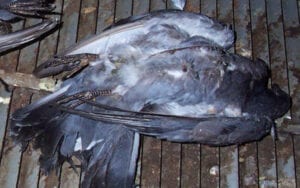
Found A Lost Racing Pigeon?

Found A Lost Racing Pigeon?

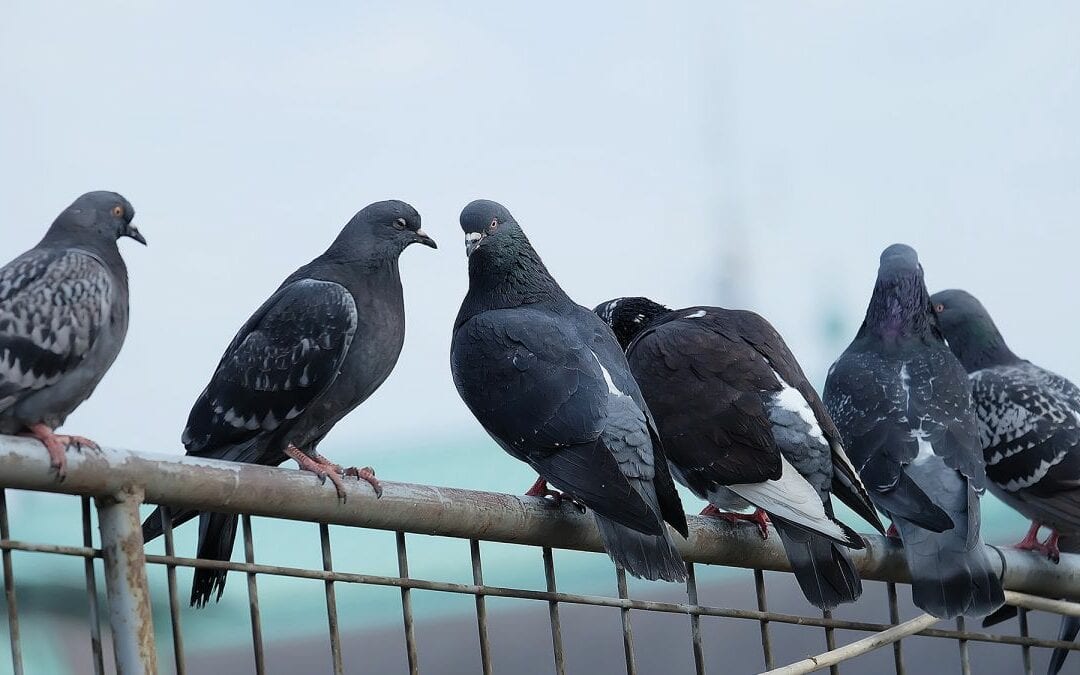
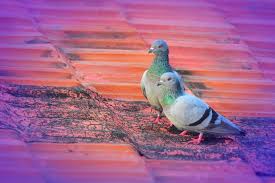
In any pigeon race there will be a number of competitors which lose their way and are unable to find their way back home and these are refered to as strays. There can be a number of reasons for this occuring with the most common being injury, fatigue, and adverse weather conditions. Sometimes strong winds can blow a race bird off its normal flight path and add considerably to the time and distance needed to make the trip home. This can lead to fatigue and with pigeon races in Australia generally being between 100 and 1000 kilometres it is understandable that they sometimes need to stop for a rest. Unfortunately a tired racing pigeon makes easy prey for many animals, those stopping in a backyard can encounter pet cats and dogs while those stopping in rural areas can encounter foxes. Birds of prey are the major cause of injury to racing pigeons, although collisions with unseen power lines can also cause serious injuries.
So what should you do if you find a lost race bird?
1/ Firstly give it a drink of water.
2/ Something to eat. Racing pigeons (unlike feral pigeons) only eat grain. A bird seed mixture of any type available from supermarkets will be quite suitable. Racing Pigeons generally will not eat bread or other scraps.
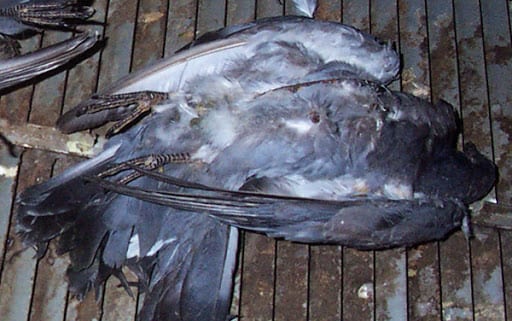
3/ Check the pigeon for injuries. Often physical injuries will be quite obvious but be sure to check under the wings as these can often hide serious wounds.
4/ Rest. After food, water, and a couple of days rest, a racing pigeon can be released and will in many cases have recovered sufficiently to complete its journey home.
5/ My pigeon keeps coming back, what should I do? Even after rest and food, there can be internal injuries that can prevent a bird from continuing its way home. If this happens check the birds legs. If it is a racing pigeon it will have at least one band or ring on its leg. One of these rings will be hard and plastic coated and will carry information which will allow you to find the birds owner. Quite often the ring will have the name of the town the pigeon has originated from and the phone number of someone in that area for you to contact. Before phoning the contact number on the ring make sure you make a note of the other information on the ring. This other information will include a series of letters, a year, and a number for example VHA 2010 1234. In this case the VHA would stand for Victorian Homing Association, 2010 is the year the pigeon was born, and 1234 is the pigeons identification number.
6/ If your ring does not have a phone number on it then check this list of contacts for someone in your area
http://www.anpa.com.au/found-a-lost-pigeon/
7/ If your pigeon does not have a ring on its leg then it is not a racing pigeon. It may be someones pet or a feral pigeon.

Pigeon Patrol Products & Services is the leading manufacturer and distributor of bird deterrent (control) products in Canada. Pigeon Patrol products have solved pest bird problems in industrial, commercial, and residential settings since 2000, by using safe and humane bird deterrents with only bird and animal friendly solutions. At Pigeon Patrol, we manufacture and offer a variety of bird deterrents, ranging from Ultra-flex Bird Spikes with UV protection, Bird Netting, 4-S Bird Gel and the best Ultrasonic and audible sound devices on the market today.

Voted Best Canadian wholesaler for Bird Deterrent products ten years in a row.

Contact us at 1- 877– 4– NO-BIRD, (604) 585-9279 or visit our website at www.pigeonpatrol.ca

Pigeon/Pigeon Patrol / Pigeons Roosting / Vancouver Pigeon Control /Bird Spikes / Bird Control / Bird Deterrent / Pigeon Deterrent?  Surrey Pigeon Control / Pest /Seagull deterrent / Vancouver Pigeon Blog / Birds Inside Home / Pigeons in the cities / Ice Pigeons/ What to do about pigeons/ sparrows , Damage by Sparrows, How To Keep Raccoons Away,  Why Are Raccoons Considered Pests/ De-fence / Pigeon Nesting/ Bird Droppings / Pigeon Dropping/ woodpecker control/ Professional Bird Control Company/ Keep The Birds Away/ Birds/rats/ seagull/pigeon/woodpecker/ dove/sparrow/pidgeon control/pidgeon problem/ pidgeon control/flying rats/ pigeon Problems/ bird netting/bird gel/bird spray/bird nails/ bird guard

What is Squab?

What is Squab?

What Is Squab?

squab are young pigeons that have never flown. For thousands of years, they have been a favorite meal for every stratum of society throughout the world. They were unequivocally the first domesticated poultry, even preceding chicken.
This may surprise twenty-first-century Americans. More often we think of pigeons as annoying denizens of city monuments and buildings. In fact, these are rock doves, a relative of pigeons, and far less edible. Yet squab is considered a most exquisite ingredient in cuisines as distinct as Cantonese, Moroccan, and French. The simple reason for squab’s universal appeal is the delicate, succulent flesh, truly unlike that of any other bird. Squab is a dark-meat bird, like duck and goose, yet the meat is not nearly as fibrous, rendering it far more tender. Its flavor, when properly cooked, is a lush, rich essence, reminiscent of sautéed foie gras, albeit with more texture.

History of Eating Squab

Historically, squab was a reliable and inexpensive source of animal protein. Documents detailing aristocratic banquets frequently show squab used in one or several important courses. B’stilla, a splendid Moroccan phyllo-crusted pie that is sweet, salty, crispy, and juicy at the same time, is traditionally made with squab. It dates from around the 15th century when the Moors were kicked out of Andalusia and migrated to North Africa. Huge molded timbales of pasta, and molded domes of rice made with squab and rich accompaniments, were fashionable 16th and 17th-century Italian culinary showpieces.
Early on, wide circular structures with tapered tops, or dovecotes, were built in fields to attract wild pigeons to roost. Numerous cubbyholes lined the interior, accommodating several breeding pairs. Adult birds forage independently and, being monogamous, return every evening to the same roost throughout their adult life. Other than constructing the residence facility, the squab farmer was required to do little or no maintenance except to harvest the young squab. Using a ladder, one simply plucked them from the nest.

Farming Squab

In the United States, squab are raised primarily in central California and South Carolina. The birds weigh about 1 pound each. Large covered pens are used for up to a dozen breeding pairs. They are capable of producing up to 24 offspring a year. Parents share in all activities required to raise the squab. They build their nest together, incubate the eggs, and feed the young. The male participates willingly as long as the female accommodates him sexually on demand. When she refuses, he pecks her in the middle of the head. As a result, farmers can separate the sexes far more easily than might otherwise be the case.
They just look for the bald birds, which are females.
Sorting young squab from mature pigeons is also an easy activity. The farmer gathers his squab in a crate. When the crate is opened and shaken vigorously, any birds that fly away are not squab but adult pigeons.
No one farms squab to make a fortune. The birds’ notorious sensitivity prevents using modern poultry techniques, like those employed in the factory farming of chickens, to produce enormous flocks at minimal costs. They respond poorly to artificial insemination and inferior-quality feeds laced with animal by-products.
Farm-raised pigeons must have the same food year-round. Their nesting cubbies must never be disturbed. For this reason, the cost of squab, which has remained constant for decades, is expensive relative to mass-marketed chickens. It’s a whole lot of bother to raise good squab. But these succulent birds make a feast fit for a king.

Pigeon Patrol Products & Services is the leading manufacturer and distributor of bird deterrent (control) products in Canada. Pigeon Patrol products have solved pest bird problems in industrial, commercial, and residential settings since 2000, by using safe and humane bird deterrents with only bird and animal friendly solutions. At Pigeon Patrol, we manufacture and offer a variety of bird deterrents, ranging from Ultra-flex Bird Spikes with UV protection, Bird Netting, 4-S Bird Gel and the best Ultrasonic and audible sound devices on the market today.

Voted Best Canadian wholesaler for Bird Deterrent products ten years in a row.

Contact us at 1- 877– 4– NO-BIRD, (604) 585-9279 or visit our website at www.pigeonpatrol.ca

Pigeon/Pigeon Patrol / Pigeons Roosting / Vancouver Pigeon Control /Bird Spikes / Bird Control / Bird Deterrent / Pigeon Deterrent?  Surrey Pigeon Control / Pest /Seagull deterrent / Vancouver Pigeon Blog / Birds Inside Home / Pigeons in the cities / Ice Pigeons/ What to do about pigeons/ sparrows , Damage by Sparrows, How To Keep Raccoons Away,  Why Are Raccoons Considered Pests/ De-fence / Pigeon Nesting/ Bird Droppings / Pigeon Dropping/ woodpecker control/ Professional Bird Control Company/ Keep The Birds Away/ Birds/rats/ seagull/pigeon/woodpecker/ dove/sparrow/pidgeon control/pidgeon problem/ pidgeon control/flying rats/ pigeon Problems/ bird netting/bird gel/bird spray/bird nails/ bird guard

Birds & Pools

Birds & Pools

Many types of birds are attracted to swimming pools. As a result, swimmers might come in contact with bird droppings (poop) while in the pool. If you find bird droppings in the pool, there are a few simple steps you can take to disinfect the water and keep birds away from the pool.
Can bird droppings in the pool spread germs to swimmers?
Many germs that might be found in bird droppings can infect humans. Duck and goose droppings, in particular, might contain germs such as E. coliSalmonellaCampylobacter, or Cryptosporidium (“Crypto” for short).
Most germs in bird droppings are killed by chlorine within minutes in a well-maintained pool.
The germ Crypto, however, has a tough outer shell that allows it to survive for a long time in the environment. Crypto can survive for days even in properly chlorinated pools. Currently, CDC is not aware of any evidence of Crypto being spread directly from birds to humans.
What should I do if I find bird droppings in the pool?
Pool operators and owners should respond to finding bird droppings in the pool the same way they would respond to finding formed human feces (poop) in the pool. The Healthy Swimming Program’s Fecal Incident Response Recommendations Cdc-pdf[PDF – 4 pages] provide step-by-step guidance on how to properly decontaminate the water in these situations.
Follow these steps to remove bird droppings and disinfect the water:
  • Close the pool to swimmers.
  • Put on disposable gloves.
  • Remove the bird droppings using a net or bucket. Do not vacuum the droppings from the pool.
  • Clean off any debris or dirt from the item used to remove the bird droppings.
  • Disinfect the item used to remove the droppings by immersing it in the pool during the 30-minute disinfection time described below.
  • Remove and dispose of gloves.
  • Wash your hands thoroughly with soap and water immediately.
  • Raise the free chlorine concentration to, or maintain it at, 2 parts per million (ppm); maintain the pH level at 7.5 or less; keep the temperature at 77°F (25°C) or higher. The free chlorine and pH should remain at these levels for 30 minutes.
  • Confirm that the filtration system is operating properly.
How can I keep birds away from the pool area?
The following steps can help encourage birds, other than ducks and geese (more information on ducks and geese is provided below), to leave the swimming pool area:
  • Remove plants that produce edible nuts, fruits, and berries.
  • Remove bird feeders.
  • Trim or remove trees and shrubs to limit branches hanging around or over the pool that can be used by roosting birds.
How can I keep ducks and geese away from the pool area?
Do not feed ducks or geese; providing food attracts them and encourages them to return. Many types of ducks and geese eat grass, so reducing the area of grass lawns around the swimming pool or putting up barriers that prohibit movement between swimming pools and grass lawns, such as fences and hedges, might also help. Removing domestic ducks and geese from the pool area can also help decrease the likelihood that wild ducks and geese will be attracted to the area.
The U.S. Department of Agriculture has additional information on how to manage ducks and geese (also known as waterfowl) in their document Assistance with Waterfowl Damage. Cdc-pdf[PDF – 3 pages]External
What can I do to get rid of ducks and geese already in the pool area?
In the United States, most birds, including ducks and geese, are protected by the Federal Migratory Bird Treaty Act and state laws. Local laws might also apply. Therefore, legal options for dealing with birds are limited and may require a permit. Consult the U.S. Fish and Wildlife ServicesExternal and your state wildlife agencyExternal for more information.

Pigeon Patrol Products & Services is the leading manufacturer and distributor of bird deterrent (control) products in Canada. Pigeon Patrol products have solved pest bird problems in industrial, commercial, and residential settings since 2000, by using safe and humane bird deterrents with only bird and animal friendly solutions. At Pigeon Patrol, we manufacture and offer a variety of bird deterrents, ranging from Ultra-flex Bird Spikes with UV protection, Bird Netting, 4-S Bird Gel and the best Ultrasonic and audible sound devices on the market today.

Voted Best Canadian wholesaler for Bird Deterrent products ten years in a row.

Contact us at 1- 877– 4– NO-BIRD, (604) 585-9279 or visit our website at www.pigeonpatrol.ca

Pigeon/Pigeon Patrol / Pigeons Roosting / Vancouver Pigeon Control /Bird Spikes / Bird Control / Bird Deterrent / Pigeon Deterrent?  Surrey Pigeon Control / Pest /Seagull deterrent / Vancouver Pigeon Blog / Birds Inside Home / Pigeons in the cities / Ice Pigeons/ What to do about pigeons/ sparrows , Damage by Sparrows, How To Keep Raccoons Away,  Why Are Raccoons Considered Pests/ De-fence / Pigeon Nesting/ Bird Droppings / Pigeon Dropping/ woodpecker control/ Professional Bird Control Company/ Keep The Birds Away/ Birds/rats/ seagull/pigeon/woodpecker/ dove/sparrow/pidgeon control/pidgeon problem/ pidgeon control/flying rats/ pigeon Problems/ bird netting/bird gel/bird spray/bird nails/ bird guard

Stop Aggressive Behavior in Pet Birds

Stop Aggressive Behavior in Pet Birds

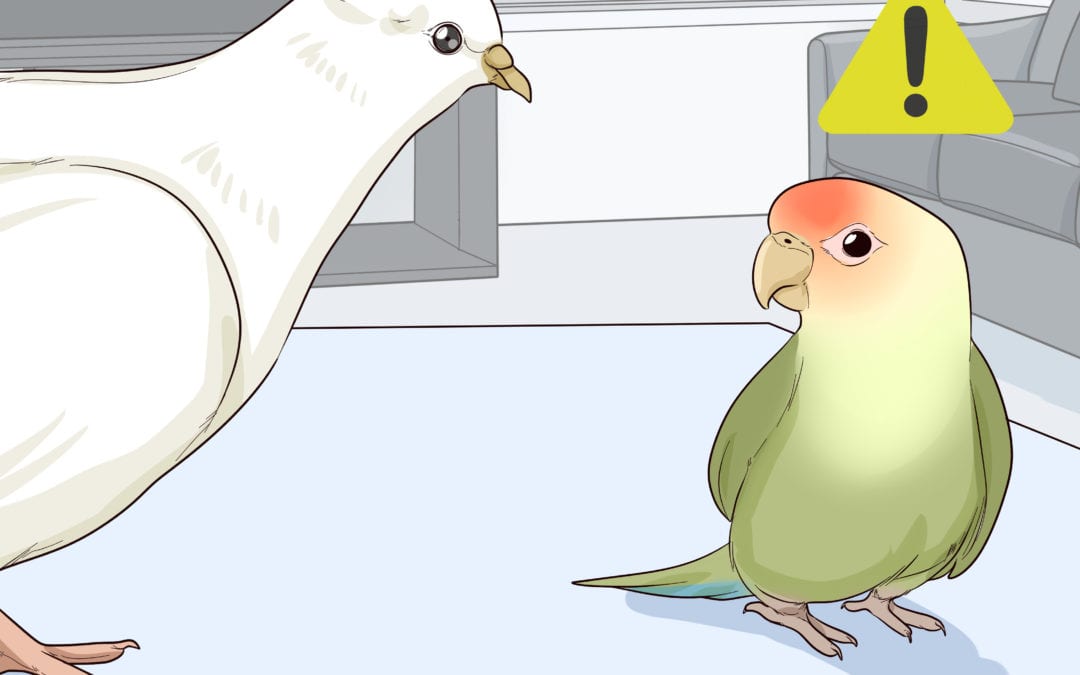
There’s no such thing as a mean bird. There are, however, birds that are fearful and those with emotional problems that cause them to want to avoid being handled. When one of these birds finds itself in a situation as a pet, it can be problematic for both bird and owner, possibly leading to bird aggression. Fortunately, you can train your bird to enjoy the time it spends with you.

Why Do Some Pet Birds Have Aggressive Behavior?

The most common causes of aggression in birds are fear or previous traumatic experiences. These can lead to handling problems, bites, and attacks when birds are interacting with their owners and others. Yet, birds are complex and any number of things can lead to aggressive behavior:

Fear often develops in pet birds that were not hand-fed when they were young.

  • A lack of proper socialization may lead a bird to be afraid of humans, other birds, or new experiences.
  • Some birds become jealous when their owner interacts with other people. This plays on the natural “pair bonding” instinct many bird species have and, in captivity, you may be seen as your bird’s partner.
  • If you adopted an older bird, it’s possible that it was mistreated or neglected in some way by its previous owner.
  • Some birds become aggressive during their adolescence due to hormone changes. This will typically pass once the bird gets through this stage.
  • Protecting their claimed territory, such as the birdcage or feeder, can lead to aggression.
  • Birds that are stressed or lack mental stimulation may also act out.

How to Stop Aggressive Behavior

If your pet bird bites you when you try to handle it, you must set aside time each day to work on handling your feathered friend. This doesn’t have to be anything specific; you can incorporate your attempts to reduce your bird’s aggression into normal handling. For instance, you might need to work on bonding with your bird or train it to enjoy petting. You can even teach it how to do fun bird tricks. The point is that the more you work with your bird, the more it will enjoy your company, and the less aggressive it will act.

When working with your pet, a few tips and techniques will help it to learn that handling is safe and fun.

Move to a Neutral Location

If possible, move your bird’s cage to a neutral location during training sessions. Removing a bird from its “territory” can sometimes make it more willing to cooperate with its owner and prevent any territorial aggression.

Don’t Force Contact

If your bird lunges at your fingers when you place your hand near it, try not to jerk away suddenly out of fear. Your swift movements will likely make your bird even more nervous and apprehensive.

Taking it slow and easy is the better method; don’t try to force contact. Try to leave it up to the bird to decide when it’s comfortable enough to step up or accept a treat.

Try Stick Training

Training a bird to step up on a stick or a perch is referred to as “stick training.” It’s the recommended alternative to training a bird that’s not able to be handled at first. It’s a less invasive approach and easier for a bird that is fearful or was traumatized in the past to accept this way of moving without force.

Avoid Yelling

Raising your voice in anger (or pain) will not make your bird understand that it has done something wrong. In fact, it’s more likely to reinforce your bird’s bad behavior as it will love getting such a big reaction out of you. Whatever happens, avoid the temptation to yell at or punish your bird.

Bear Gifts

Offer your bird treats and speak in a soothing voice when you’re trying to handle it. Using treats and praise will help your pet be more willing to interact with you and it’s much more effective than discipline. If every interaction with your bird results in a positive experience, it will likely become more comfortable and open to a closer relationship with you.

Many people try to force interaction in the hope that this will stop the bird from resisting and it will simply give in to being handled. This is referred to as “flooding” and it’s not recommended as a training technique.

Build Trust Through Repetition

With birds, repetition and consistency are keys to training. Make time to work with your bird at least once a day to ensure success. Keep in mind that it sometimes takes a while to build up trust with a bird, so don’t give up!

Don’t Overwork Your Bird

Initially, keep training sessions at a 15-minute maximum. Birds are intelligent and sensitive creatures, and they need to have some fun in order to maintain their mental health and keep from becoming stressed.

Break the Pair Bond

If your bird becomes jealous of your interactions with other people, you will need to enlist the help of family members and visitors. The goal is to better socialize your bird and show it that these people are not a threat to the relationship it has with you.

Try various confidence-building exercises with other people and stay nearby to show your approval. You might, for instance, have visitors offer your bird a treat whenever they enter the house. To reinforce good behavior, they should also praise the bird in a happy, upbeat voice while making eye contact.

Another exercise is to lay out your bird’s food on a towel in front of the bird and have your family pick at it with their fingers, just like a bird does with its beak. If you do this regularly, your bird may want to join in the fun. They can also help you clean the cage or give your bird food or water so it is comfortable with your family’s presence.

Keep a Flexible Routine

Birds need mental stimulation and many enjoy a routine, so regular time for food, play, and other interactions each day is a good idea. However, some birds may react negatively if a routine is too rigid and gets disrupted. source

For example, if you get home from work at a certain time each day and immediately let your bird out for playtime, being late one day could lead the bird to act out. Try to employ some flexibility in your daily routines that involve your bird. It will help the bird better tolerate change and understand that things won’t always happen in a particular order or at a certain time, but it will happen.
Get Professional Help

If you put in the necessary effort, chances are you will be able to train your pet in a reasonable amount of time. If your bird is so aggressive that you cannot attempt training exercises, the first thing you should do is visit your ​avian veterinarian to rule out any health concerns. When no physical reasons can explain your pet’s undesirable behavior, contact a certified parrot behavior consultant for an expert opinion on your situation.

& That is how you stop aggressive behavior in pet birds
About Pigeon Patrol:

Pigeon Patrol Products & Services is the leading manufacturer and distributor of bird deterrent (control) products in Canada. Pigeon Patrol products have solved pest bird problems in industrial, commercial, and residential settings since 2000, by using safe and humane bird deterrents with only bird and animal friendly solutions. At Pigeon Patrol, we manufacture and offer a variety of bird deterrents, ranging from Ultra-flex Bird Spikes with UV protection, Bird Netting, 4-S Gel and the best Ultrasonic and audible sound devices on the market today.

Contact us at 1- 877– 4– NO-BIRD, (604) 585-9279 or visit our website at www.pigeonpatrol.ca

Bird Gone, Pigeon Gone, Seagull Gone, Pigeon problems, 1-877-4NO-BIRD, 4-S Gel, Bird Control, Pigeon Control, bird repellent,, sonic bird repellent, stainless steel , bird spikes Vancouver, Ultra Sonic Bird Control, Bird Netting, stop aggressive pet birds Canada bird  deterrents, Pigeon Pests, B Gone Pigeon, Pigeon Patrol, pest controller, pest control operator, pest control technician, Pigeon Control Products, humane pigeon, pigeon deterrents, pigeon traps, Pigeon repellents, stop aggressive pet birds Sound & Laser Deterrents, wildlife control, raccoon, skunk, squirrel deterrent, De-Fence Spikes, Dragons Den, Canada bird spikes, Canada pigeon, pigeon control, pigeon patrol, pigeon. destroy pigeons, crow, starling, Pigeon Habitat, Pigeon identifications, pigeon myths, stop aggressive birds, stop aggressive pet birds