


Description
Our Woodpecker Deterrent Kit includes 4 products to help you deter these pests, depending on your situation:
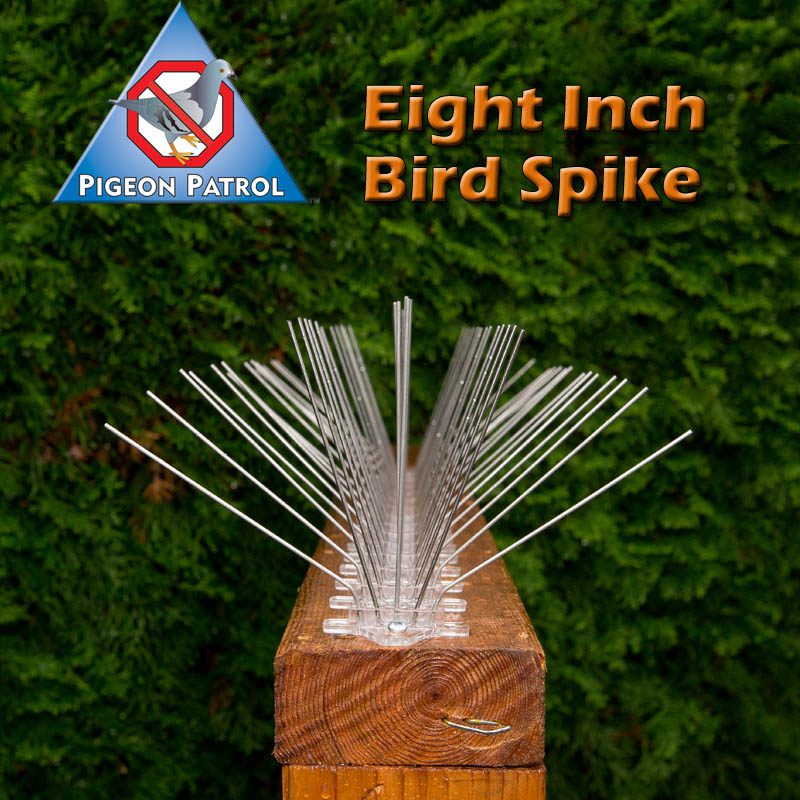
Stainless Steel Bird Spikes
Bird spikes deter woodpeckers and other birds from landing on large, open ledges, such as chimneys or rooftop peaks. Find out more: Bird Spikes
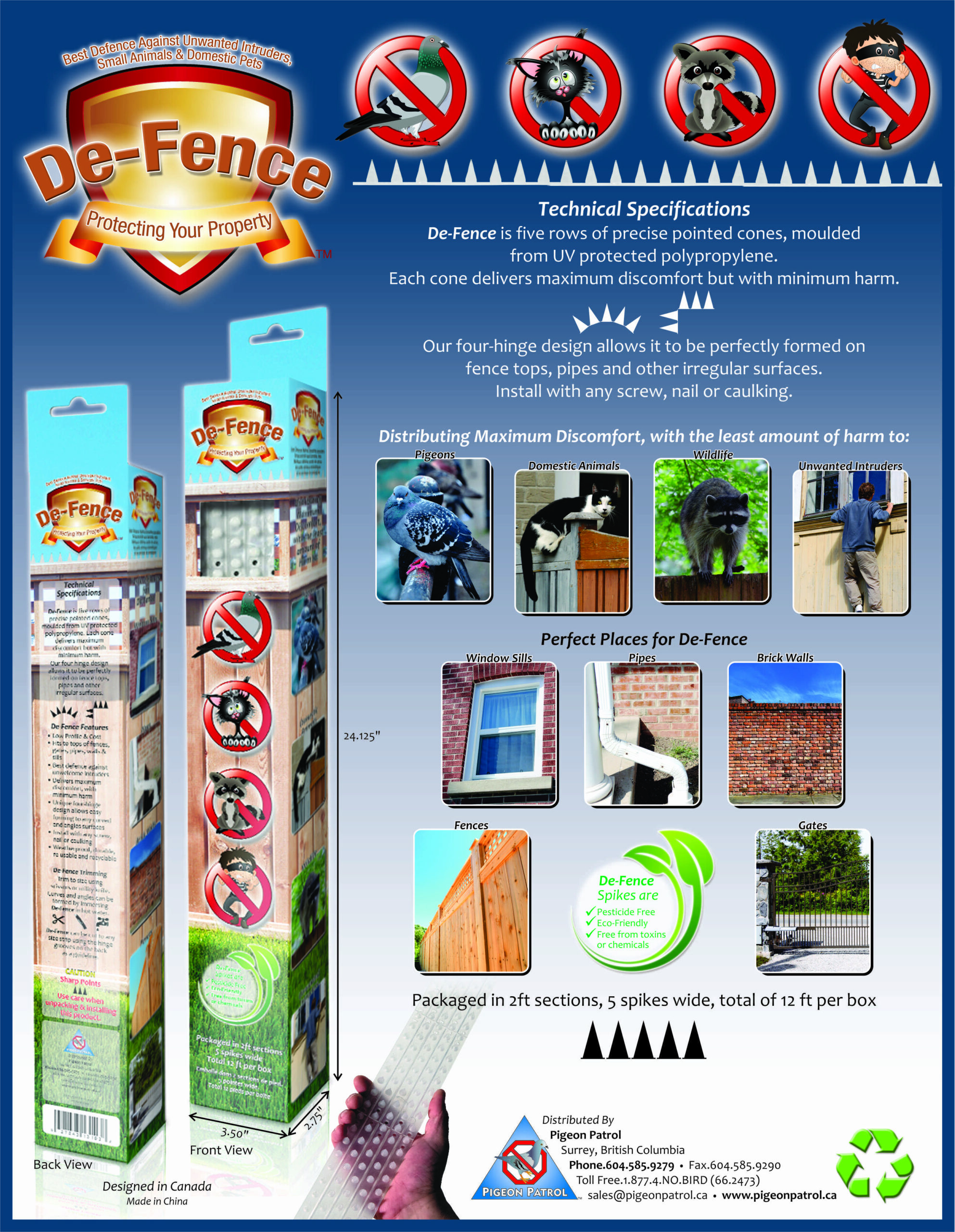
De-Fence Plastic Spikes
De-Fence spikes are most effective when used on smaller ledges, pipes, and other irregular surfaces woodpeckers may be landing. Find out more: De-Fence
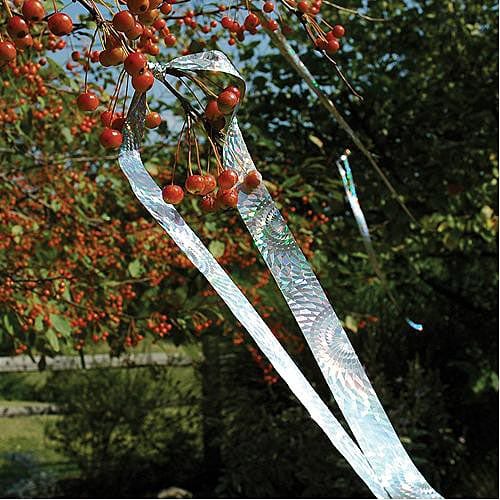
Flash Tape
Flash tape reflects light from the sun and scares birds away from open areas with “flashes” of light.
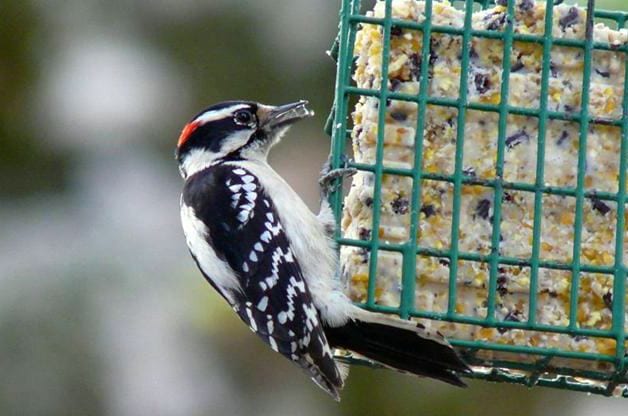
Suet Feeder w/Suet
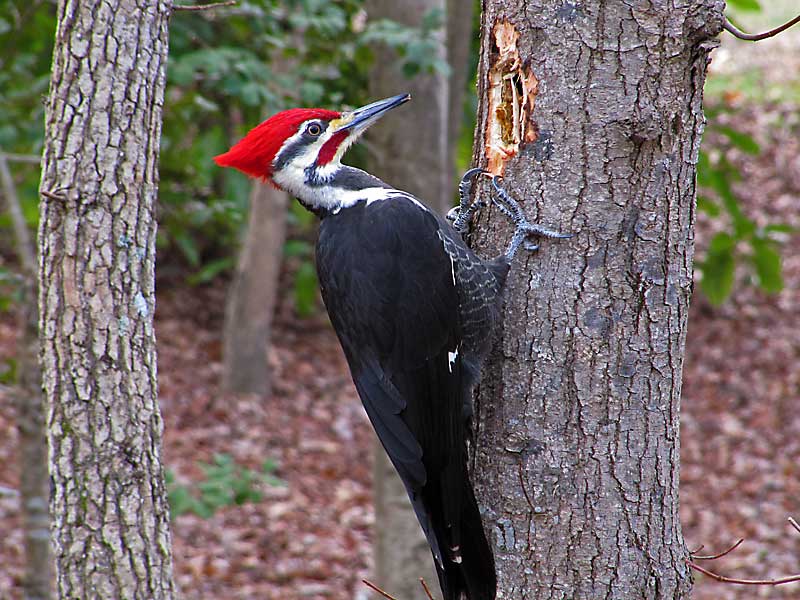
Many times, woodpeckers are simply looking for food and think they may find bugs by pecking out holes in siding, soffits, or roofs. A feeder can often discourage woodpeckers from pecking at a house, eliminating the damage they would otherwise cause. Additional methods: Homeowners have reported some success deterring woodpeckers with windsocks, pinwheels, helium balloons (shiny, bright Mylar balloons are especially effective), strips of aluminum foil, or reflective tape.
Why Woodpeckers Peck Houses
First, it helps to know why they’re doing it:
- Looking for insects inside the wood
- Territorial drumming (making noise to claim territory)
- Trying to create a nesting cavity
- Attracted to certain wood siding, cedar shakes, or trim
If food is the motivation, a suet station can be very effective.
Suet as a Distraction Strategy
How it Works
Suet is a high-energy fat food that woodpeckers love. By placing it in a more appealing location, you’re basically saying:
Best Setup Tips
- Placement
- Mount the suet feeder:
- 15–30 feet away from the damaged area
- On a tree, pole, or fence
- At a similar height to where the bird is pecking
If it’s too close to the house, the bird may just treat it as a bonus snack.
- Choose the Right Suet
Woodpeckers prefer:
- Plain suet
- Peanut or insect blend suet
- Avoid heavily sweet or fruit mixes
In colder climates like Vancouver winters, suet works especially well because birds need high-energy food.
- Use a Proper Feeder
- Wire suet cage is best
- Tail-prop style feeders work great for larger woodpeckers (like Northern Flickers or Pileated)
- Timing
Put the feeder up as soon as you notice the behavior.
If the bird has already started nesting or drumming for territory, you may need additional deterrents.
Combine with Gentle Deterrents (Best Results)
Suet works even better if the house becomes less attractive at the same time:
- Hang reflective tape or shiny objects near the pecking area
- Cover the spot temporarily with netting or hardware cloth
- Repair holes quickly (woodpeckers love existing cavities)
What to Expect
- Many woodpeckers switch within a few days to a week
- Some territorial drumming birds may continue briefly
- Once they adopt the feeder, damage usually stops
One Important Note
If the woodpecker is pecking for insects, you may want to:
- Check for carpenter ants or larvae
- Treat the underlying pest issue if present